
 Sigma
Sigma
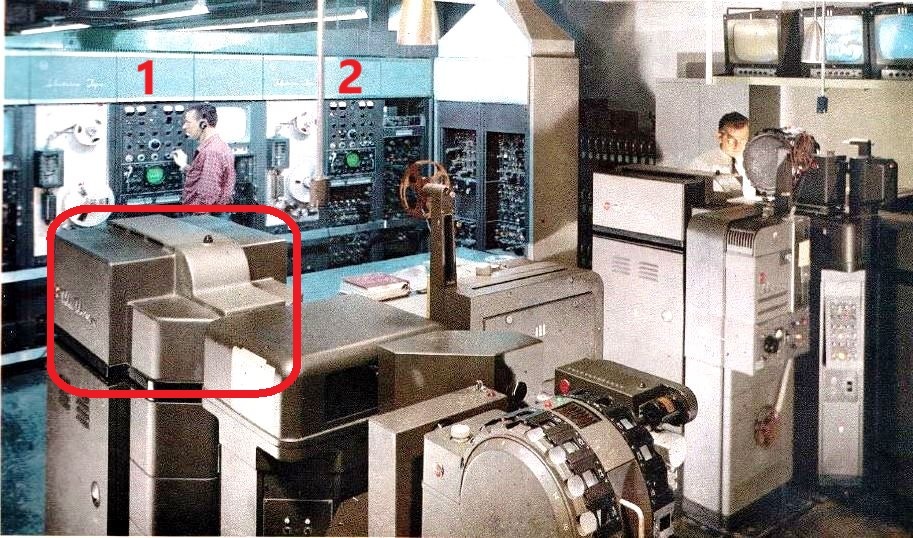
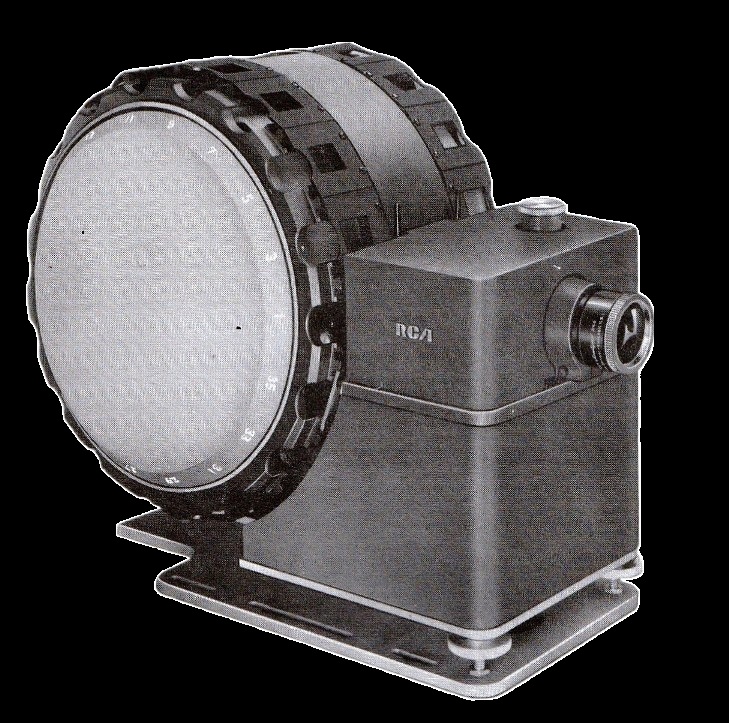
In the early '80s, if you were in the broadcast industry, you saw big changes in the equipment landscape. The dominant player for the last 30 years had been RCA. As I've said before, I had a boss early on in my career who would say, "If RCA doesn't make it, we don't need it." They were a soup‐to‐nuts vendor of high‐end broadcast equipment. What RCA once had, many since have tried to replicate.
In the late 70s, there were a number of new players from Japan. Out of this group, Sony emerged as the leader. Let's look at how Sony set the pace in its race against RCA and the others. Sony strategically targeted the low end of the equipment market. This was possible because cameras and VTRs had become "portable" in the late 70s. News departments found ways to use those low‐end tools. TV news departments were looking to ditch their film cameras. The cost of film consumed a good amount of the news budget. You could reuse videotape. Plus, they could use video cameras live.
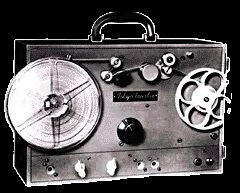
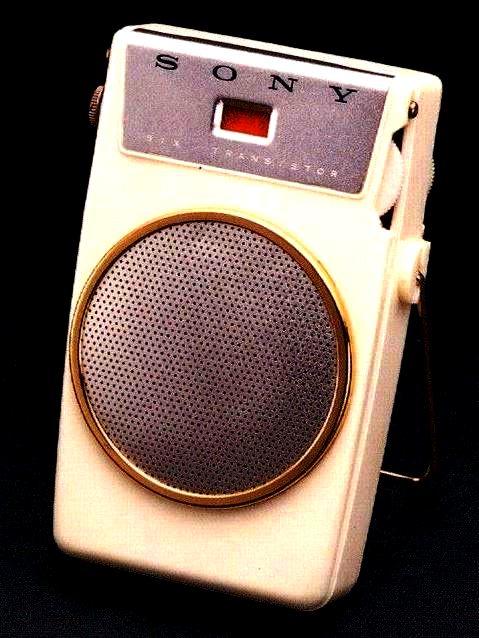
Sony's first successful product was an audio tape recorder for NHK. They did not sell many, but it made them an early master in the use of transistors. Sony started in 1946, spent a few years determining what it would sell. In the early 50s, it launched a line of transistor radios. That brought Sony to America.
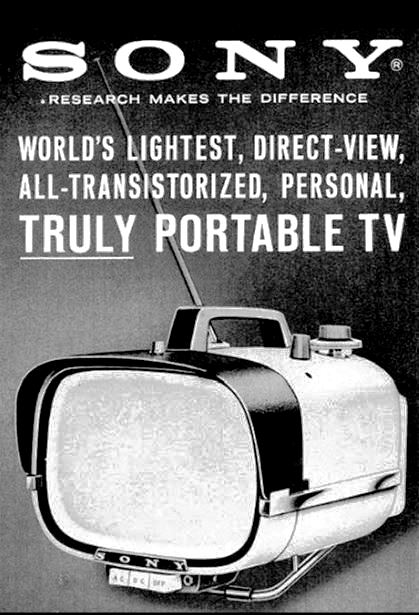
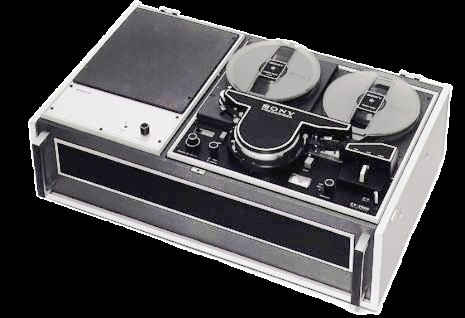
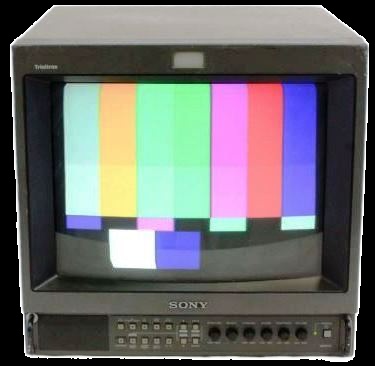
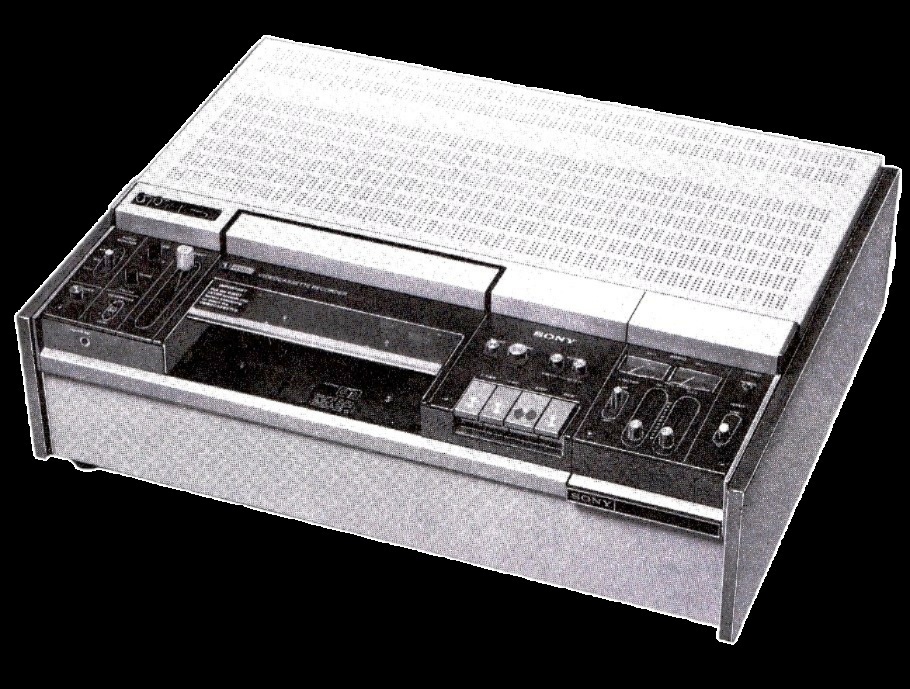
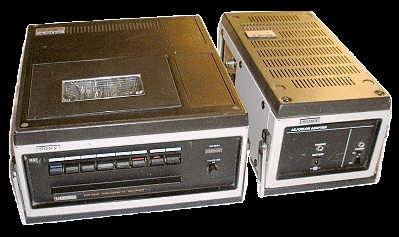
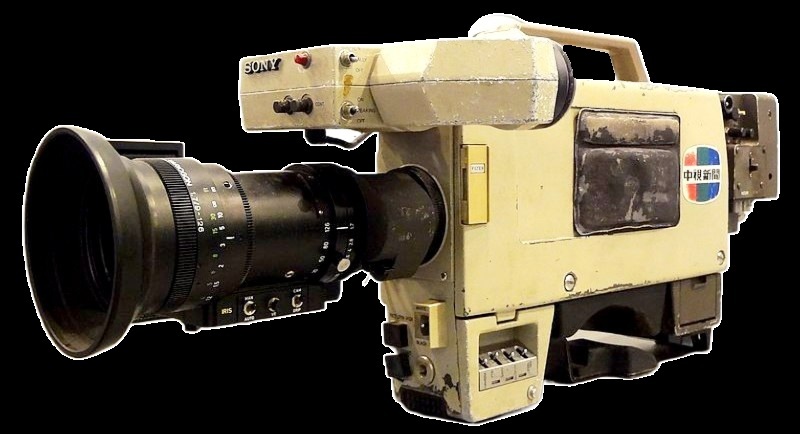
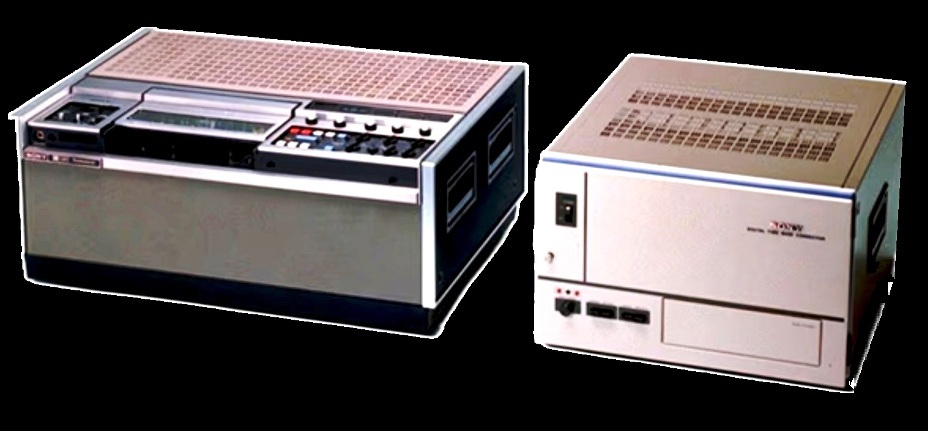
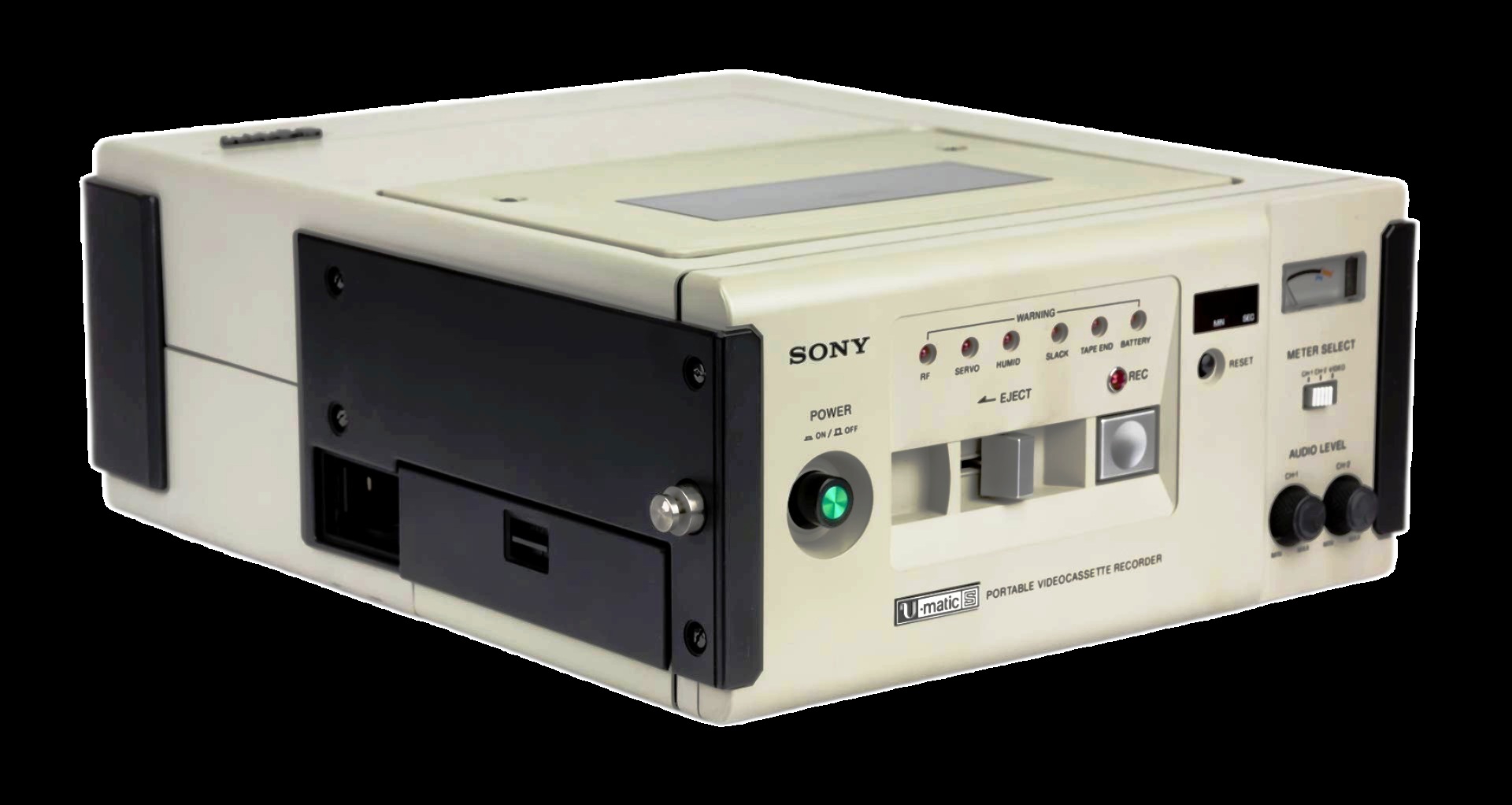

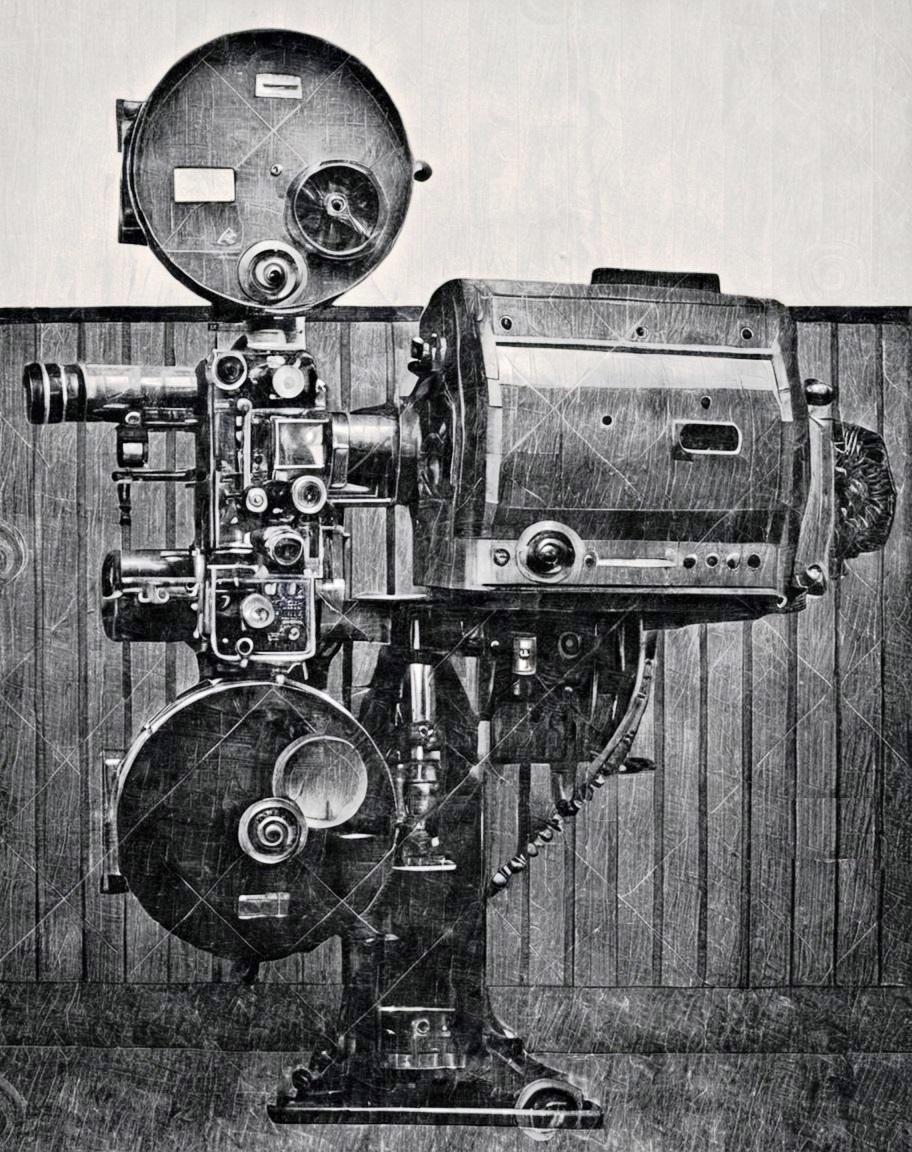
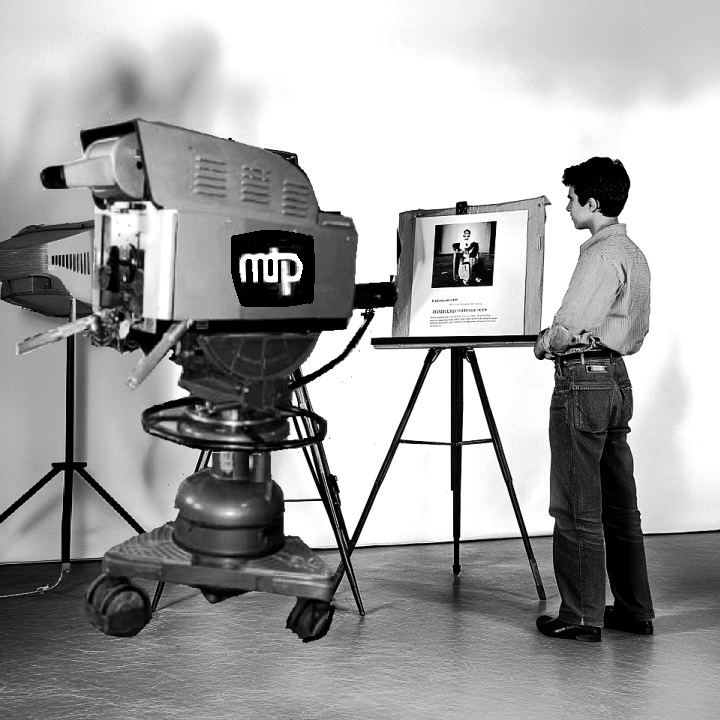
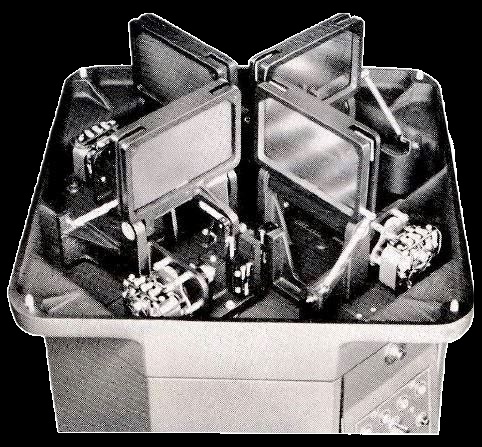
Sony now saw the potential that TV broadcasting presented. The TV folks used Sony's industrial gear. Then, Sony added tougher and more durable equipment. Sony's equipment was the go‐to gear for the majority of news departments. Now the company started to branch out.
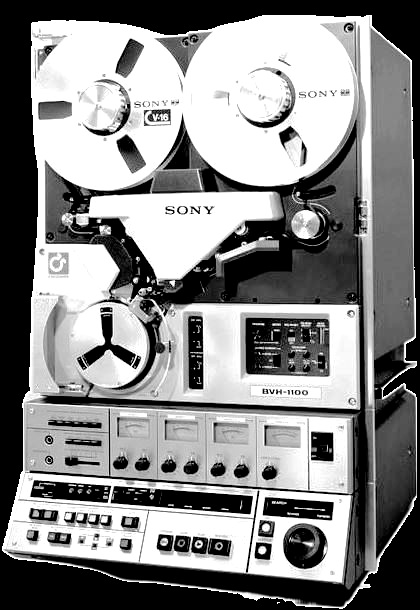
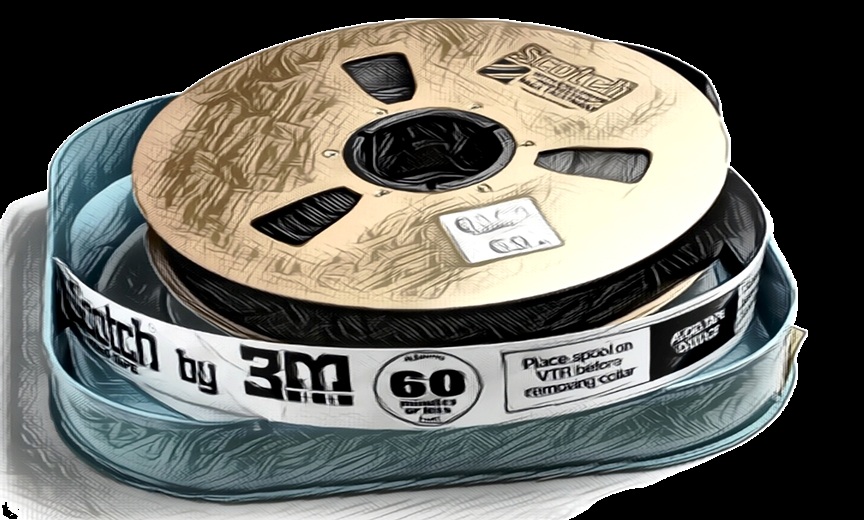
Sony made a big step up. In the late 70s, the top high‐end VTR changed. The two‐inch video tape recorder lost its title, and the new one‐inch VTR took over. In the old realm, RCA and Ampex were the clear leaders. All of a sudden, it was a race between Sony and Ampex. RCA wasn't even in the race. This important category of equipment made Sony a major player. Sony quickly entered many adjacent equipment categories.
The difference in development timelines between U.S. companies like RCA and Japanese companies like Sony during the 1980s had profound implications on their competitiveness, innovation, and market positions. These differences in development philosophy were rooted in contrasting approaches to product development, corporate culture, and business strategies, leading to significant outcomes for both sides.
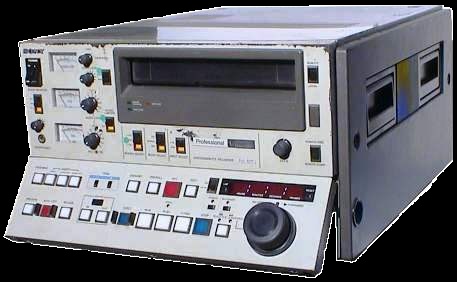
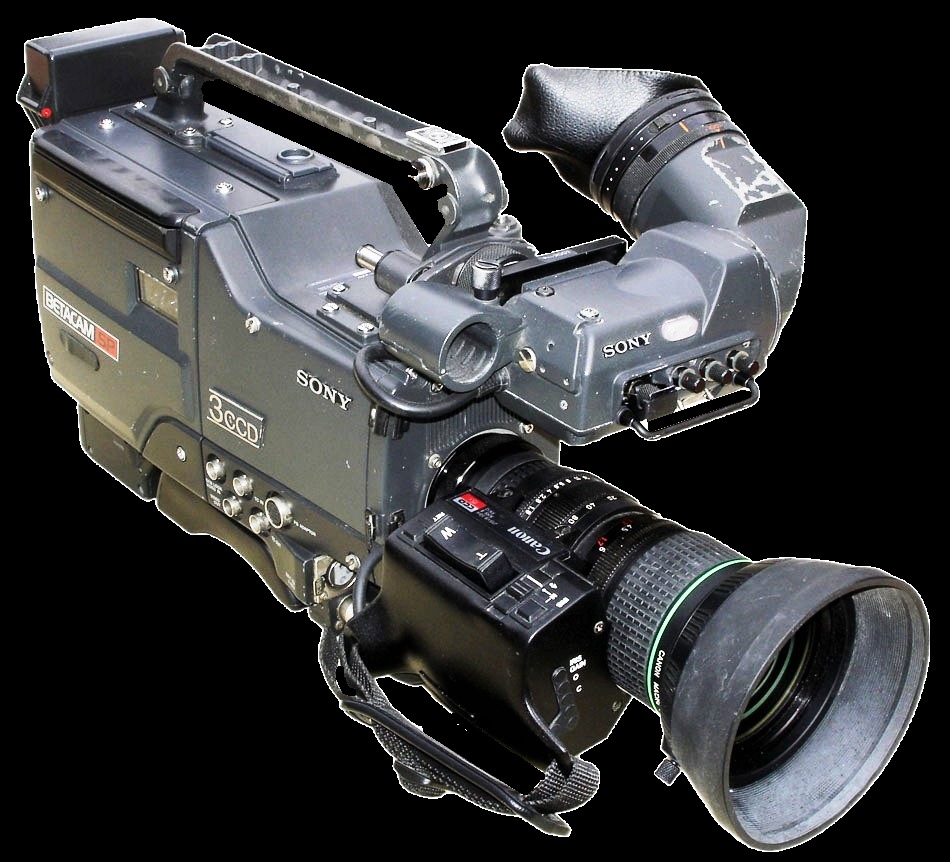
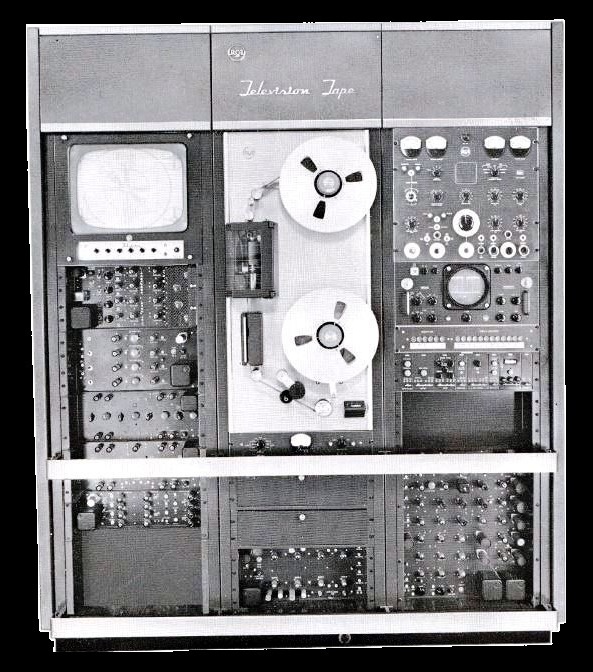
The U.S. Approach: RCA's Long Development Cycles (10+ Years). U.S. companies like RCA, which had once been industry giants in electronics, broadcasting, and consumer products, tended to have much longer development cycles, often ranging from 5 to 10 years or more. This approach was rooted in several factors.

U.S. companies like RCA often worked on large, complex, and expensive R&D projects that took years to develop. These projects tended to be focused on achieving breakthrough technologies rather than incremental improvements. The emphasis was often on creating "big" products (e.g., innovations in televisions, broadcast technology) that would dominate the market once they were released.
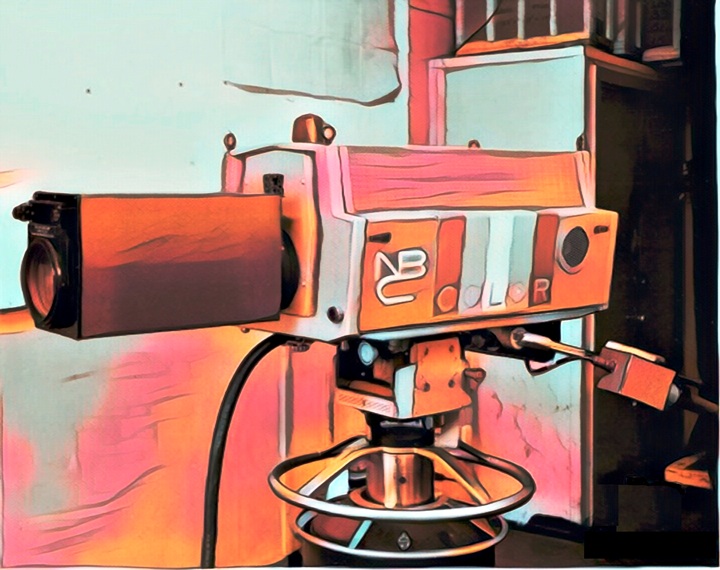
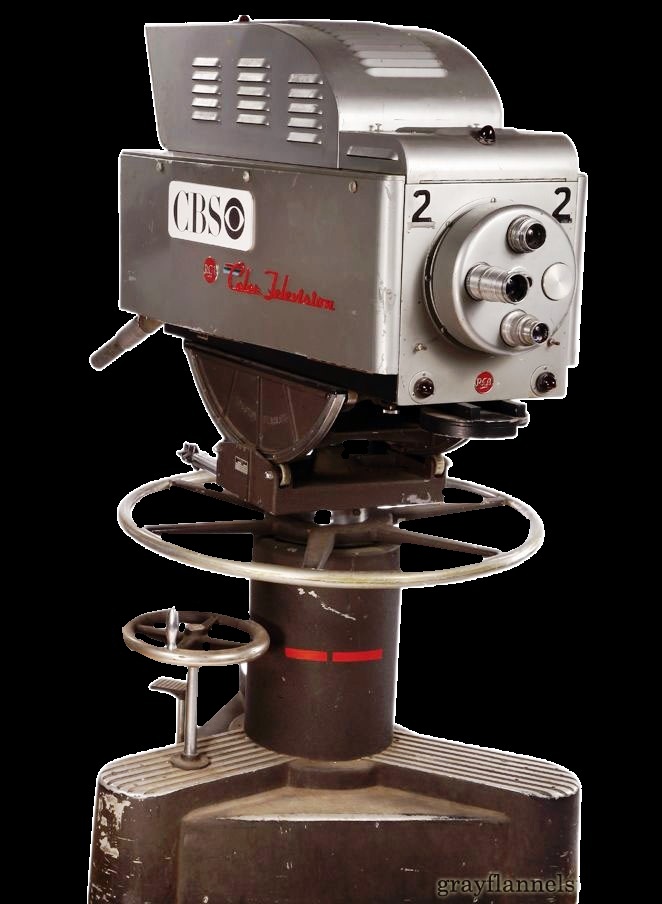
Top‐Down Innovation: The innovation process in these companies was often hierarchical and bureaucratic. Decisions were made at the top levels of management, and the development process tended to be slow and methodical. Product teams had to go through layers of approval and coordination, which could delay development.
Monolithic Product Development: U.S. companies often focused on creating all‐encompassing, monolithic products that could serve a broad range of needs. This long timeline allowed for the creation of complex systems that were expected to serve large, diverse markets.
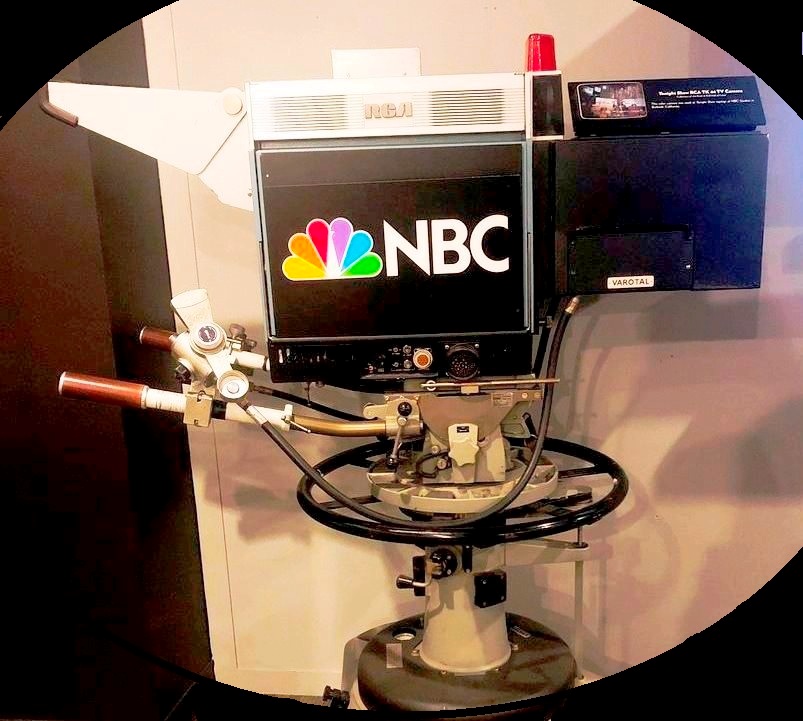

Corporate Structure and Culture: U.S. firms were more likely to operate in a traditional corporate structure with slower decision‐making processes. This culture often led to a conservative approach to risk, innovation, and speed. New product lines or technologies were more heavily scrutinized before moving into production.

Sony's Shorter Development Cycles (18 Months). In contrast, Japanese companies like Sony embraced much shorter development timelines, often completing new product designs and bringing them to market within 18 months. This approach stemmed from different strategic priorities and philosophies.
Japanese companies excelled at rapid iteration and incremental innovation. Instead of aiming for a big, breakthrough product that would take years to develop, they focused on continuously improving existing products and introducing more frequent, smaller updates. This allowed them to keep up with changing market demands and technological advances without falling behind.
Japanese firms embraced lean manufacturing and a culture of continuous improvement (kaizen). They streamlined their development processes to remove inefficiencies, reduce costs, and speed up time to market. This meant products could be developed in a fraction of the time compared to their U.S. counterparts.
They have a Customer‐Centric Focus. Japanese companies like Sony were extremely attuned to consumer needs and trends. Their ability to quickly develop and launch products allowed them to be more responsive to changes in consumer preferences. They focused on creating products that were highly tailored to the desires of the target market, rather than relying on a slow‐moving, top‐down approach. This is not to say that Sony listened to individual customers. Their genius was capturing the zeitgeists of the market and being quick to react.
The differing approaches of U.S. and Japanese companies during the 80s had profound effects on their market positions and industry influence.
With the ability to develop new products in 18 months or less, Japanese companies like Sony were able to outpace U.S. companies in terms of product introductions. They could capitalize on emerging trends faster, often beating U.S. companies to market with the latest innovations.
I often saw that when large U.S.‐made equipment arrived, like VTRs, studio cameras, and video switchers, a field engineer was needed to set it up and make it work. Generally, though, once in service the U.S. gear tended to run several years without a lot of problems.
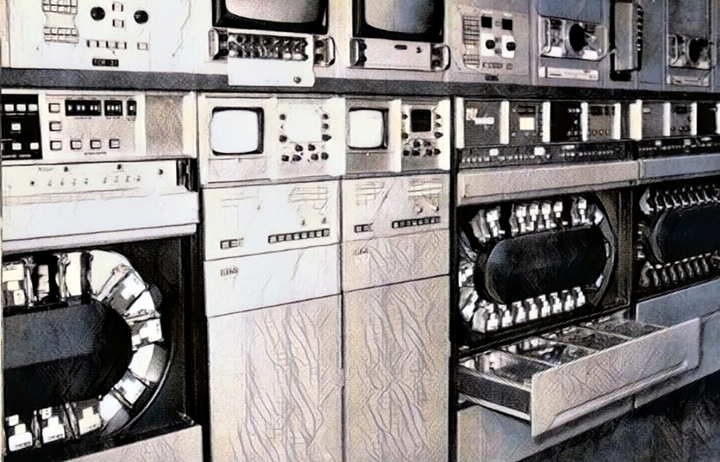
Japanese gear would arrive and usually work right out of the box. It would work well for a few years. Then, the precession machined parts and other mechanical parts would start needing replacing. These machine parts were typically expensive due to their precise manufacturing.
The industry got used to replacing gear every few years instead of every 10‐15 years. As the equipment got smaller, it was harder to charge as much, so prices dropped. The U.S. labor market was being priced out. Up until the 70s, studio cameras and VTRs had very similar price tags. Often around $100K each!
Another factor affecting equipment pricing was technology. R&D innovations often moved from high‐end broadcast equipment to the consumer market. In the 90s, things began to change. Technology used in mass‐produced consumer gear started to be applied at the high‐end. This shift greatly reduced costs.
U.S. Companies Struggled to Keep Up: U.S. companies like RCA, with their longer product development cycles, often found themselves behind the curve in terms of consumer electronics trends. While they focused on large, complex systems, Japanese companies quickly introduced more affordable, user‐friendly, and feature‐packed products. This made it harder for U.S. firms to compete effectively in the global market, especially in the consumer electronics space where speed and flexibility were key.
Loss of Market Share for U.S. Companies: As Japanese companies like Sony, Panasonic, and Toshiba became more efficient at product development and more responsive to consumer demands, U.S. companies saw their market share erode. For instance, in the television and audio markets, Sony and other Japanese manufacturers consistently delivered high‐quality, cutting‐edge products faster than RCA and other U.S. brands, contributing to the decline of American dominance in consumer electronics.
Shift in Corporate Mindsets: Over time, the success of the Japanese model influenced U.S. companies. Many American firms began adopting leaner, faster product development processes in an attempt to regain lost ground. However, by the time these changes occurred, many of the once‐dominant American companies had already lost significant market share to their Japanese competitors.
Emerging Role of Branding and Design: Japanese companies excelled at creating strong, globally recognized brands. Sony, in particular, became synonymous with innovation and quality, and its ability to move quickly and create products with appealing designs helped it win consumer loyalty. In contrast, U.S. companies like RCA and GE struggled with brand identity and failed to develop the same level of consumer appeal.
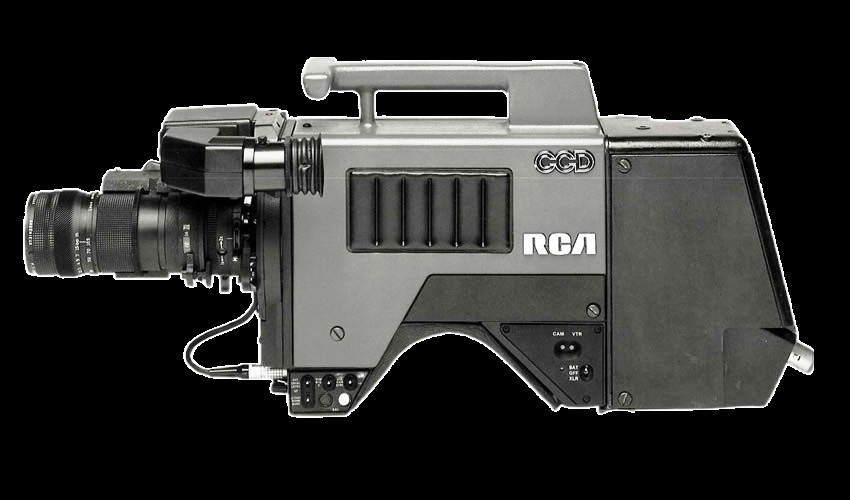
The fundamental difference between the U.S. and Japanese approaches during this period can be summarized as a philosophical divide. The U.S. Philosophy was to focus on long‐term, large‐scale product development with a belief in the value of breakthrough, one‐time innovations. U.S. companies were more risk‐averse and focused on creating comprehensive, long‐lasting systems that would dominate the market once they were launched.
While the Japanese philosophy was the focus on speed, responsiveness, and incremental improvements. Japanese companies aimed to be flexible and adaptive, creating products that could quickly capture consumer interest, while continuously refining their offerings.
In the long run, the shorter development cycles of Japanese companies like Sony proved to be more aligned with the rapidly changing consumer electronics landscape, where new trends and technologies emerged quickly. Meanwhile, U.S. companies that clung to slower, more cumbersome development processes found themselves at a disadvantage, unable to keep up with the pace of innovation required to remain competitive in the global market.
By the 1990s, the rapid pace of innovation in Japan had reshaped global consumer electronics, and U.S. companies were forced to re‐evaluate their strategies. The lesson was clear, speed and agility in product development were critical in the fast‐evolving world of consumer technology.

When General Electric (GE) acquired RCA (Radio Corporation of America) in 1986, the move was part of GE's broader strategy to diversify its portfolio and expand into new markets. However, GE's specific motivations for acquiring RCA were multi‐faceted and aligned with both short‐term goals and long‐term ambitions.
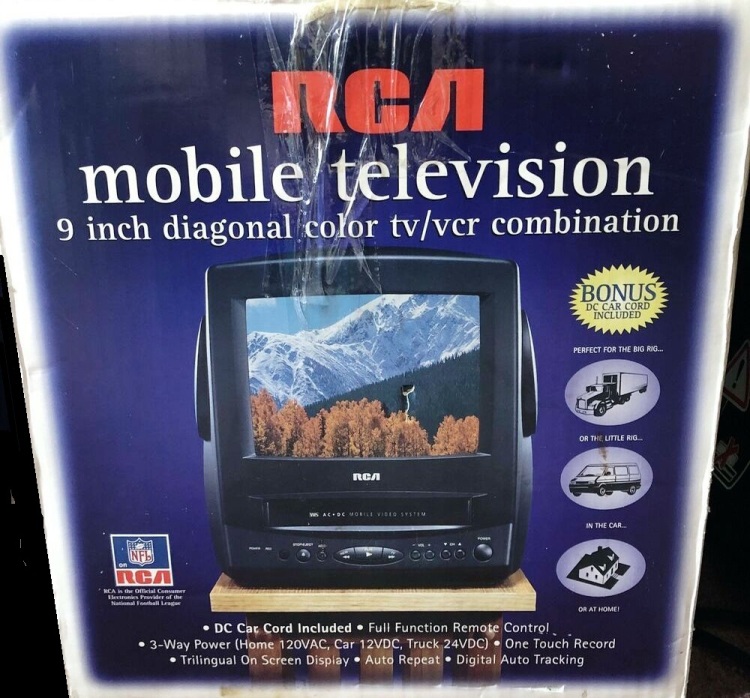
GE wanted access to RCA's Consumer Electronics Business. RCA was a major player in the consumer electronics market, particularly in television and radio. GE was interested in tapping into this market to expand its reach into consumer products. RCA's brand had a strong presence in households, and by acquiring it, GE was able to leverage this existing market footprint.
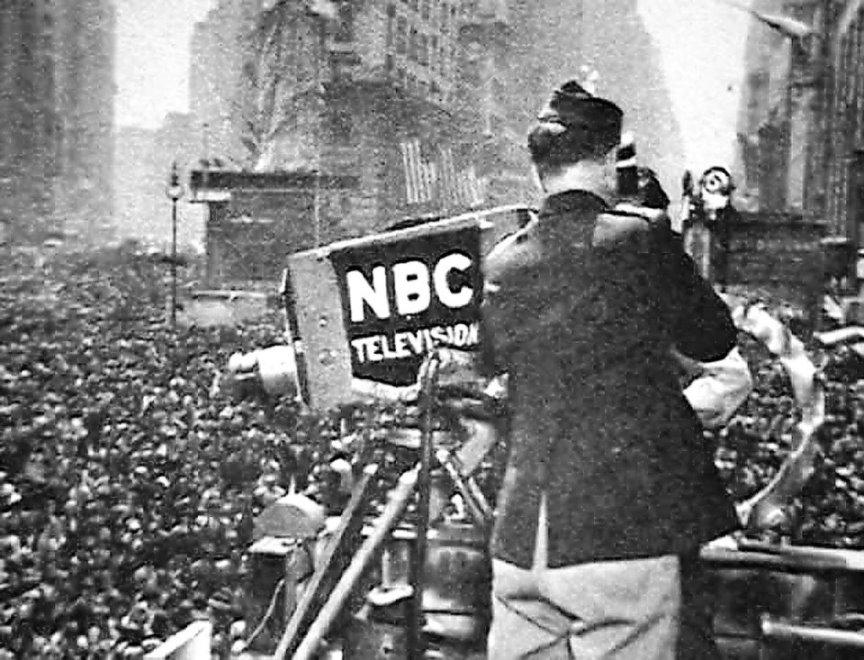
RCA owned NBC (National Broadcasting Corporation. This was particularly appealing to GE, as it gave them a significant stake in the media industry. GE was interested in integrating media with their other business sectors, believing that the convergence of entertainment, news, and information would be a lucrative market in the future.
GE had a long history of making home appliances and industrial goods, and with the acquisition of RCA, which was a dominant player in the television industry, aligned with GE's strategy to strengthen its position in consumer electronics.
At the time of the acquisition, RCA was known for its innovations in electronics, broadcasting, and technology. GE, which had already been involved in a wide range of technological fields such as electrical engineering, aerospace, and power generation, saw RCA's technological assets as a way to bolster their own capabilities.
GE was also interested in RCA's R&D operations, particularly its work in satellite communications, semiconductors, and electronics. This acquisition allowed GE to integrate RCA's advanced research facilities into their own operations, strengthening their position in high‐tech sectors like communications and electronics.
But RCA's was in decline. In the years leading up to the acquisition, RCA had been struggling financially. The company faced tough competition in its core markets of consumer electronics, broadcasting, and television manufacturing. RCA's attempt to innovate and remain competitive had resulted in financial losses, and its once‐dominant position was starting to erode. GE saw an opportunity to acquire RCA at a time when it could restructure the company and extract value from its assets.
After a while GE's ownership of RCA became a liability. RCA's consumer electronics business was gradually sold off, and the company's remaining focus shifted more toward broadcasting (NBC), which became a key asset for GE.
In 2011, GE decided to sell 51% of NBCUniversal to Comcast. In 2013, GE divested its remaining 49% stake in NBCUniversal to Comcast, giving Comcast complete ownership. This marked a shift in GE's strategy away from media and entertainment and back toward its industrial roots, focusing on technology, healthcare, and infrastructure.
The acquisition of RCA by General Electric was a strategic move to diversify into media, electronics, and telecommunications. At the time GE saw the value in RCA's established brand, broadcasting assets, technological innovations, and market presence. By acquiring RCA, GE not only gained a foothold in the burgeoning media and telecommunications industries but also strengthened its technological and R&D capabilities. Over time, however, GE refocused its efforts and eventually divested its media assets, signaling a shift back to its core industrial businesses. The RCA acquisition played a significant role in GE's diversification strategy, even as the company later adjusted its focus based on changing market dynamics.
Today RCA primarily exists as a brand name leased out to others.
See who has tried to become the next RCA.