
This begins a series of stories about an iconic company in the television broadcast industry that took the name of a town and eventually left, taking the name with it. If you are an American Football fan you might recall the story of the Cleveland Browns. In 1996, the owner of the team announced the team was moving to Baltimore. Eventually, the town fought and won the right to keep the Browns' name, while the team left town and took the name of the "Ravens." In this story the company took the name of the town with them and has currently settled in a place where 99% of the folks have no idea of the company's original reason for having the name that it does.
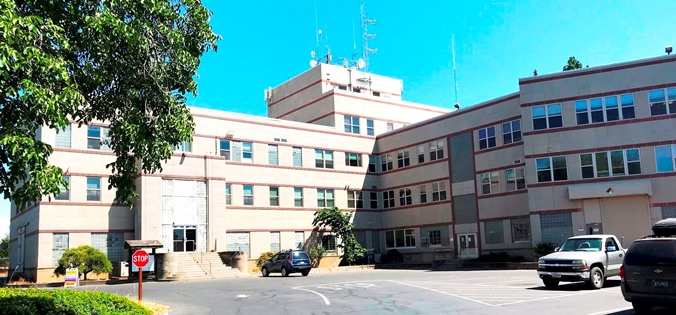
In this series of articles, we will try to answer the question that there's a small town in northern California, and if you work in the technical or production areas of the television industry anywhere in the world, you know the name of the town. You probably wouldn't know it as a place, but as a vendor of high‐end television production equipment. The building below represents what was the last vestige of the Grass Valley Company in the town of Grass Valley, or the area.
For a while, the Grass Valley Company and nearby startups created the biggest hub for high‐end video manufacturing in the world. Once, this area had the highest per capita population in the industry!
This is a place today that still has almost two dozen companies that compete in the industry.
The building happens to sit on a hill that is riddled with mine shafts. The whole area is infested with these now‐abandoned shafts. Gold is what the town of Grass Valley, along with the adjacent town of Nevada City, grew up on.
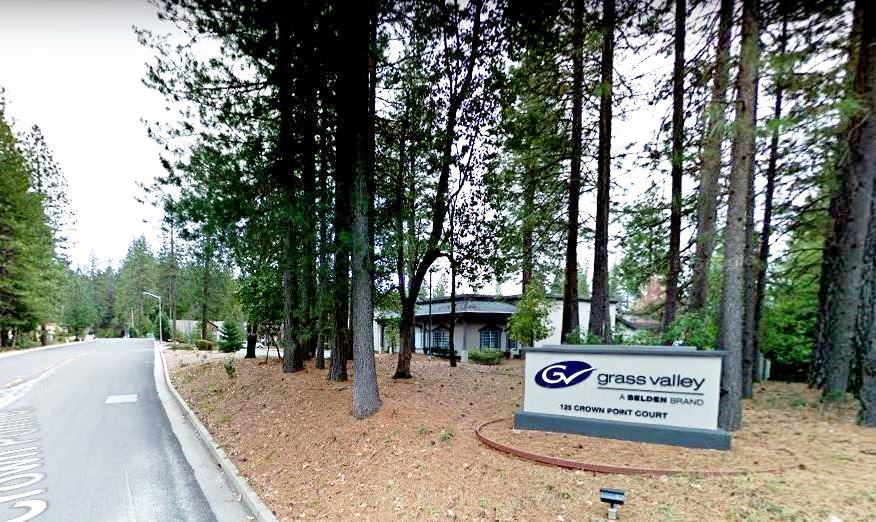
As we will see, the mine shafts that are hidden deep below this building were owned by a man who would inadvertently set into motion a series of events that would cause the germination of that cluster of high‐tech endeavors that prevented the towns from becoming a backwater after the gold mining ceased. The secondary industry, lumber, was also in decline by the 1950s.
The towns, which still today sit two dozen miles from the nearest interstate, would be stops for people on their way to somewhere else if not for a few unlikely events. While the town's shops and bed and breakfast establishments would be quaint, and its art colony probably still thriving, the towns would not have played a part on the worldwide stage as they have, and to a slightly lesser level, still do today.
It took gold, not because electronics use the material, but because the owner of a local mine laid the seed for all that followed. As said, these mines litter the area, ranging from extremely large ones to holes in the ground. All because a mine owner, who happened to own the very mine that this building sits atop, was convinced that the area needed a new "modern" hospital. The building of that hospital, never used as a hospital, a casualty of WWII, started a cascade of events that turned the mining and lumber town into a mini high‐tech mecca.
The second thread to the story started down in the Bay Area. What became a very large defense contractor and an early founding entity in what became Silicon Valley was founded by a Stanford alumnus who decided to escape the area. He decamped and took a small sapling from this company and planted it in Grass Valley. Why there? Because of what the mine owner had begun.
That entrepreneur enticed another Stanford alumnus of the same cloth to join him up in the Sierra foothills. This second Stanford alumnus formed a company that allowed a mini "Fairchild effect," like the one that happened in Silicon Valley, to be replicated in Grass Valley. A high‐tech ecosystem sprung up in the area. One early result was the first gaming cartridge console from Atari. The R&D was done in Grass Valley.
The original company that "started it all" in the area, to quote a Fairchild Semiconductor boast from the 70s regarding Silicon Valley, has been bought and sold six times, so far.
For the first few years of its life, the "Group" as they proudly referred to themselves, cast about for a reason to exist. The company that started "video valley" as some have called it, the Grass Valley Group knew nothing of video when they arrived in town. The small company had come to the area from the east. Grass Valley Group, or GVG, to this day, is still referred to as the Group by many old‐timers, even though the Group was dropped from the name long ago. The Group very well could have had Stanford or even Fresno before the word Group.
Then an ally with an ABC‐owned San Francisco TV station suggested that if they made some refinements to a video distribution amp, ubiquitous in television stations, they might be able to compete against the likes of the then giants RCA and GE, among others. Some thought that idea preposterous, but in short order they produced their first model. From then on, when opportunity sprang up, the group was able to respond quickly to each new avenue presented to them.
Their big early benefactor, ABC, the third in a three‐way network universe at the time, wasn't able to get a piece of equipment they needed for an upcoming large event and turned to the Group in desperation. The network asked the Group if they could produce a "Proc Amp." Dr. Hare, the Group's founder, president, and chief engineer's first response was, "What the hell is a proc amp?" Within 10 days, they had a working prototype that was even in a case. That was the Group's way early on. Respond quickly to opportunity. As the story will show, years on, the company did not always keep that in sight.
From the products that were rudimentary processing equipment used by television broadcasters, the group produced more exotic and complex systems that moved the company up the professional television broadcasting food chain. They pushed product lines that the industry leaders of the day had pioneered and developed for twenty years, and soon the entrenched players followed Grass Valley's lead in innovation.
The Group became the dominant player in video production switchers. These are devices that allow all the layers of graphics, effects, and a myriad of sources to be integrated into a complex mosaic of video. Oh yeah, this is all done in real time while the newscast, sporting event, or entertainment show is happening.
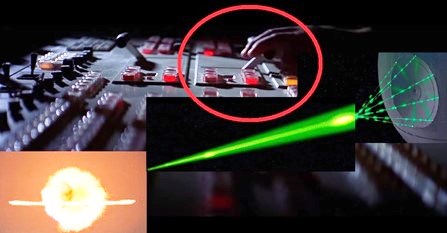
By the mid 1970's the Group had enough of the high‐end video market that one of the props used to destroy Princess Leia's home planet of "Alderaan" in the first Star Wars film was a video 'fader bar' on a Grass Valley 1600 video production switcher. This was the second generation of video switcher production equipment developed by the Group. The Group is still a dominant player in this market.
 For over six decades, television's technical and production bigwigs made the trek to this town to collaborate with the technical gurus that had congregated here. The Group effected the world, and the world effected the Group. They were on the stage with the mighty and powerful.
They were pushed around by the likes of George Soros. They cooperated with and then competed against Sony. In some ways, Sony and the Group were kindred spirits, in that both started out not knowing what to produce, with forceful founders and the early embrace of semiconductors. Both made large marks on the arenas they played in.
The Group was the sturdy Oak for many years, that only grafted a spin‐off once, but dropped acorns all around it, and the lone tree became a stand of trees.
As we will see, many improbable things had to happen for the Group and other high‐techs that sprung up around it to have occurred. We mentioned two dozen miles from the nearest interstate, how about 60 miles from the nearest commercial airport.
Maybe the most improbable thing we will see in this story is that the Grass Valley name, as a company, still exists. As mentioned, the company had been sold and spun off a half dozen times, and it now has DNA from almost three dozen companies! At times it was only a division of companies many times its size. Through the various ownership changes it was merged with other "best of breed" companies. Yet it is the Grass Valley brand that is still standing. Maybe a bit nicked, as its logically historical green GV logo is now magenta.
The ravages of being a trading card passed around were an issue. New managements took the company global, reaching new outposts. Now, the old launch pad sits empty, holding only traces of past missions.
Operationally, GV is no longer even a U.S. concern; it is Canadian. So, riddle me this: Why would an international company, with over a thousand employees take the name of a small town in northern California? Again, we will look at how the name managed to survive.
At one time, the Group was the largest employer in the area, employing about 1400. Today only a few dozen in the area still get paychecks from GV. The fortunes of business caused a lot of this. But the way the high‐tech world works has changed and that has not only affected equipment vendors like GV, but their customers also.
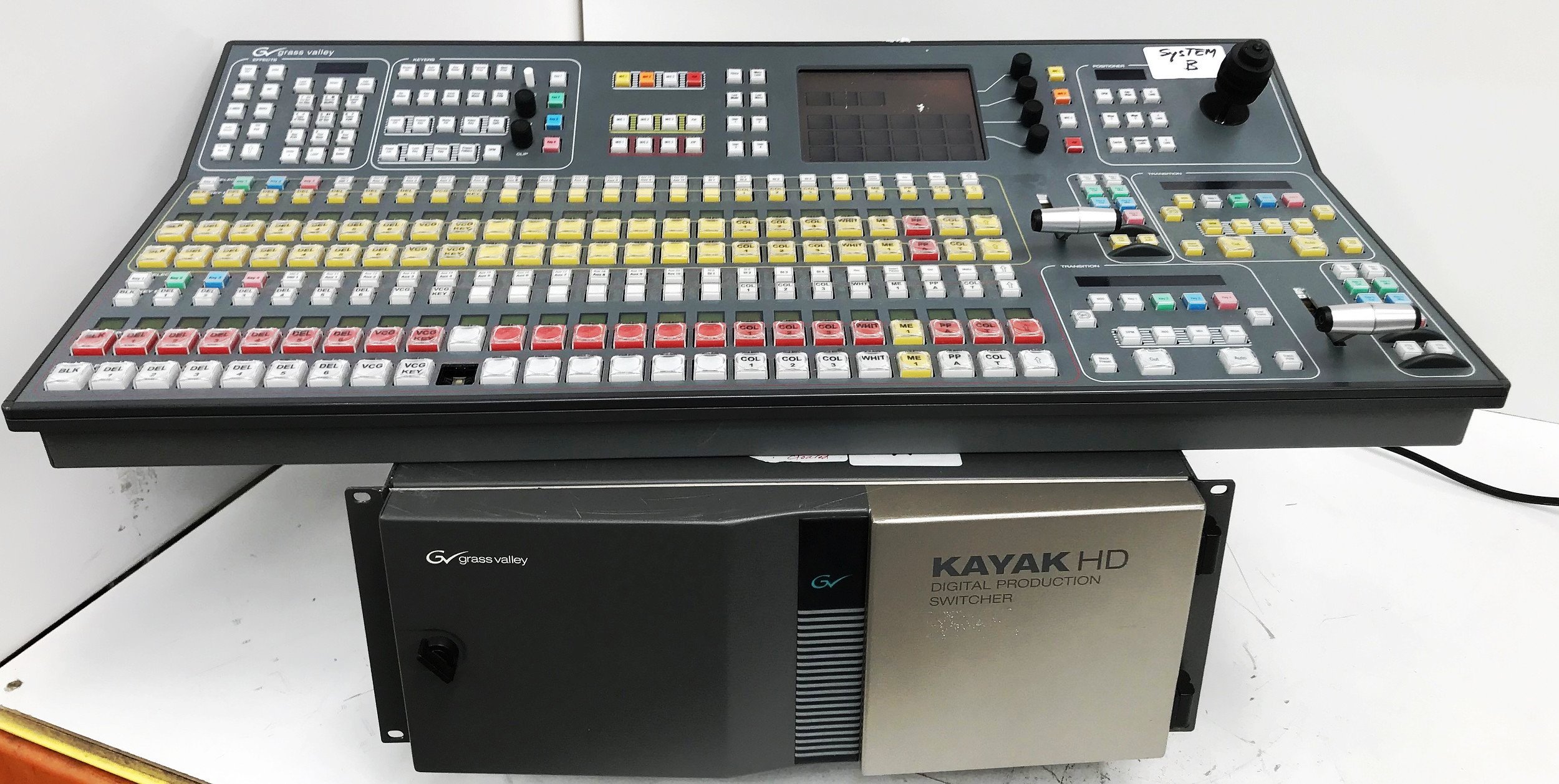
Used to be the production crew had to be co‐located at the venue or place that the televised event was occurring. Today, not so much. Internet connectivity and ever‐increasing computing horsepower have seen to that. The video production switcher, of which the Group is still a dominant player, no longer needs to be co‐located with the electronics that support it.
The evolution of this new way of "doing things" has affected this industry greatly. When the Group first started making switchers, the control panel and the electronics it controlled were connected by several fat cables with lots of conductors. In the 90s the connection was over Ethernet.

The pandemic put the march down this path on steroids. It has induced great change in the Grass Valley Company, particularly as the stage has been set, finally, to not only use the cloud for connectivity, but now to use software, and firmware to replace the switcher's electronic frame. This is called SaaS (Software as a Service). We will look more in depth at this in other articles.
Why was the word "finally" used in the last paragraph? Because, as we will see, to eliminate hardware and base the majority of processing on software was tried multiple times by the Group in the past. But SaaS as we will see, is a two‐edged sword. Computer processing has reached the point where "off‐the‐shelf" boxes, that is, computers, can now sit in large server centers with wide connectivity to the world and via software, and in some cases a little hardware thrown in, can mimic what racks of specialized hardware used to do.
What's so bad about that? Well, if you are a vendor of video and audio production hardware, a lot as we will see.
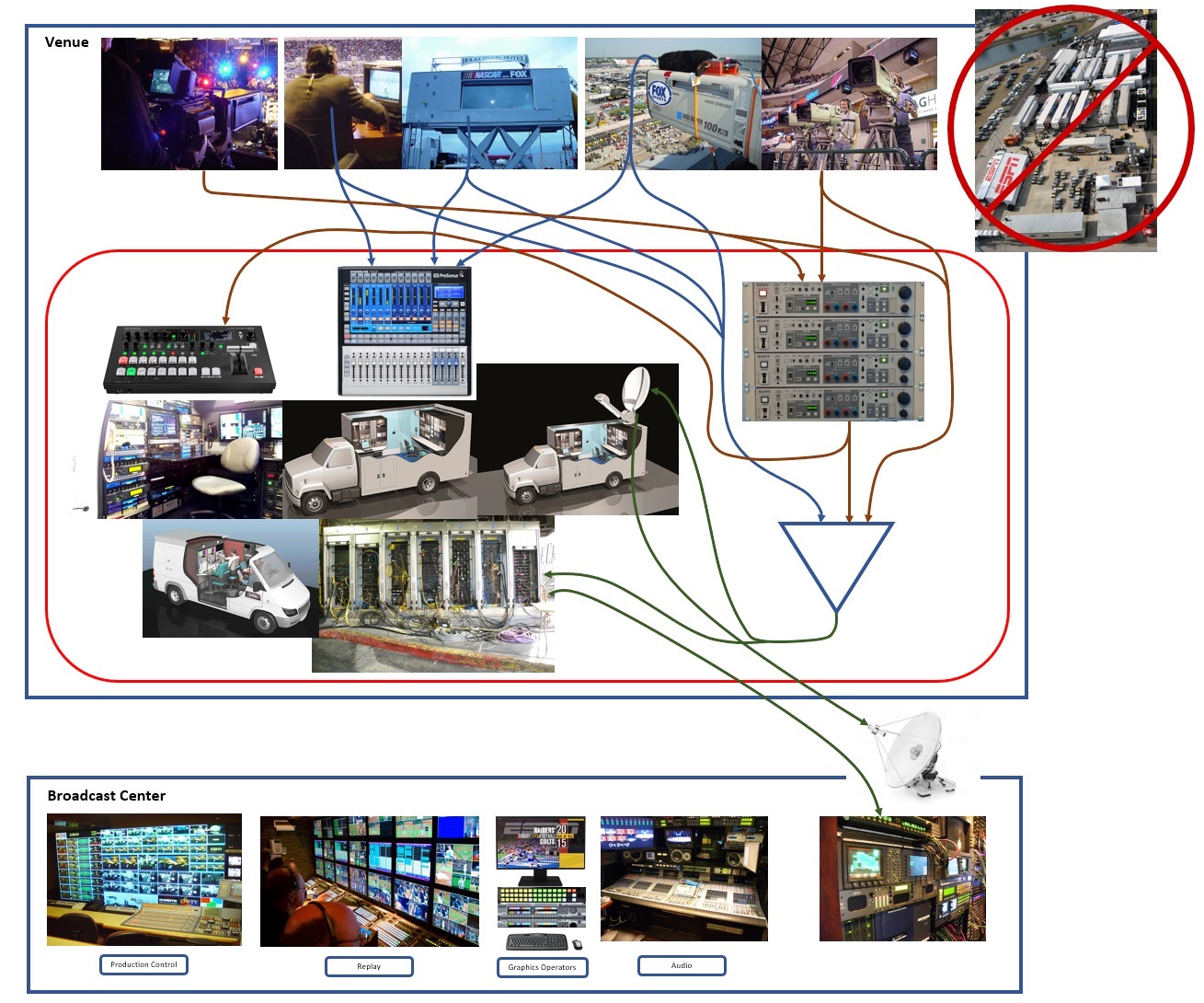
The remote production (or Outside Broadcast as most the world likes to use) industry has been moving towards SaaS for quite a while. It started with the implementation of what the industry calls REMI, or REMote Integration model of video production. Above is a graphical depiction of it. The goal was to only have on location what needed to be on location, and to get that back to a central production facility and combine the audio and video sources into a single, or even multiple programs, as is the case with the Olympics.
The incentive was not to need the large production truck compounds like the picture in the upper right for the Masters golf tournament. The idea was to shrink that down to a single small "transmission" truck that gathered all the sources, or sources that had some pre‐mixing, and send then back (back‐haul) either over the web or via satellite.
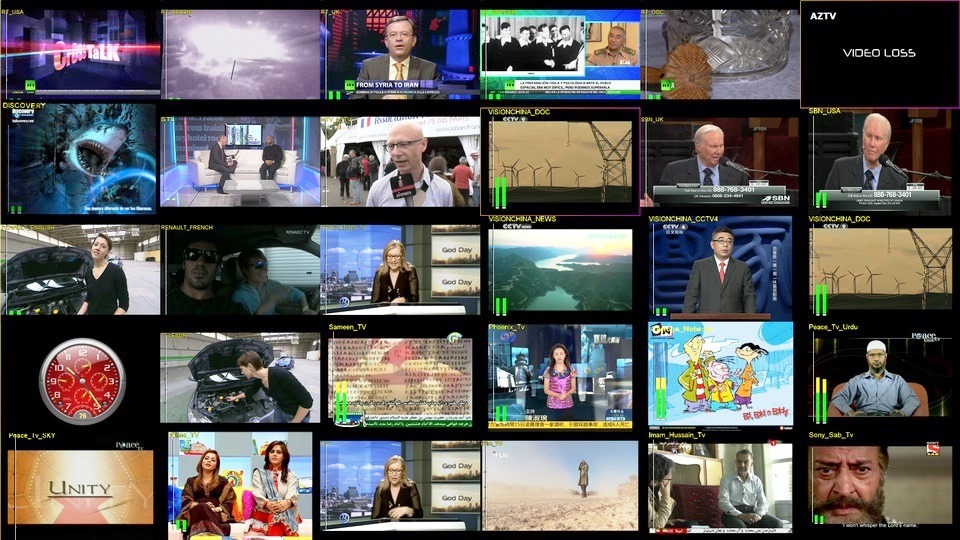
The pandemic forced productions to be done without even the central production facility in many cases. Ways were found and invented to let the required operators work from home. For many, Zoom became a production tool. Again, computer processing and connectivity advances allowed what used to take tens of thousands of dollars to produce a "monitor wall" on a single screen now could be done inexpensively on a laptop.
That the industry Grass Valley serves was able to scatter meant that the Group could do the same. It did. We'll see why none of it stayed in its birthplace.
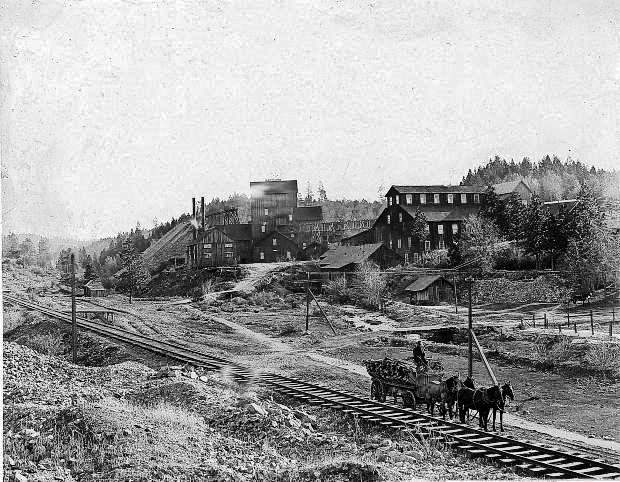
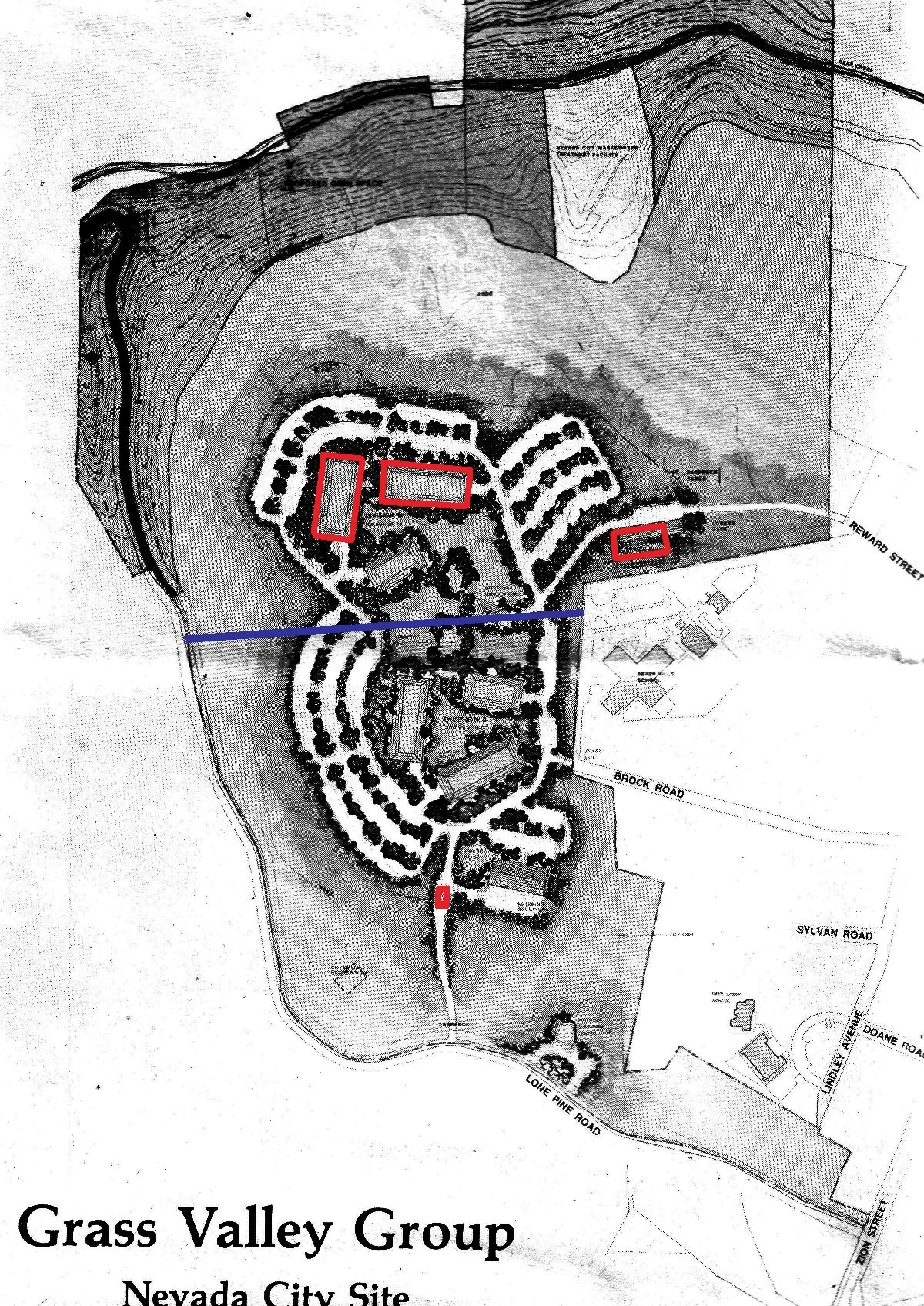
We are literally back where the seeds for Grass Valley Company were planted! This is the location marked 1 in the map at the top.
Between the Litton Building and their move to Bitney Springs, the Group spent some time at what was a small dairy processing plant on Gold Flat Rd. This location was recently found. Thanks to Richard Jackson from the Nevada County Historical Society who tracked down Bill Rorden, one of the few people who was there at the time. You will see later that Rorden was a key player in what became of Grass Valley through the 1970s. This is Node 3 on the map.
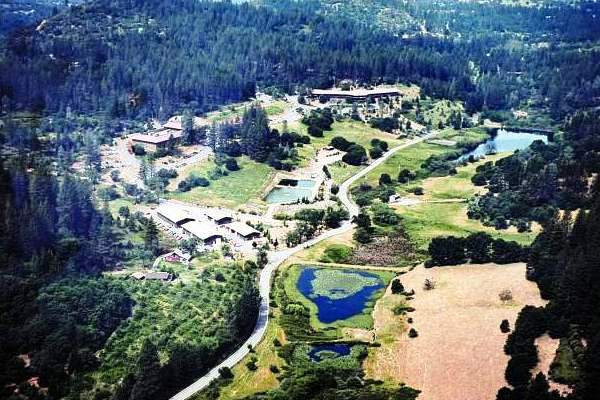
In 1974, when Tektronix took ownership, they started moving some activities out of the area. Subsequent ownership changes found more operations moved out. Some company operations and activities over time were seen as redundant. So, they were closed down.
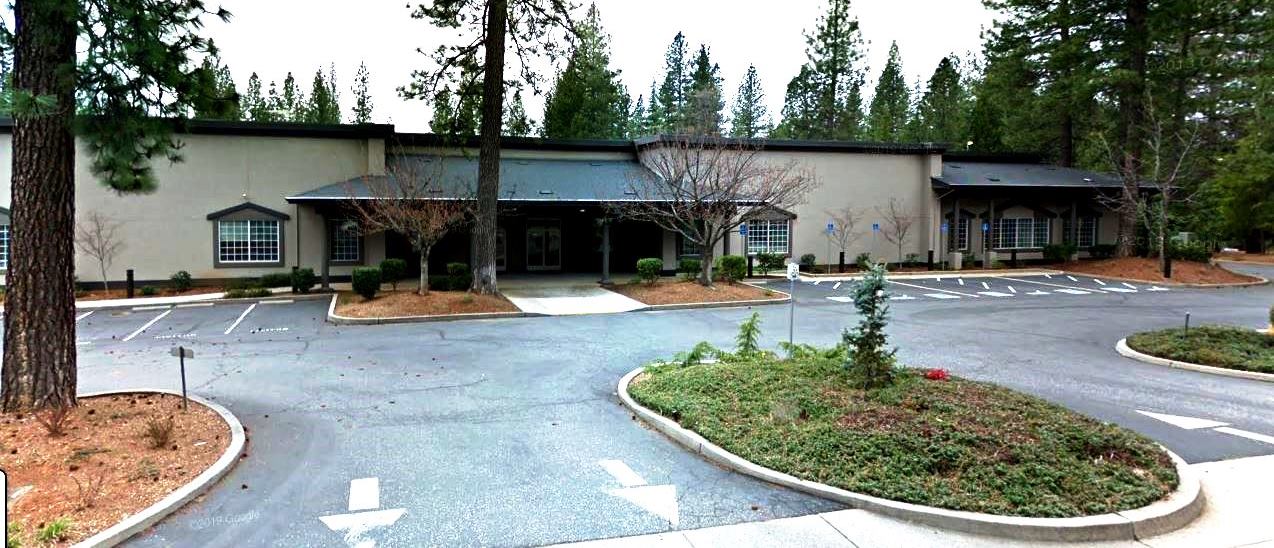
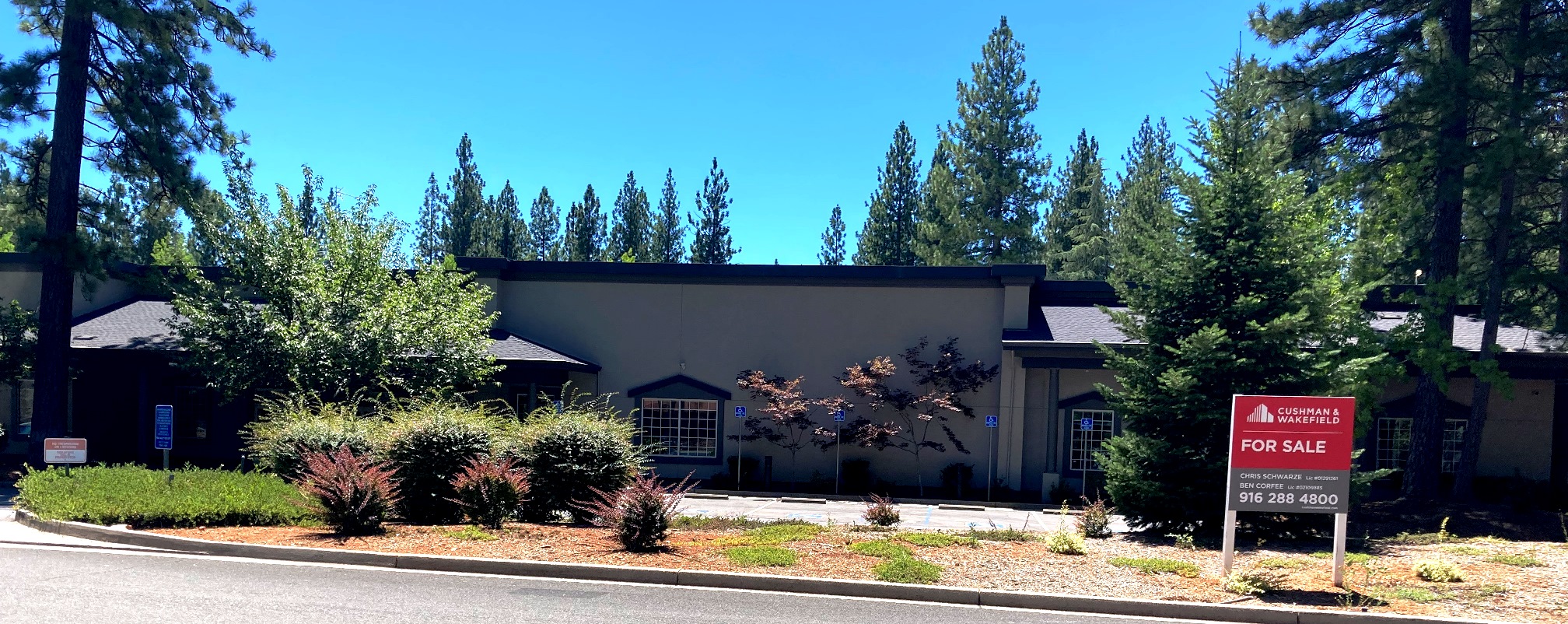
The company today has about 1400 employees. Roughly the headcount it had during its heydays in Grass Valley. It is ironic that the last building that the company had (node #6) in the area went up for sale for $2.7 million. That is what the only spin off from the Grass Valley Company paid for it in the early 90s. NVISION was that company, and it played a significant part in this story. NVISION got bought eventually by a company that got bought in short order by another company. Then in a forced marriage NVISION found itself back inside the Grass Valley Company. As fate would have it, what the company had left in the area ended up in this lone building. The building is now being converted into an event center.
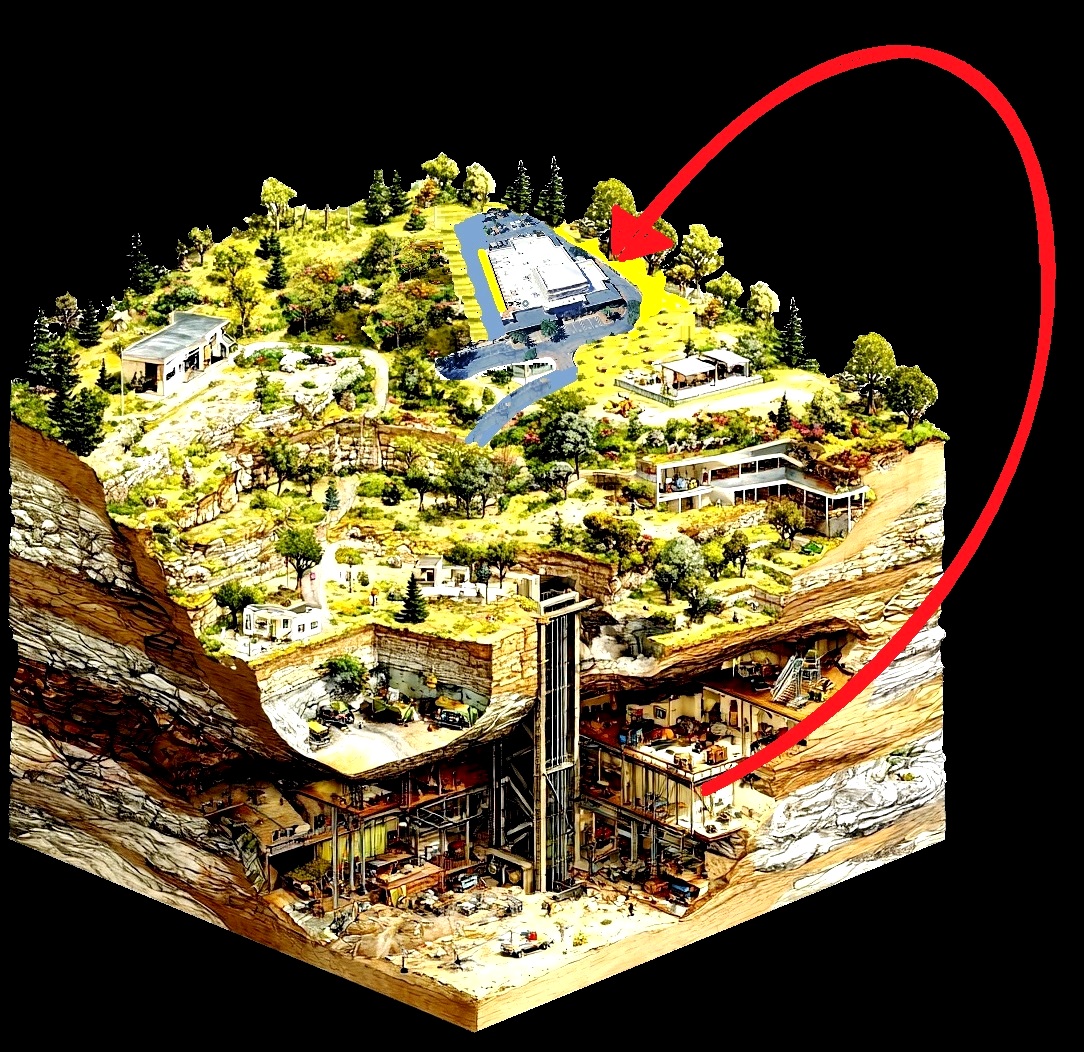
A bizarre conclusion to this part of the story. The building sits atop the very mine complex that was owned by the person who funded the hospital in the first place!
We'll look at how this happened in follow on articles. But next we will look at the tale of two mine owners. One shipped most of his earnings out of the area. Thankfully, the second did not.
