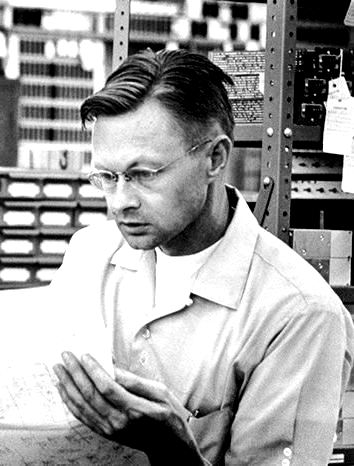
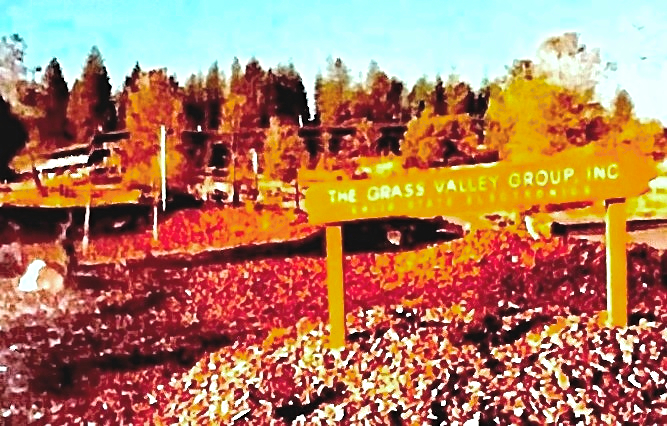
So, now we have an entity actually called Grass Valley. Except early on, they referred to themselves as the Group, or GVG. The group faced a lot of obstacles. At first, GVG struggled to attract engineering talent to the Sierra foothills. Many still viewed the area as a tech backwater, where little exciting work could happen. In a stroke of luck, Hare finally landed a Bay Area engineer from Varian and Associates, Bill Rorden. He somewhat reluctantly made the move. He was another Stanford graduate, respected at Varian. He got promoted to management but didn't like it. Now, he was ready for a change. Rorden and Roy Hamme, along with early DCG Hare staff, quickly began redeveloping the vacuum tube amplifiers for Cinerama. They used solid‐state components. Rorden was a vacuum tube engineer. He rapidly transitioned into a solid‐state engineer.
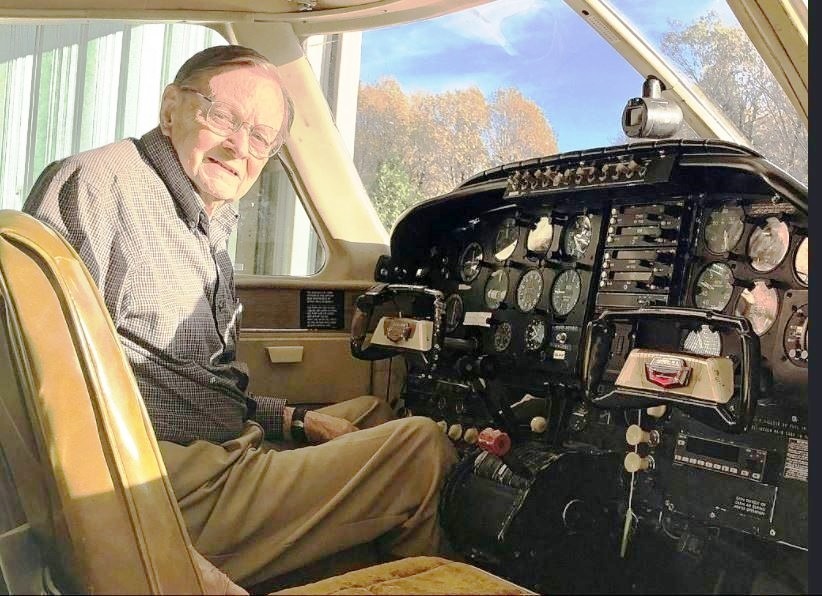
By 1960, Hare and Hamme were top experts in implementing solid‐state technology in the country. Hare's experience with Bell Lab employees helped him gain this expertise. Rorden was close behind them in knowledge. The group, never designed a product using vacuum tubes. Like another juggernaut in not only the consumer electronics industry, but also in the high‐end television equipment market, Sony, Grass Valley became a pioneer in using solid‐state transistors. Many kids in the 60s took their small Sony transistor radios to bed. They listened to music or a ball game while their parents thought they were asleep. Something that would not have been possible a few years prior.
By the end of 1960, Hare's company employed 20, had a payroll of $120,000, and had revenue of $500,000 a year. Hare would complain that the two towns still couldn't agree on whether they wanted new industry or to be a leisure and retirement community. Remember that this is something that Litton faced when he first arrived. At times, Hare even wondered if the Group might pick up and move. On top of all that, relations between Litton and Hare were not getting any better.
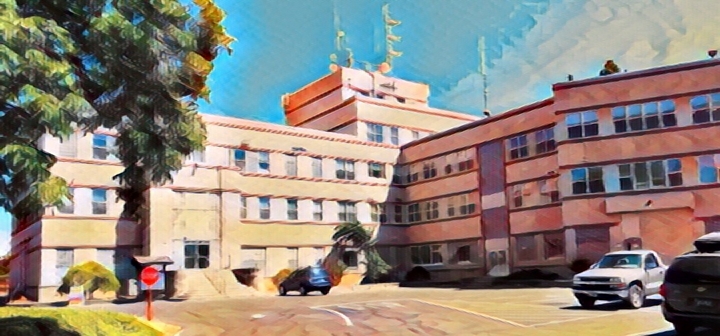
It quickly became clear that Litton's and Hare's companies couldn't share the same building. The strain between the two rapidly got worse. Litton was very frugal. He accused GVG employees of wasting toilet paper, paper towels, and office supplies. Litton even had one of his employees separate 2‐ply sheets of paper towels to extend their usage. Litton's sons, Larry and Charlie, Jr., thought they might have contributed to the widening gap. They would come home from school and sometimes roam the halls too enthusiastically, which led to Hare yelling at them now and then.
Initially, Litton allowed Hare to use electronic equipment, office furniture, and provided access to a large technical library. Even unpaid help from his shop personnel. After a time Litton suspected Hare was misusing his hospitality, which led to conflict. He wrote a long letter to Charles "Chick" Lanphier, Hare's former boss when Sangamo owned DGC Hare & Co. explaining the situation. "Not long after the first six months of his occupancy, however, he was spending so much time in our shop that they complained it was interfering with their work....I dropped him a note indicating that we could not afford the maintenance and use of our metal fabrication facilities without some compensation.... He continues to make free run of the place, taking time of our personnel and making everything we were doing his personnel business, questioning our working personnel continuously."
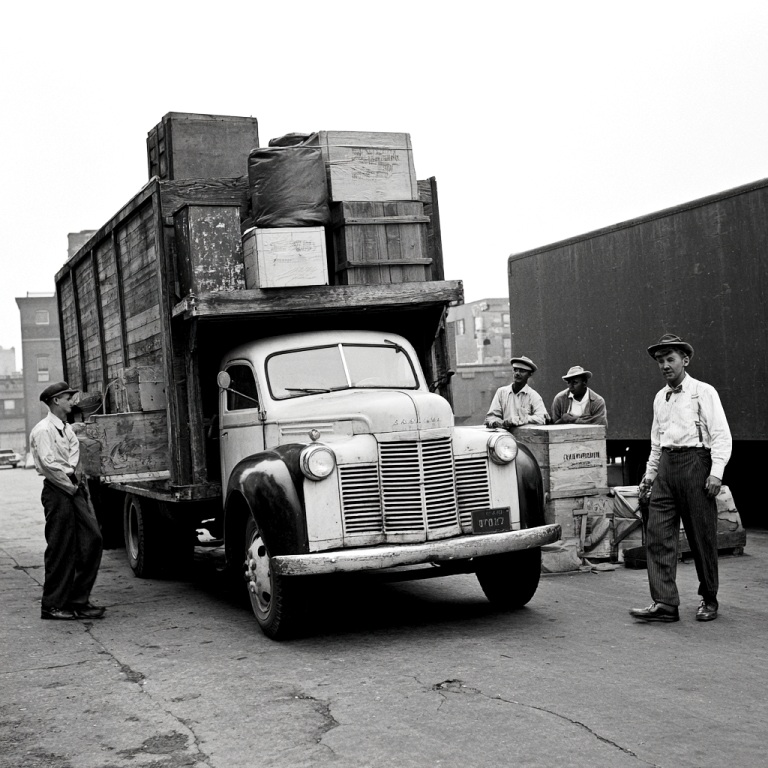
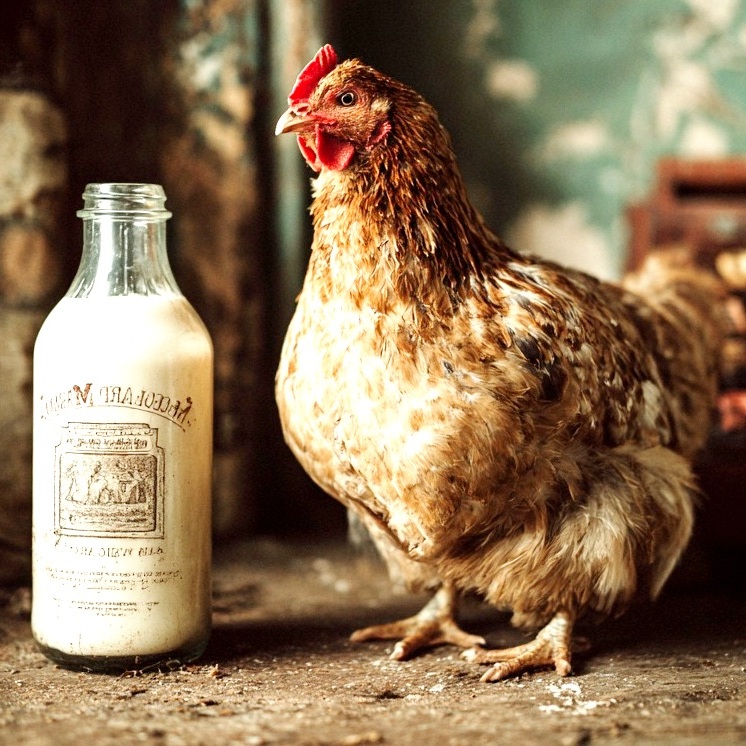
In March 1961, Litton needed more space for his tube production business. So, he asked Grass Valley Group for 200 feet of their space for storage. In Litton's letter to Lanphier, he wrote that Hare exploded in anger. Hare accused Litton of trying to sabotage his development program. It all came to a head in May of 1961; Hare again blew his stack when asked to move his stuff out of the storage area. He moved his entire operation over the weekend. He left the Litton Building. The only space he found was a facility that either stored frozen chickens or dairy products. I've heard both. One of the groups manufacturing machines was too big to fit through the door so a hole was cut into a wall. It was on Gold Flat Road. Today it is a machine shop.
In October 1961, Hare hired two longtime employees from Litton. This move ended their relationship for good. "The two longtime friends never spoke to each other again," according to Bob Robertson in The Inscrutable Dr. Hare, a history of Grass Valley Group.
Litton Sr. did not try this experiment again. After his death, his sons took over and restarted the incubator experiment. Over the years, Grass Valley Group's financial situation changed. Many engineers chose to leave GVG and launch their own companies. Several found homes on the second floor of the Litton building. Again, they had access to Litton's technical library. They also enjoyed the friendly development philosophy that the sons promoted.
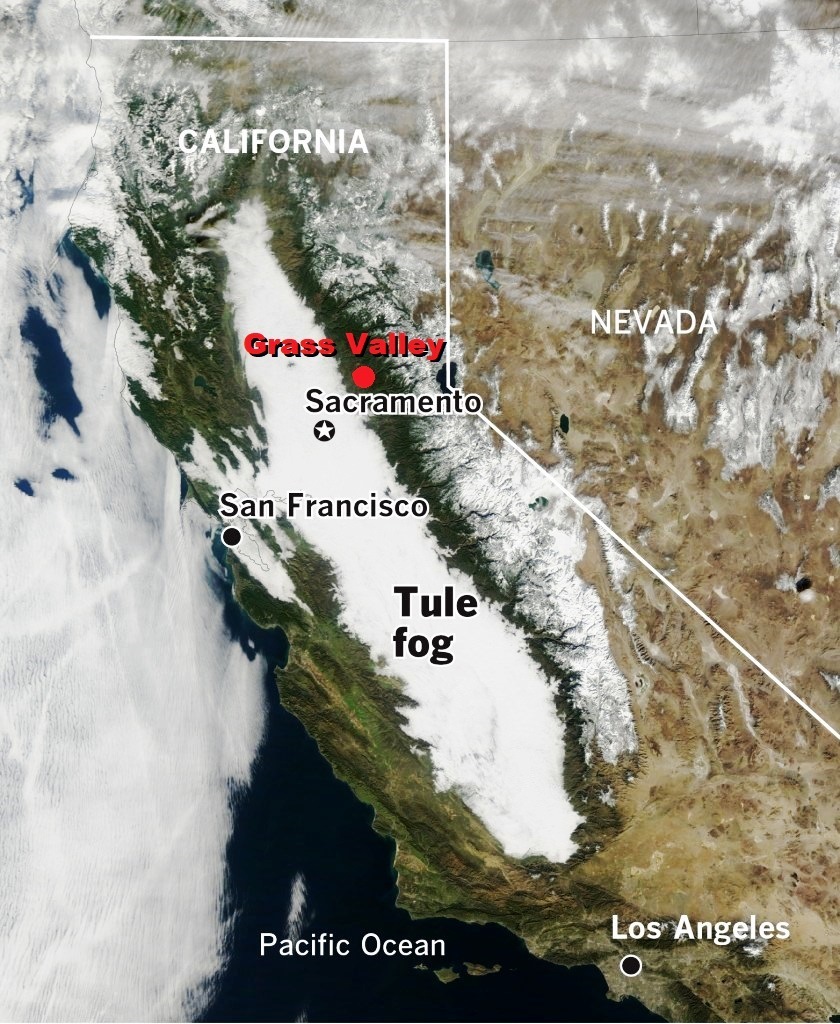
After finishing the Cinerama order in their ramshackle building, GVG made a profit of $120,000 after taxes. Earlier, Hare began searching for property for the company to settle on. One New Year's Day, he took a plane ride and spotted the company's future site. It was northwest of Grass Valley, on the south side of a small valley. It climbed a ridge that looked over a canyon made by Deer Creek. From the ridge, you could see the Sacramento Valley below. The altitude kept it above the tule fog that often blankets the valley in winter after heavy rains and chilly weather. The site occasionally even saw a dusting of snow.
A previous owner had planned some development on the land, which had undergone grading. Hare now wanted to buy that 80‐acre property. The owner wanted $500 an acre. Hare thought that was too high, especially since there was no road frontage. He purchased three acres along the road and spread the word about starting a chicken ranch. This idea might have come from the previous use of their current digs. The price of the 80 acres came down to less than $300. A Bay Area architect designed a functional building. It spanned 5,000 square feet and featured split blocks that look like stone. The building blended nicely with the sloping ground and Ponderosa pines. It cost about $60,000 to build, with Rorden doing most of the wiring.
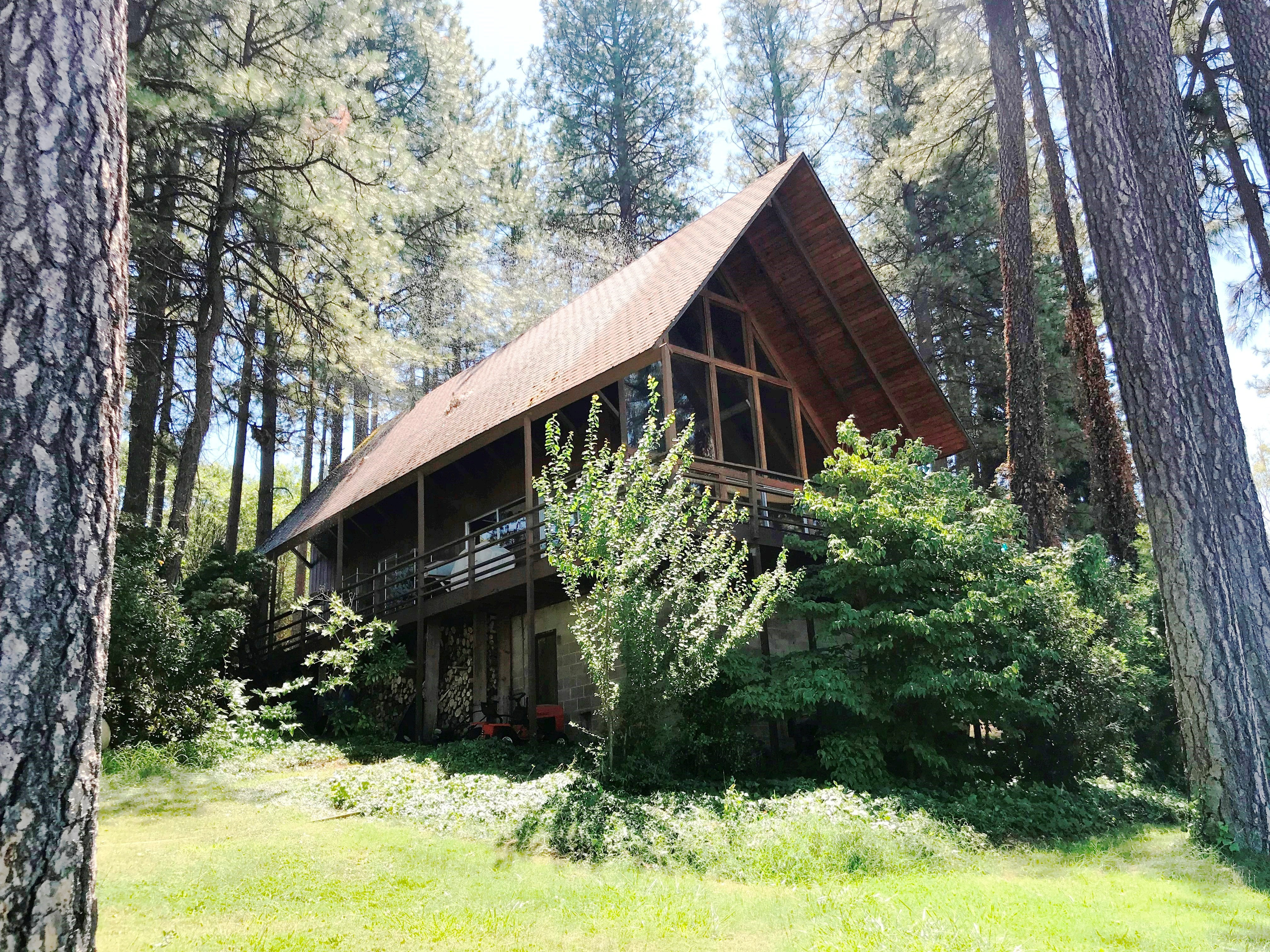
The building had two small luxuries. One was a tiny bathroom off Hare's office. His office looked over a small lake. The other was an exterior wall made of white, gold‐bearing quartz rock from the Empire Mine. The property featured an "A" frame house for the Hares. It sat on the ridge above the plant, tucked away by pines and firs. The views were stunning in three directions. They were especially beautiful in winter when the skies were clear. The Coast Range, about one hundred miles away across the Sacramento Valley, was often visible.
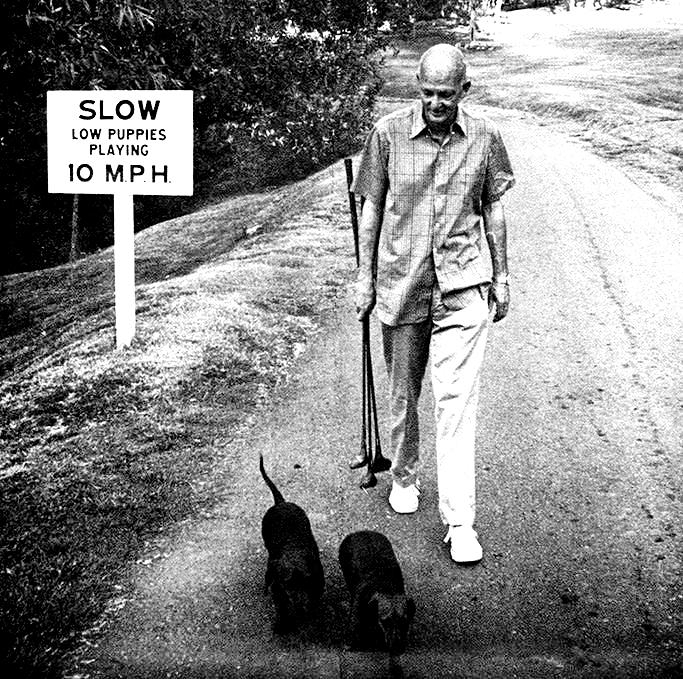
Hare had two Dachshunds that always accompanied him. He drove a five‐year‐old black Mercedes. He used a walking stick, which was a battered four‐iron.
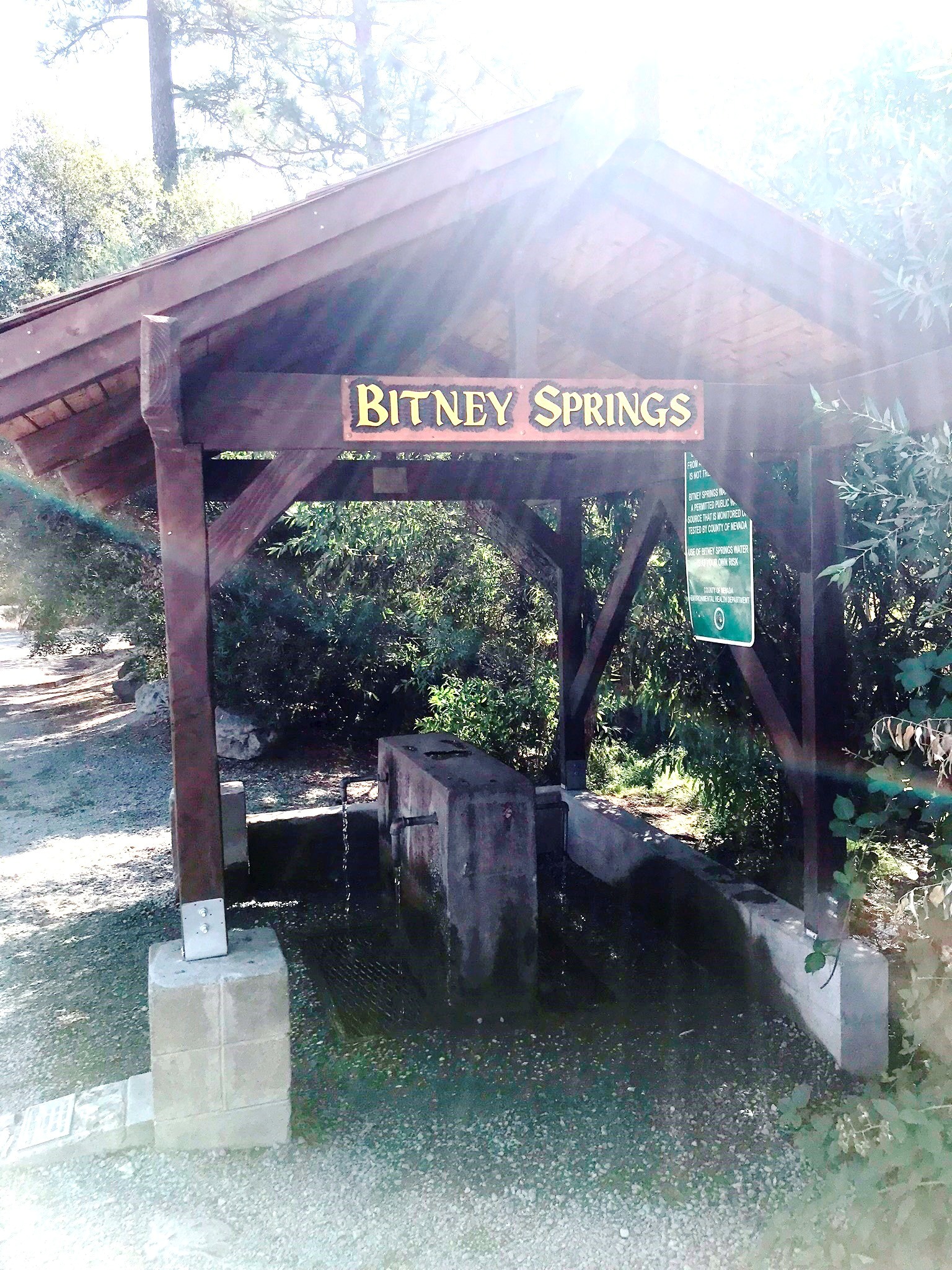
The area only had single‐phase power. The power company wanted $30K to run an extra conductor down Bitney Springs Road. Hare said he might complain to the Public Utilities Commission for himself and nearby ranchers. The power company added a fourth conductor. Now, GVG had three‐phase power to run their equipment. For water, there was a natural spring on the site that had adequate flow for the present and future needs. Hare installed a water tank on the hillside above the building. This ensured strong water pressure.
Even in their new facility, business continued to be slow, and weeks passed without any new orders. The Sangamo contract helped keep the company going. Hare and Rorden solved a problem brought to them by the State Department. Many hotels in the Soviet Union had phone systems that allowed the monitoring of what was said in the room even when the phone was not in use. They created a device that fits over the phone. It generates noise to cover up any conversation happening in the room. They used a Triplett voltmeter with that gadget. It was a standard test tool back then. They added some additional components. Now, the room's occupant could check if their phone line was bugged.
The A.B. Dick Company gave GVG a contract to build a forerunner of a fax machine. The end user was a railroad. They wanted to scan waybills and manifest data during the day. Then, they would record it on tape and send it at night to save on costs. The tape recorder was a two‐speed machine. It recorded at a high speed. But when it sent data, it used a slower speed because of interference and the bandwidth limits of old phone lines. A working system was developed and delivered, but it seems it was never used.
These various projects and requests kept coming in, but the company was always a few payrolls from insolvency. To help stem the burn rate, Hare often would not cash his paychecks. 1960 was a tough year with Bill Rorden putting his savings of $20K into the company. The Sangamo contract brought in $50K for a couple more years. Yet, it was clear the group needed to find a market quickly.
The company limped through 1961, losing ground slowly, but at a steady rate. 1962 was no better. 1962 had been a financial disaster for the group. Now, with the group facing the precipice for a second time, Hare knew time was running out. Dr. Hare, 55, was healthy and weighed the same as in high school. Still, he worried about starting over financially. Bill Rorden's losing his investment was also weighing on him. The company decided to concentrate on selling audio amplifiers.
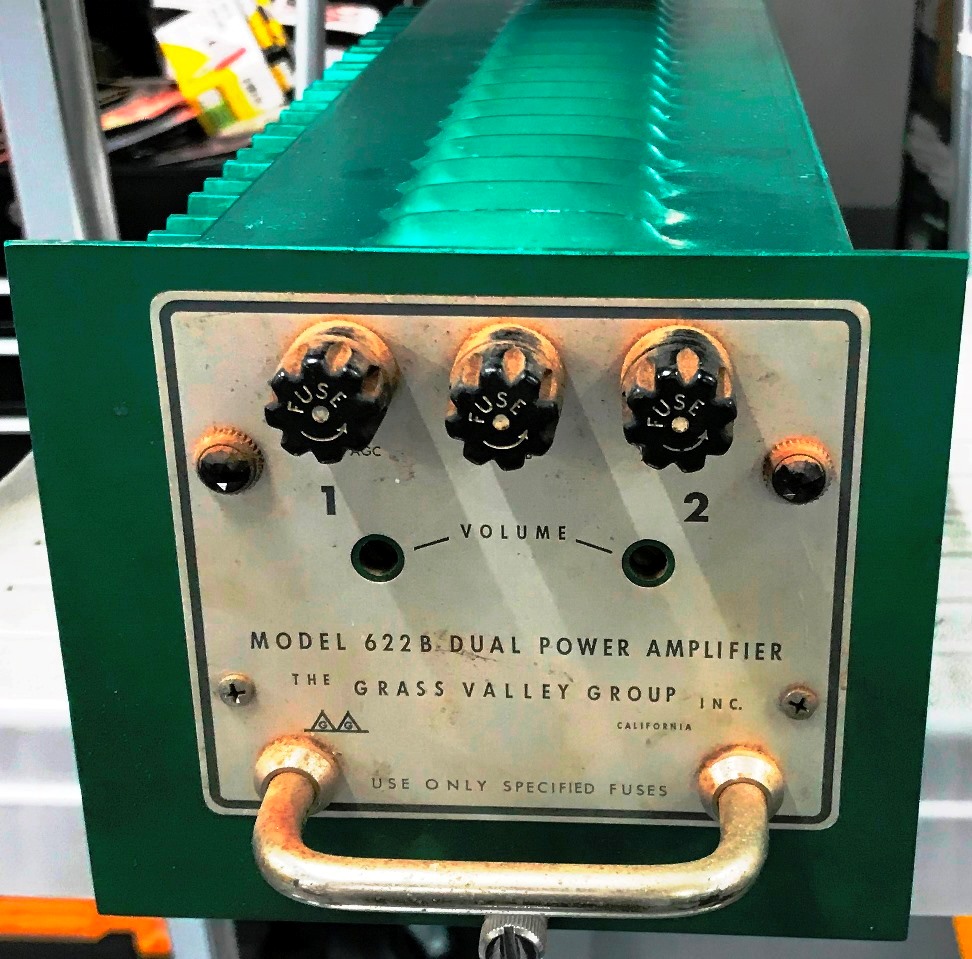
Business picked up slightly in 1963 as they focused on their production goals. They made more deliveries of their audio amps, known as models 610, 621, and 622. The company was paying its bills and meeting payroll, still not with much to spare. Despite more orders for their audio equipment, their strategic position remained the same. This was due to low gross margins from fierce competition in the audio market. They needed a proprietary product.
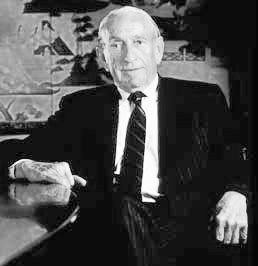
In 1963, a low point came when David Packard, a former Stanford student, called. He suggested they might share a common interest and should discuss it. Dr. Hare and Hazel drove down to Palo Alto, and he met with Packard. The meeting went nowhere. On the way back, with Hazel behind the wheel, Hare had her stop, and he bought a pint of J&B scotch. He drank it as they crossed the two‐lane Dumbarton Bridge over San Francisco Bay. By the time they reached the Nut Tree in Vacaville, a popular stop on I‐80 back then, he was sound asleep. She went inside for a coffee break.
The small company continued casting about for something of subsistence to build the company on. They often discussed the growing television broadcast market. A new set of TV stations was launching on the UHF band, adding to this growth. If they had known what they were up against in that market, they would have been advised to promptly drop the idea.

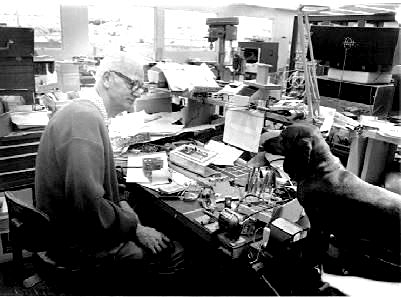
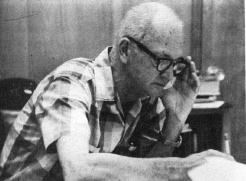
Hare had a 6‐foot‐plus frame. He had a well‐worn but friendly oak swivel chair in his office. Outside his office, he had two benches in an L shape. They were always cluttered with parts, a soldering iron, small tools, an oscilloscope, and other test equipment. But he kept one clear space. It was for his grown‐up Dachshunds, Itsy and Red. That space was for the "puppies," as he would refer to them. He would park both of them in the clear space when he was working at the benches. The "puppies" were the reason for the strict five‐miles‐an‐hour speed limit on the property.
The consulting contract with Sangamo had ended. Bob Robertson, an employee in Sangamo's finance department, sought a change. His asthma kept flaring up, prompting the need for a new environment. Chick, the head of Sangamo, recommended him to Hare, who hired him. Hare liked the idea that during the interview Robertson never asked about benefits. Hare started him low, but after a short while, gave him a raise.
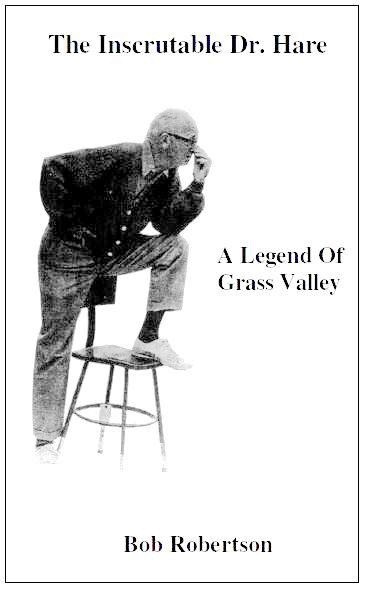
Bob, in 1996, wrote a book about Hare, The Inscrutable Dr. Hare. Bob said in his book that Hare wanted to know what was going on in every department every day. He wanted to know each day's cash receipts, disbursements, and bank balance from Robertson. He checked those totals himself. If he found any errors, he would issue a sharp reprimand.
Hare would, at times, encourage differences in opinion. He wanted to ensure that the right way to do or approach something was arrived at. He was often right, but sometimes he took a contrarian approach. He did this to draw out responses from those around him. He often did that with his engineering neighbor, Rorden. Bill would then have to make a logical case for what they were trying to do. Often the original track was confirmed. But sometimes a different and better path forward was realized. Bob Robertson said that Hare once faced a quiet room in a meeting. He broke the silence. "Dammit, I'm paying you too much to just sit there and agree with me." Hare knew he was opinionated and tough to work with. Still, many found their lives changed by his beliefs.
In pushing his troops to question the conventional wisdom, they would often find that the discussion had gone full circle. When the same discussion points started to repeat, Hare would often say, "We have been around the mulberry bush already." Rorden once quipped, "Why not build a revolving mulberry bush?"
The group made nearly everything in‐house. This included metal cases, printed circuit boards, and shipping cartons. Hare often worried about customer service. He wanted to know if the equipment was under warranty. Even with loaners provided, he still demanded an explanation if repairs took too long.
Hare was such a creature of habit that he got dressed in a certain order. Underwear, shirt, socks, shoes, and then pants. He would not change even after men's pants tapered narrow at the bottom. His wife, Hazel, had to find pants that would allow him to continue to dress in that order. When Bob Robertson first met Hare, he wore a short‐sleeve sports shirt and khaki trousers. Quite a contrast to the white shirt, tie, and jacket corporate atmosphere he was used to.
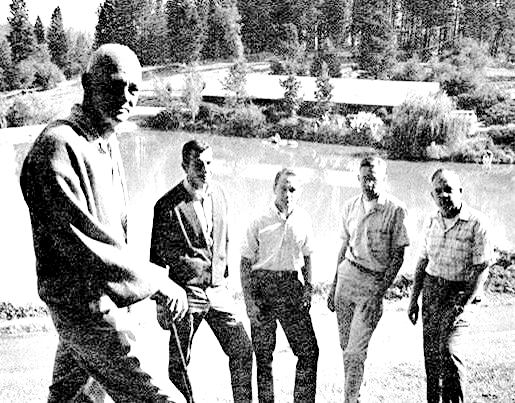
At 26, Bob Johnson was hired as a technician and given his first assignment, winding transformers. He spent 4 years in the Air Force as a radar tech. Then, he worked for a year at another electronics company before joining Grass Valley. His second day at the company, Hare stopped and watched him winding transformers. Hare said he was too slow and that he should be able to do it faster. "Do you want quality or speed?" was Bob's reply. "I want both!" Hare said. Bob survived and later became the longest‐serving employee at the company. Bob became part of the after‐hours recreation in the plant with Dr. Hare and Hare's son, Stephen, who also worked at the company. Sometimes it was a putting game with coffee cans placed around the factory. All games had to include small wagers to satisfy the competitiveness of Hare. Sometimes it was targets shot at with pellet rifles at a steel roll‐up door. Once he brought out a .22. The next day it was realized that there were holes through that door.
Bob was a good golfer and was always included in the Sunday foursome at Alta Sierra Country club. Occasionally Hare would invite Bob to play on a weekday afternoon, just the two of them. Once, when they were having their customary after‐round drink, Bob mentioned something about the group. Hare abruptly told Bob to finish his drink and said nothing after that, including the trip back to the plant.
The next morning, Bob was summoned to Hare's office and motioned over to sit on the couch. This was known as "couch time" by the employees. Hare chewed Bob out for mentioning group business in public. Hare believed social time shouldn't involve talking about business. You never know who might be listening. Hare would not break his own rule to reprimand Bob in public or even outside of the group's facilities. He waited until business hours the next day.