In the early 60s when the Grass Valley Group was struggling to stay viable, TV was to a point where color TV was rapidly ascending. Plus video recording was becoming standard in most broadcast facilities. RCA led the broadcasting equipment market, while Ampex was gaining strength in the industry. In the 60s, Ampex started branching into cameras and other broadcast equipment. GE, Marconi, Philips, CDL, and other large and small companies were selling to broadcasters. Did the industry need another small outfit up in the "boondocks?"
In 1963, at a company brainstorming meeting, someone suggested entering the television market. Hare shared the idea with Harry Jacobs. Harry had worked with him at the Airborne Instruments Laboratory during the war. He later went back to KGO, the ABC‐owned and operated station in San Francisco. Harry said GVG would have a hard time competing with RCA, Ball Brothers, GE, and others. But he said he wanted to visit Grass Valley. He also brought a common piece of gear: a video distribution amp, or DA. The DA he brought was a vacuum tube device. They were simple and straightforward devices and sold for about $350 each (in '63 dollars). Harry suggested some refinements. In short order, GV designed a video DA. But the Group's was solid state. Under the Grass Valley name, the company never made a vacuum tube device.

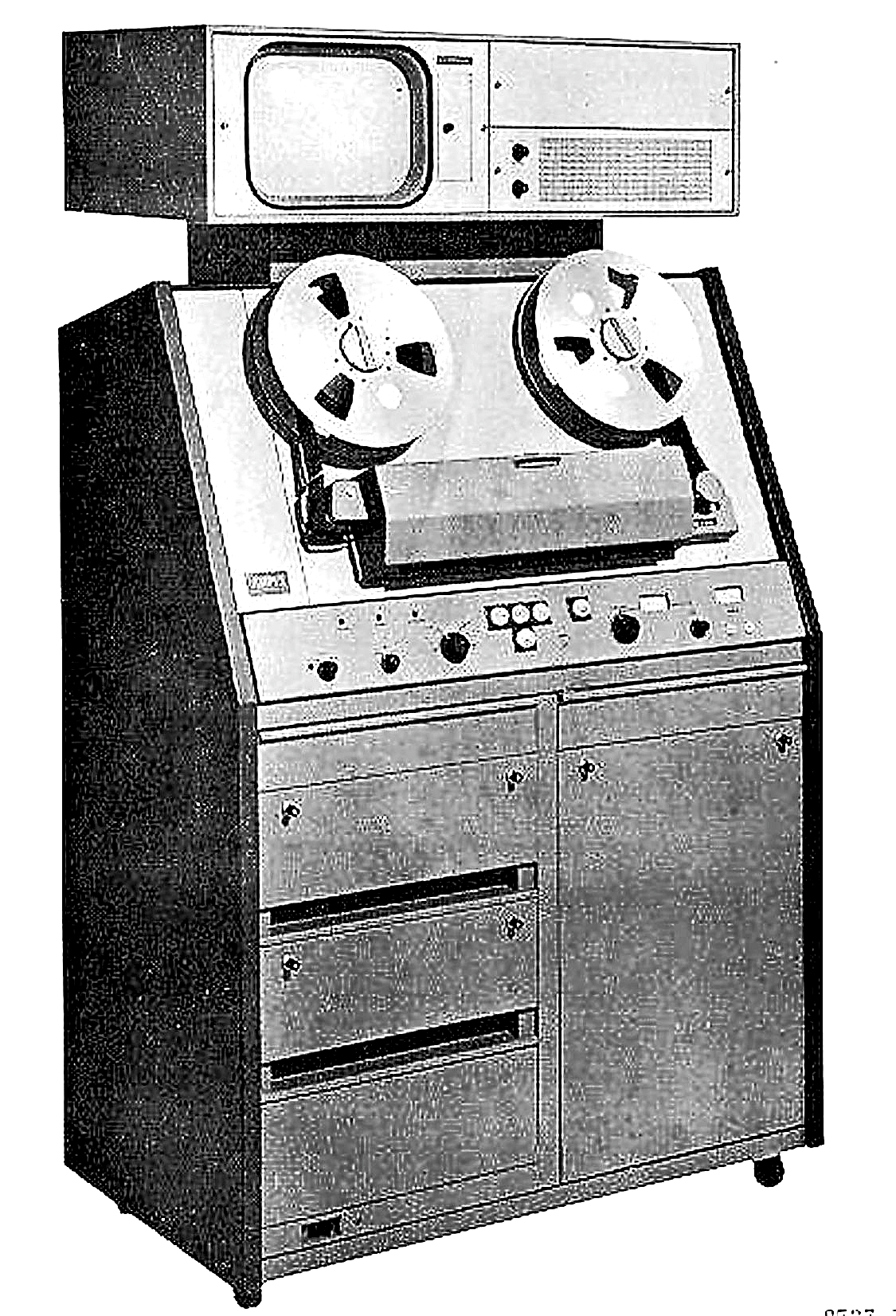

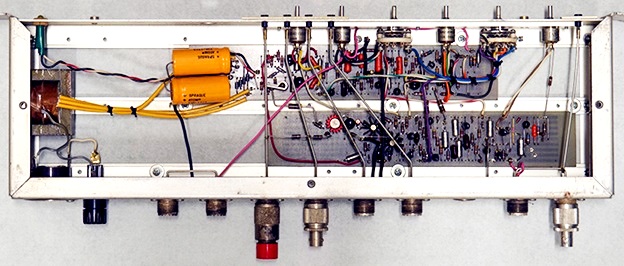
This was at a time when engineers still used slide rules. Forget today's hardware description languages, earlier Spice circuit simulation, or even old programmable calculators. Set aside all calculators or modern tools. This was not even the dark ages of modern system design, nor even the iron or bronze age. This was the tin age. Electronics improved, but the tools for design, building, and testing were still basic. At the time, the most advanced tool most designers had was the oscilloscope.
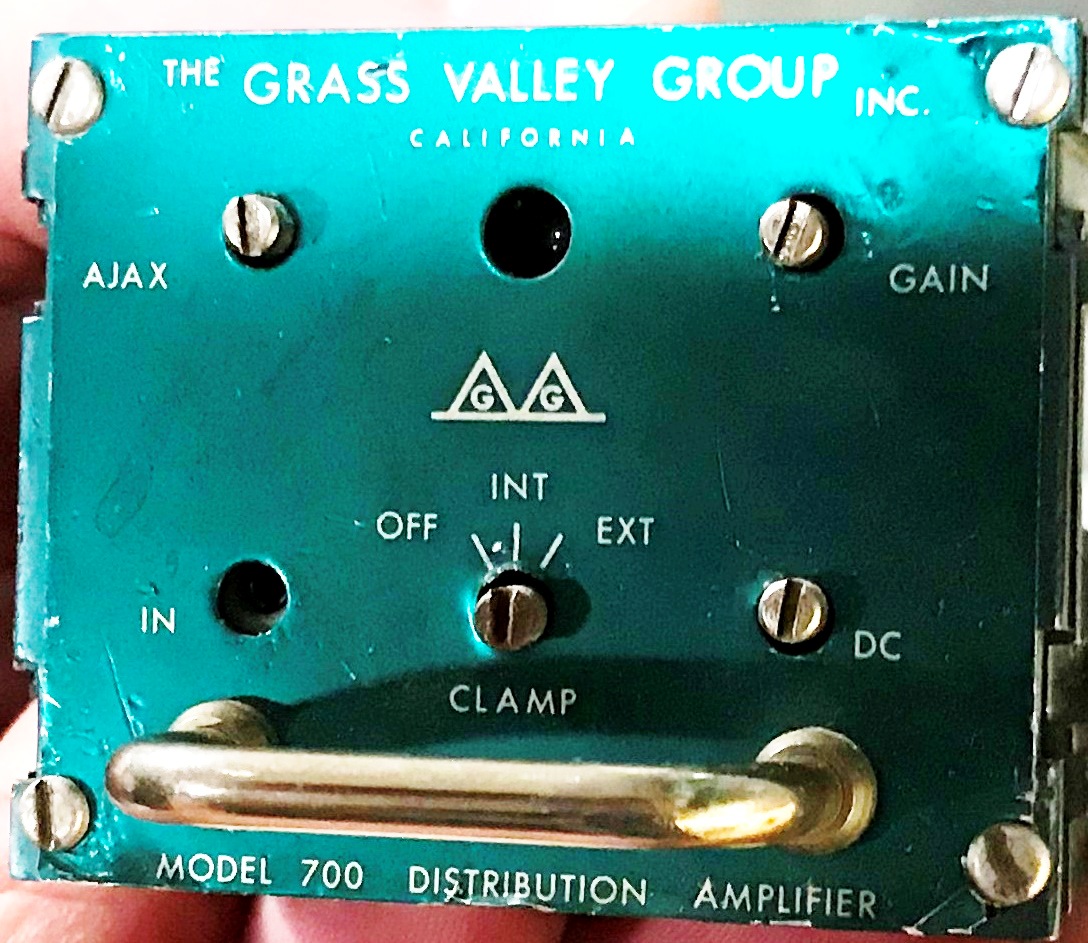
Sales for their audio amps increased. They received large orders from radio stations in New York and New Orleans. It helped keep the doors open and the lights on. In October 1963, Herby Hartman joined the group. He was the chief engineer at KCRA, the NBC affiliate in Sacramento. He, Bill Rorden, and Hare put the final touches on the 700 Video DA.
At the same time, Hare's son Stephen graduated from Stanford. He earned a degree in Electrical Engineering. He then joined the group. Steve was tall and lanky and a good athlete, like his dad. Also, like his dad, he was a free thinker, and there was occasional friction between them. Most of the group called him Corky after Corkhill, his second middle name, which was the same as his dad's.
In early 1964, Hartman took the new DA to New York City and showed it to CBS, which was not interested, but ABC New York was. Hans Schmidt of ABC spent a week evaluating it. Rorden and Hartman went to the NAB in Chicago that spring. The group couldn't afford to join the NAB. So, they set up a demo in their hotel room next to the convention center at what was then the Hilton hotel. They lured attendees they ran into to come to their room and see the unit. In the next few months, the company received orders for the model 700 and a new modified 705.
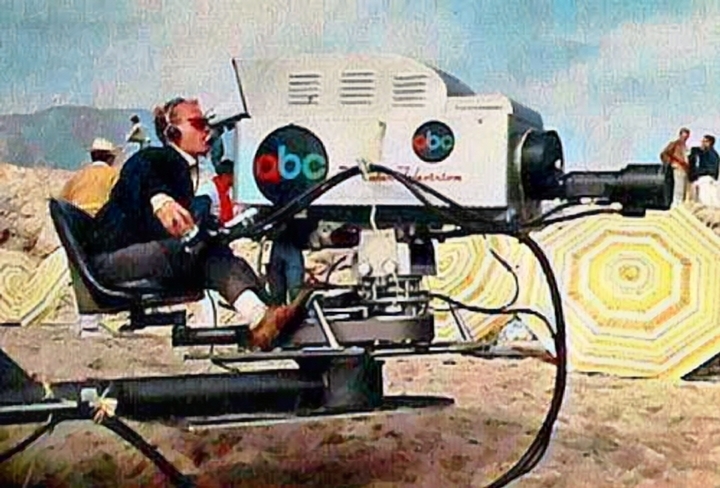
Where ABC made its mark early on was sports. In 1961, ABC acquired the Wide World of Sports concept from an outside production company. They had brought in Roone Arledge to produce the show. ABC ran the two‐hour show on Saturday afternoons. The show ran for the next 37 years on ABC. The show opened with Jim McKay's famous voice. He announced its theme: "the thrill of victory and the agony of defeat." This set the tone for the entire program. The show featured a mix of sports. It included bowling, tennis, track and field, and racing ‐ both horse and bike. Skiing was part of it too, with a ski jumper wiping out during the "agony of defeat" segment. There were even rattlesnake hunts.
ABC was a pioneer in technology for its weekly show. It was among the first to use Telestar, an early communications satellite. This satellite relayed live feeds from Europe to the U.S. Not an easy feat back then. As the satellite was not stationary, and had to be tracked. It provided narrow and precise time slots for use. However, a big part of the show's success came from the fact that the world was much less connected back then. The satellite let offbeat events be recorded earlier in the day. They were then delayed until airtime. The show brought a cavalcade of different sporting events. Most were not advertised in advance. Viewers often did not know what they would be watching that day. What that told Arledge and ABC is that Americans generally liked to watch sports. Roone Arledge was a driving force in making Wide World a success. He came to ABC by way of the deceased Dumont Network and NBC. Early on at ABC, he was able to cut a deal to air some college football for $50,000 a year. With that, ABC could attract potential college football sponsors to buy ad time on Wide World. McKay, who came from CBS, really helped the show. He had a natural curiosity about the sports he saw. Plus, he was eager to share what was happening in clear detail.
While producing Wide World, Arledge had an epiphany. This changed how the media covered sports and still influences coverage today. Up until then, TV coverage acted as another observer from the stands looking down. That was the case because equipment was often not very portable. Arledge and his team sought ways to bring TV from the stands to the field, right in the athletes' faces. The concept went beyond simple coverage. It wove a story around the game and its players. It did not hurt that about this time technology was starting to make TV more portable. Arledge's genius is that he saw the possibilities before most others. He became president of ABC Sports in 1968.
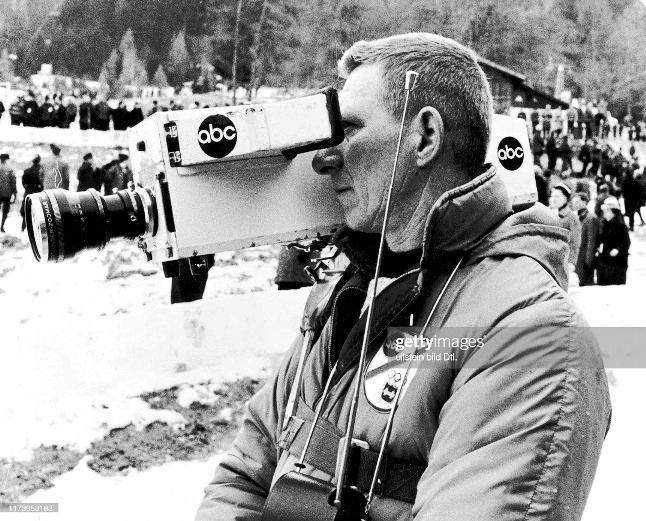
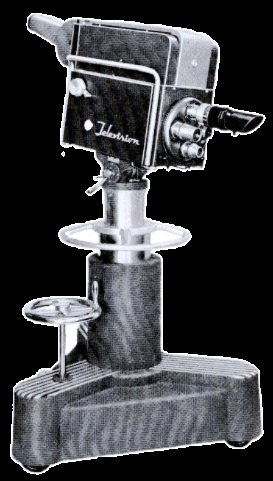
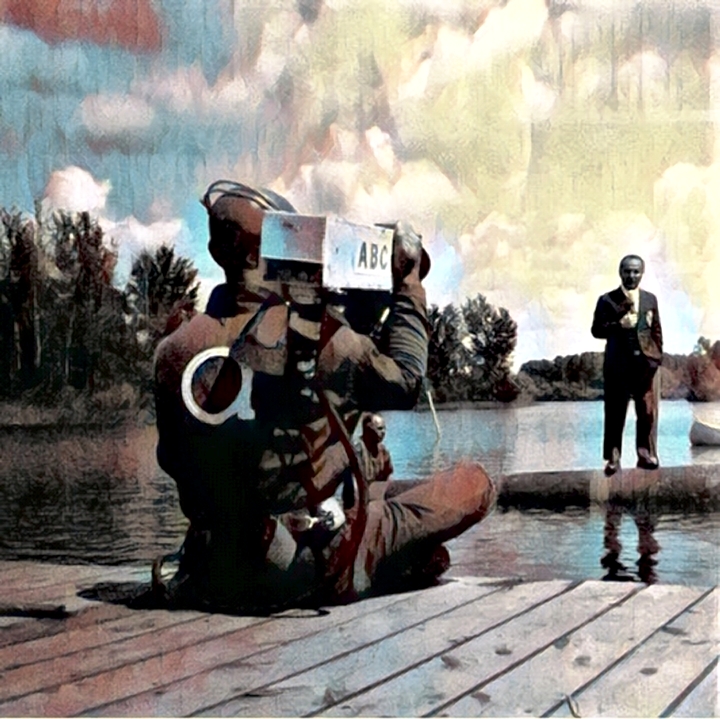
The technology, the TV industry, and the NFL were all set for Arledge's next big idea: Monday Night Football. From its first telecast in 1970, Arledge did not treat it as a game, but as a spectacle. He treated every week's game as a playoff game. It had extra features like cameras and portable microphones for full audio capture. It was also an early user of instant replay and computer graphics.
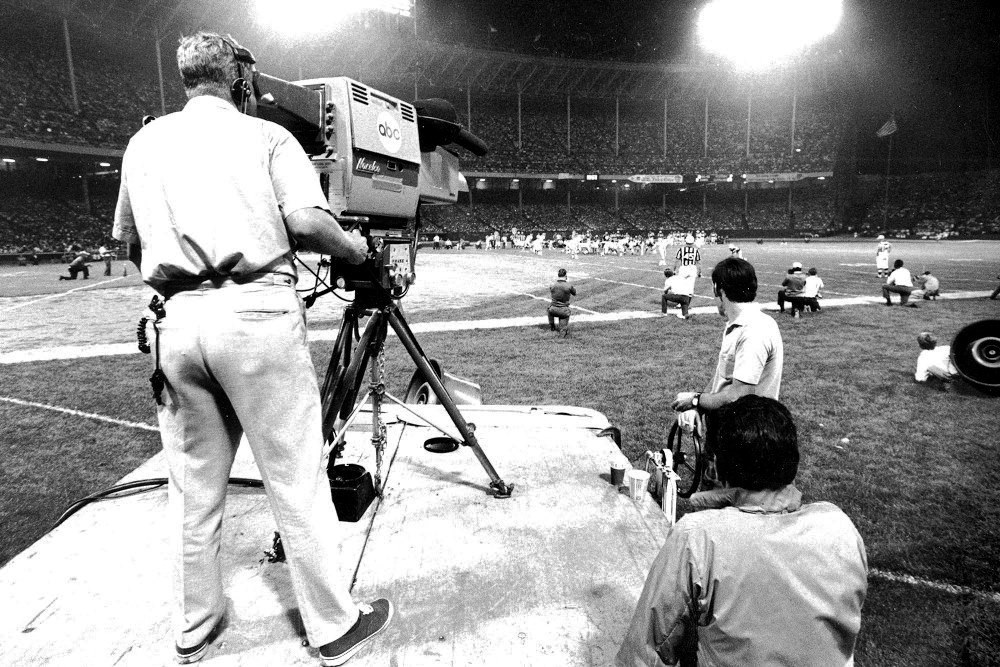
Instead of two people in the announce booth, it had three. The third often stirred things up. It was not sports so much as entertainment. Must‐see TV. ABC had become the spunky network that was always experimenting and inventing on the fly. ABC depended on technicians, directors, and production staff to make Arledge's ideas come to life. In contrast, NBC had RCA's engineering power, and CBS boasted its innovative CBS Labs.
What does ABC's modus operandi have to do with Grass Valley? A lot, as we will see starting now.

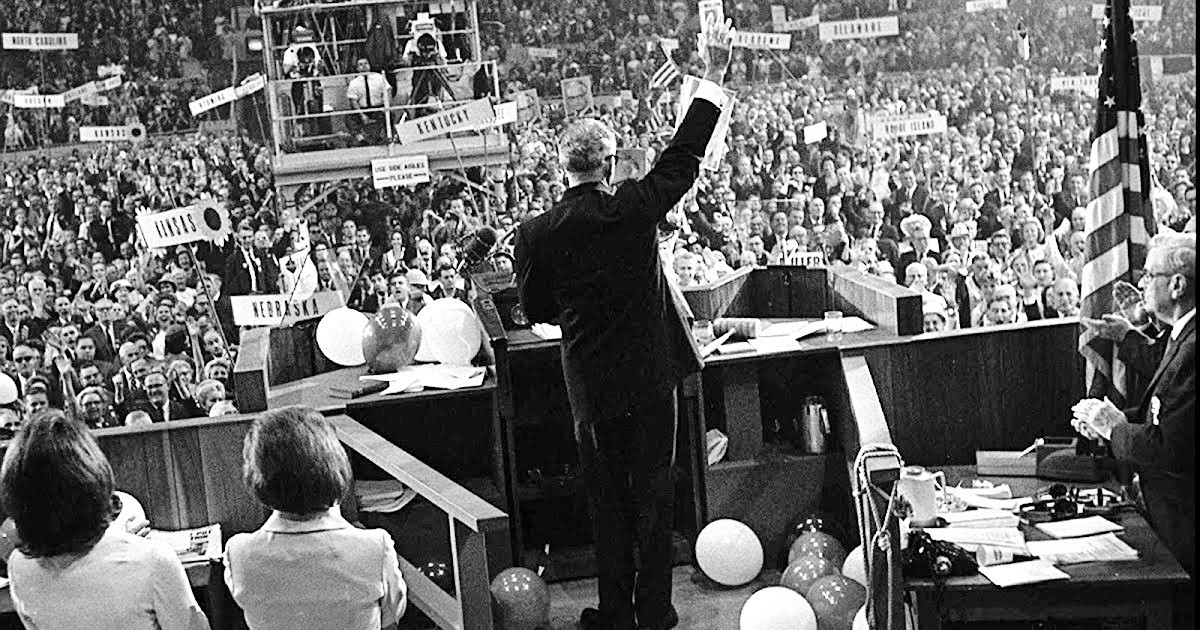
ABC's usual supplier of DAs and similar gear couldn't deliver for the 1964 Republican Convention at San Francisco's Cow Palace. Harry Jacobs called and said that if the group could provide 30 DAs and ten proc amps, they would make the purchase. Hare asked, 'What the hell is a proc amp?' Hare had never heard of a processing amplifier but agreed to build 10 of them.
Video: about 1:10 hear Hare tell the story in his own words Video: Very end ‐ hear Hare say why they got into video Videos about the overall storyHe was told to call Frank Haney in New York and he would give them the specs. This all happened on a Monday. By Wednesday they had a working breadboard in a vice. They called up Jacobs and said to come see it. He showed up Friday and the group already had it in a case. ABC then gave them the order. All went well with the equipment at the convention. As we will see, ABC became an important customer. It would be safe to say ABC was GVG's most important customer, at least into the mid '80s. Later on we will see that they still held sway over the company into the new century.
The Group's key strength early on was turning ideas into shippable products quickly. A few years after the Model 700 launched, an RCA engineer called. They wanted to license the Model 700 DA. Hare said they were phasing out the model line. He told the RCA engineer to just copy it, as he didn't care. Hare explained to the RCA guy that that is where the Group had the advantage over RCA. GVG sees a need and simply makes it in very short order. RCA needs one or more committees to approve an idea. Then, they will design the circuit. Next, they draft it, assign part numbers to components, and request purchases. This process takes two years before the idea is ready to ship. Bill Rorden once noted that there was more ignorance in the video business than in audio. The Group then decided to take advantage of this gap.
Even into 1965, the company still had no sales department, nor did it do any advertising. They exclusively used telephone sale methods at that time. They sent equipment to potential buyers on consignment. Customers kept this shipped equipment 90% of the time. "Satisfied customers are our sales force," said Hare. GVG's technical quality and reliability was earning it a great reputation in a small, close‐knit industry.
GVG did not even have a drafting department. New products and all materials for building and testing were created with informal documentation, not blueprints. Rorden and Hare could produce prototypes in days, or at most a few weeks. With their early experience in transistors, they realized that mainframe computers were the top users of them. The type of transistors that these key players like IBM used, GVG used. That was because the more that were produced ensured that those would be the most reliable.
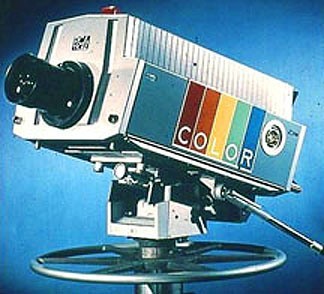
At that year's NAB convention, GV joined the NAB and had a low‐cost booth that had a modest display. It was enough that orders increased over the next few months. It was at this time that the rise of UHF took off, and so the customer base was increasing. Another large wave was about to happen also. The wide adoption of color video. The competition remained fierce. RCA provided nearly everything a broadcaster required. Early on in my career, I had a chief engineer tell me that "If RCA doesn't make it, we don't need it!"
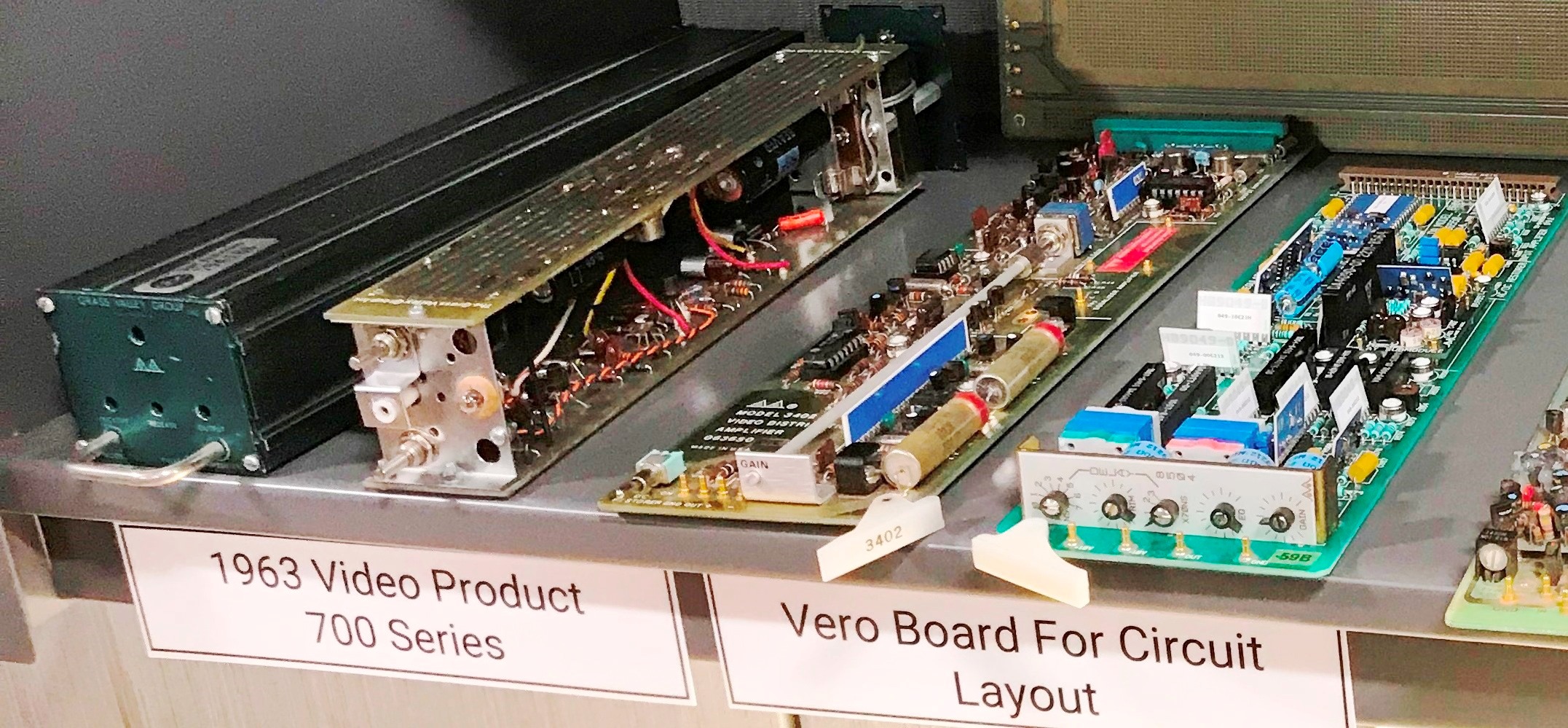
Most of the first 30 GVG products, besides the video DAs and Processing Amps, were not made to compete with other companies. This way, they avoided direct competition early on, keeping clear of their larger rivals. They would innovate and create new markets. Their products were designed for engineers working mainly in San Francisco and Los Angeles. As television was evolving, new problems arose, and the solution often involved new ideas. GV had an advantage in that Rorden and Hare could take these new ideas and turn them into products in very short order.
By the middle of 1965, the company had about 35 employees. Hare said: "We make a low volume of low weight items which sell at high cost. One three‐pound item, for example, markets at $750." Hare mentioned that they have some patented products. However, the group focuses on fast marketing, flexible design, and quick responses to stay competitive. "It took RCA two years to market a single product. We started 18 months ago with one product. Today we have 31."
The phrase "Made in the Black Forest by Elves" was famously used by Hare. He humorously described the precision and craftsmanship of the company's early electronic equipment. He implied the quality was almost magical, as if it came from skilled elves in a legendary place. Reflecting on the area's history, some questioned if he had paraphrased the Black Forest and Elves, with the Mines and "Tommyknockers." No, not the aliens from a Stephen King novel, but the mythical creatures that were tales told from one mining generation to the next.
Depending on the cultural context, Tommyknockers could be beneficial or evil spirits. Miners often believed that sounds heard before a shaft collapse came from a Tommyknocker. Some cultures believed these sounds came from the spirits of dead miners. They thought these spirits were warning others about danger so they could escape death. Other cultures believed the sounds caused the mine collapse. They thought these spirits had evil motives. The more positive view generally prevailed. Stories of Tommyknockers thrived in miners' oral traditions.
At one point, Hare thought GV was charging too much for a piece of equipment called a Sync Generator. So GV gave all who had bought one a $500 credit. GV had a philosophy of not charging too much for equipment. They took the cost of producing a piece of gear and added 40%. If that amounted to what the customers were willing to pay, they offered it. If not, they simply did not produce it
By 1966, orders were coming in faster than they could fulfill them. Bob Johnson, Stephan Hare, and Bill Rorden were working every Saturday to keep up. Hazel Hare often drove to the Sacramento airport. Her station wagon was packed with boxes of equipment. This would soon be taken over by a dedicated driver and van. That year, the ABC Television Network bought 37% of the products it sold.
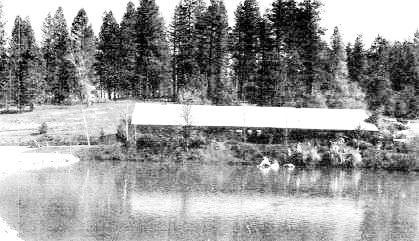
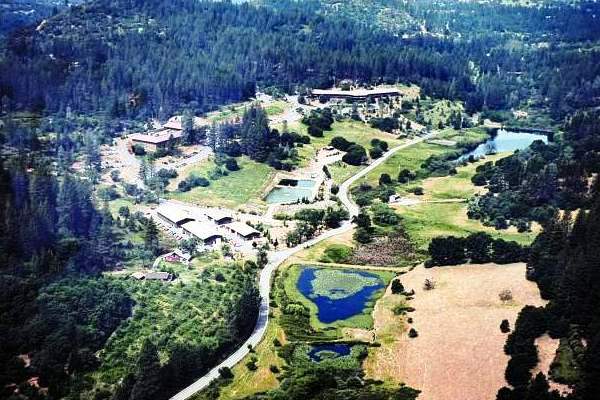
The property that Hare bought back in the last article, on Bitney Springs Road, came to be known simply as Bitney Springs. The group now had the money to landscape the Bitney Springs property. Joe Ruess, an area landscaper and nursery owner, was given the task. He naturalized irises and daffodils. In the coming years, employees began to call the plant's entrance Daffodil Hill each spring. The company planted a garden each spring. It included corn, green onions, carrots, tomatoes, peppers, and summer squash. They also planted peach, apple, apricot, and Black Mission fig trees. The fig being Hare's favorite. Grape vines lined the plot. This might be due to Hare's childhood memories of his father's vineyards.
Hare disliked watching any creature die. This included insects, mice, and the rattlesnakes that lived on the property. He never wanted to personally see any die. Even though he once lost a dog to a snakebite. If there was a rodent or bug problem, it was expected to be taken care of out of his sight.
The Bitney Springs site always faced a fire danger. Hare once said that if there was ever a fire that came through and took out the trees, he would have to move as he would not be able to stand the desolation. Much of the property had Manzanita on it. If ignited, it burns very hot and is difficult to extinguish. They kept a gasoline-powered pump with an attached water hose at the lake near the main building. GVG's maintenance crew spent some of their day clearing fire lanes. They also made breaks through the brush to help minimize fire spread if one erupted. They even created another pond to increase the amount of water available to fight a fire.
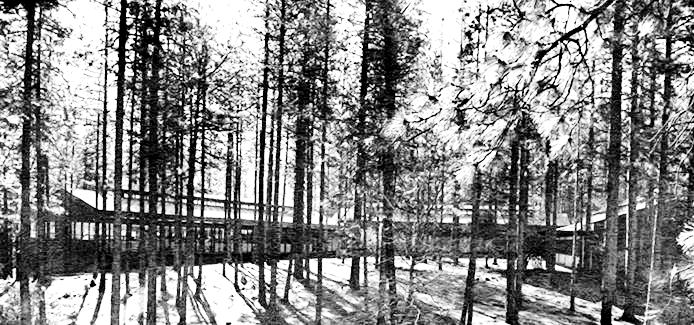
Most of California, including the Sierra foothills, has a Mediterranean climate. Winters are wet, but summers are dry. Most of the rain happens in the winter, and often an entire summer will see no rain. Summer rain often comes from thunderstorms, bringing lightning and a fire risk. The state's nickname, "the Golden State," has various origins. It reflects the golden poppies that bloom in spring and the dry grass on summer hills. It also ties back to the gold rush of 1849. That said, there is a closed mine on the Britney Springs property.
In 1966, sales doubled compared to the previous year. Net profit increased five times, and the company's net worth tripled. Many TV stations used to equip their facilities entirely with RCA gear. This company provided nearly all the tech needed for broadcasting. They offered cameras, transmitters, and even the antennas on top of towers. Those antennas weren't like the usual ones that used to sit on rooftops. They were huge, weighing between 10 and 15 tons. That was because of the mass of metal that was required to handle the massive RF power emitted by them. The mass was important not just for the RF. It was also for the heat from the byproduct of sending the signal out to the horizon.
More TV stations now wanted GVG gear along with RCA, GE, and other big vendors when equipping a facility. The amount of product sold grew so much that the Group needed to think about building a second building. Hare chose not to remove trees from the current property. Instead, he placed an option on a nearby open field that was once used for cattle grazing. By the end of the year, the Group owned the property. They quickly planned to build another building like the first one. This choice helped save time since orders were rising and lead times were getting longer.
Business grew so much that Hare didn't want to take government sales. This was especially true when the State Department wanted to order more telephone gear. They now had far more lucrative items to produce. The Group would take orders from government agencies for standard off‐the‐shelf equipment.
Also, in 1966, the model 700 DA was redesigned and became the model 900. The 900 became a staple in broadcasters' equipment racks for the next 20 years. With the increased success, they appeared at NAB in 1967. Now they had a professionally designed booth, though it was still modest. Hare was concerned that strong orders might lead to delays in filling them on time. A production manager was hired for the first time to meet increased production needs. For the second time that year, the circuit board assembly, or "stuffing," department was expanded.
The group could now buy real video monitors from Conrac, the industry standard. This was a big change from modifying consumer TV sets, a process called "jeeping."
In 1967, Hare chose to take the company public. He wanted to raise capital for growth and lower the tax rate on retained earnings. More capital would allow for more retained earnings. It would make it easier to recruit engineering talent. The company could offer stock options.
At that time they formed a sales company. Si Krinsky became president and received 20% of the sales company's stock. Krinsky was a manufacturer's rep. He sold for several similar companies. He already knew GV and could sell its products. At first, he was reluctant. But eventually, he decided to focus on one company: Grass Valley.
1967 was a banner year, with sales and net profit up 47% and 66% over 1966. Sales came in at $1.365 million, the first year they broke the million mark. The company went public at $10/share. This would also make it easier for the growing company to acquire other companies.
In December 1966, Hare traveled to Palo Alto. There, he hired three engineers: Robert Cobler, Jerry Sakai, and Bill Barnhart. Cobler came to work from CBS, where he was in charge of putting together their first color studio. "I was offered a job at The Group mostly because I was the only guy familiar with some of the equipment they wanted to manufacture," Cobler said. The company he said, "were getting pressure from the sales company to make switchers, so that's what we did."
Switchers, also called video switchers or "vision mixers" in Britain, became important for the company, as we'll see soon. Over time, the Group emerged as the leading player in video production switchers. They introduced their first model a year later, in 1968. Switchers let you combine graphics, effects, and many sources into a complex video mosaic. Oh yeah, this is all done in real time while the newscast, sporting event, or entertainment show is happening. Unlike today, there were no desktops or laptops back then. Let us introduce this piece of gear that became so important and central to the company.
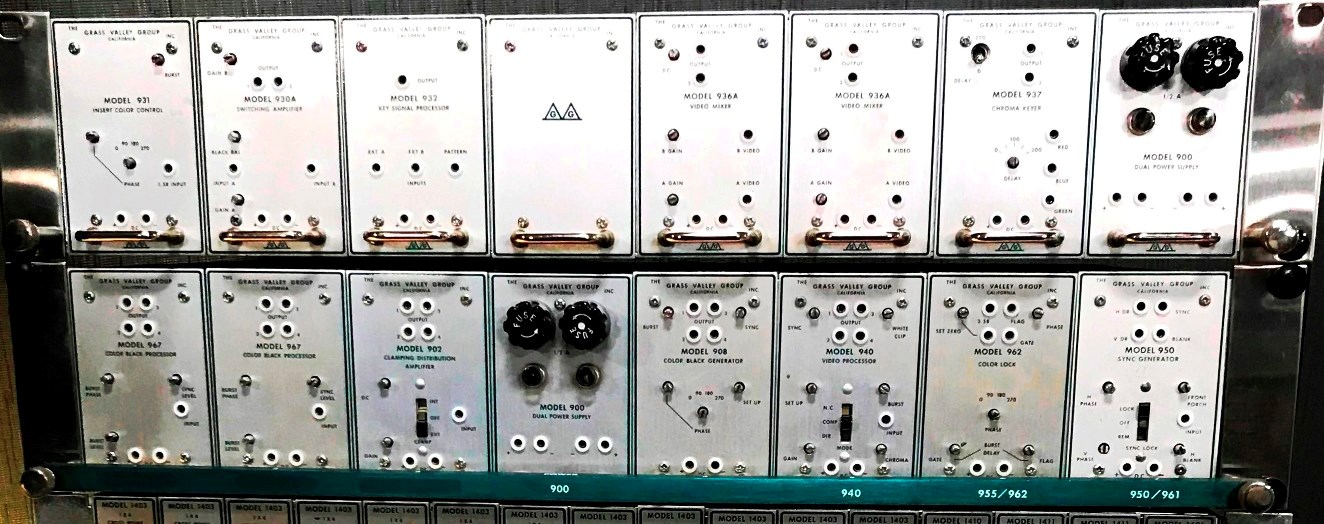
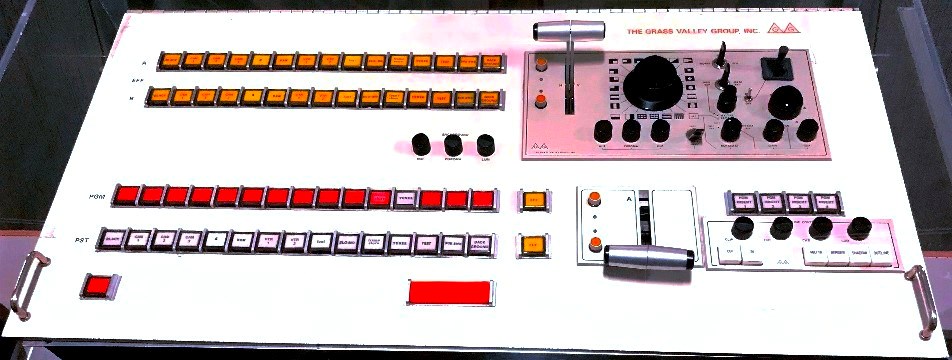
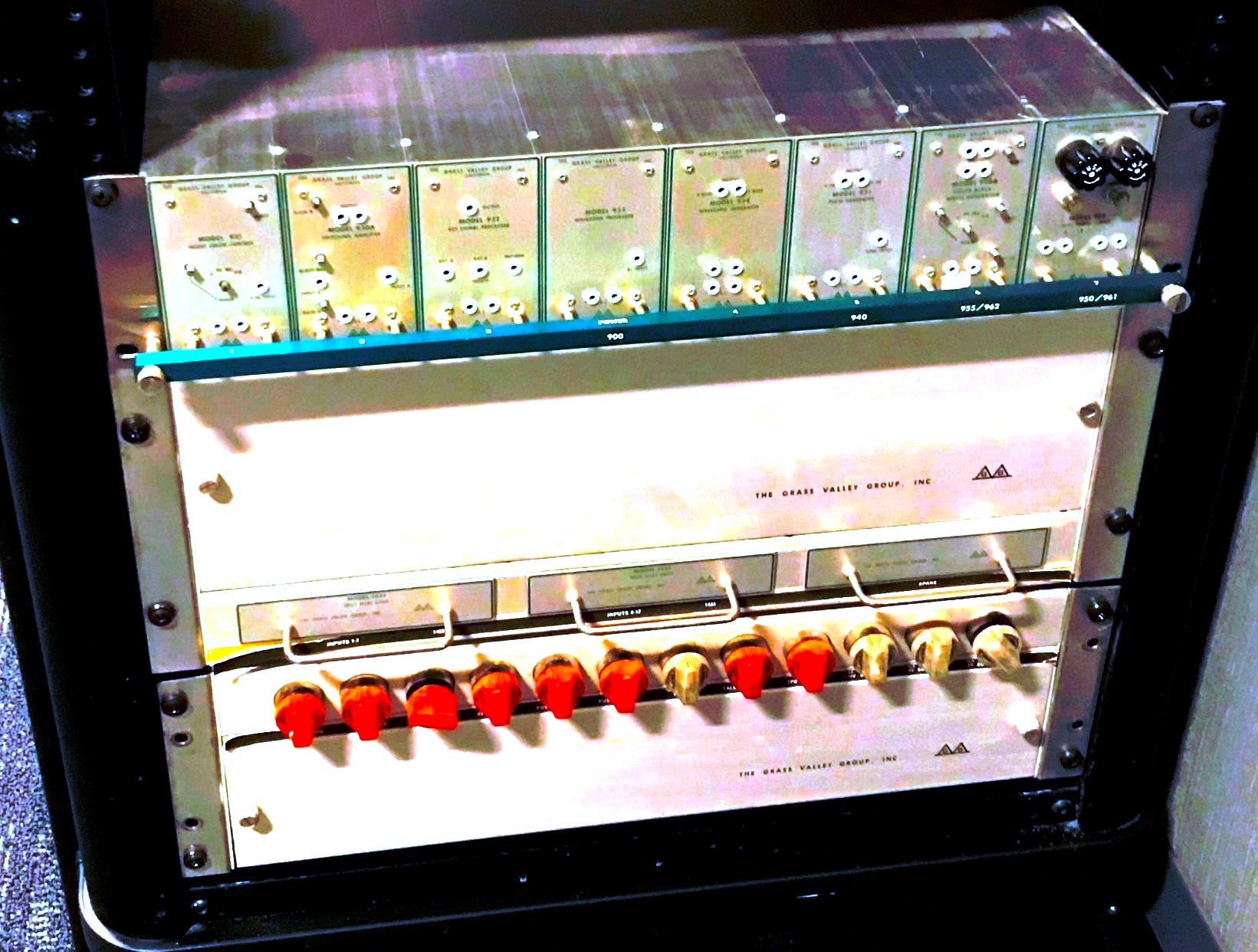
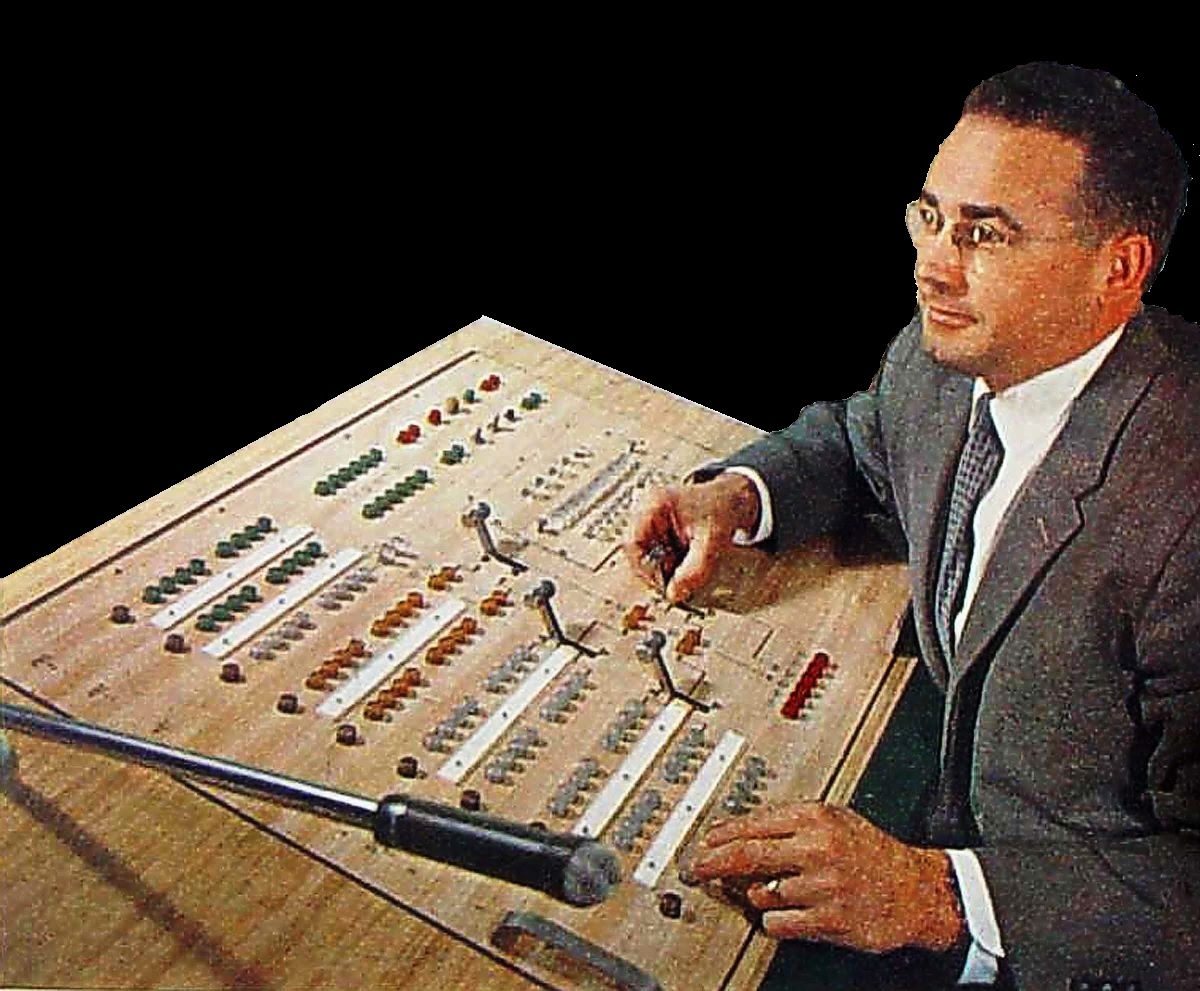
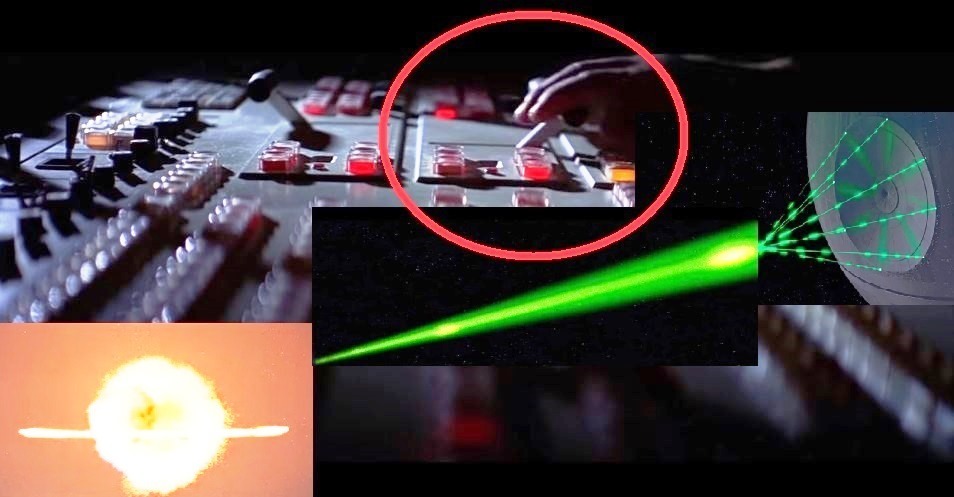
A video production switcher has historically consisted of two components, an electronics chassis, or tub as it is sometimes called, that has most of the electronics, and a control panel, that since the 60s has looked like something that should a be prop in a space mission control scene. In fact by the mid 1970s the group had enough of the high‐end video switcher market that one of the props used to destroy Princess Leia's home planet of "Alderaan" in the first Star Wars film, was a video 'fader bar' on the next generation of Grass Valley switchers, the 1600 video production switcher, which was introduced in 1973.
 "249" border = "10" align="left">
GVG's first switcher commenced development in the fall of 1967. The company had a little over 60 employees. Hare was counting on the introduction of switchers as a way to expand the company. The plan was to get the switcher to the 1968 NAB in Washington, D.C. the next spring. To meet this tight deadline, four new engineers and Engineering VP Bill Rorden led the project.
The first task for the 1400 project team was to evaluate the competition. Production switchers had been around in the industry for a while. Hare commanded that their second task was to figure out how to do it better. Product reliability and usability became areas of primary concern. Jerry Sakai noted, "At that time it was not uncommon for a customer to spend weeks getting a new production switcher online." Sakai said that one of their design goals was that the 1400 would work when it came out of the shipping crate. To accomplish that, he said that they had to do "some clever things ‐ not fancy, but clever."
Sakai continued, "We began with the overall system layout. Next, we carefully analyzed all controls and circuits in the existing switchers. After that, we re‐engineered everything to make a reliable, user‐friendly switcher. Cosmetics were secondary in importance to the switcher's dependability.
One of the tricky problems the designers faced was how to mount the pattern "positioner." It wasn't the most critical issue, but it was perplexing. This is one of the first instances of what today would be called a joystick. They needed a hemisphere‐shaped mount that would allow free movement of the joystick. A fancy way of saying a sphere cut in half. Originally, they found a vendor of such a part. Before the switcher was done, they found out the vendor couldn't deliver it reliably. The solution? They cut a pink baby rattle in half, drilled a hole in the center, and painted it black. So the joystick was mounted on the top of the rattle. "We must have bought every baby rattle in Grass Valley," reflected Cobler.
NAB arrived after five months of six‐day weeks and 12‐hour days. The final week before the show was a marathon session. "I spent the last 36 hours at my bench. I was debugging a design and then built two breadboards," Sakai remembers. "When the truck finally left, all I could do was go home and sleep."
Later, the group would see that, like many vendors of high‐end complex systems, that were headed for NAB, this would be the norm. Product marketing and management often struggled to decide what to showcase at NAB. Sometimes, they didn't make choices until late in the previous year or, even worse, into the new year.
The 1400 production switcher displayed at the 1968 NAB show was fully functional. At GV as with many vendors, they ocasionally had to use some tricks to make a semi‐functional piece of equipment appear fully operational. The 1400 displayed that year contained 12 video inputs and a video mix/special effects system. It also offered 24 wipe transition patterns, effects re‐entry, and external, matte, and chroma keying.
The 1400 displayed was bought right off the floor of the show by KVII of Amarillo, Texas. GVG was unprepared for the excitement the new switcher had generated and had not priced the unit yet. Hasty meetings were held to establish a $30,000 selling price. Very inexpensive by today's switcher standards.
The person at the switcher control panel is often called the "technical director," or TD for short. The title comes from the early days of television. Back then, equipment was unreliable. The FCC also had strict rules about what could be aired, covering both content and technical aspects. The electronics in TVs back then had limited processing power. Even a small issue with the signal could cause problems. As a result, viewers often complained to the FCC. So the TD was the final arbiter as to what went to air. Today that is no longer so, but the title lives on.
This doesn't mean the person there today lacks skill. They are skilled but don't have the same technical expertise that TDs once had. Today, switchers have grown so capable and complicated that not all people are able to occupy that position, and not all are equal in skill set. It has been compared to flying a plane, or even playing the piano. Using the flying a plane correlation, most pilots can keep the wings level and do simple maneuvers. Only a few are any good at doing acrobatics. The same is true with the switchers. Many claim most users only use 25 percent of its capability. The virtuosos are in high demand.
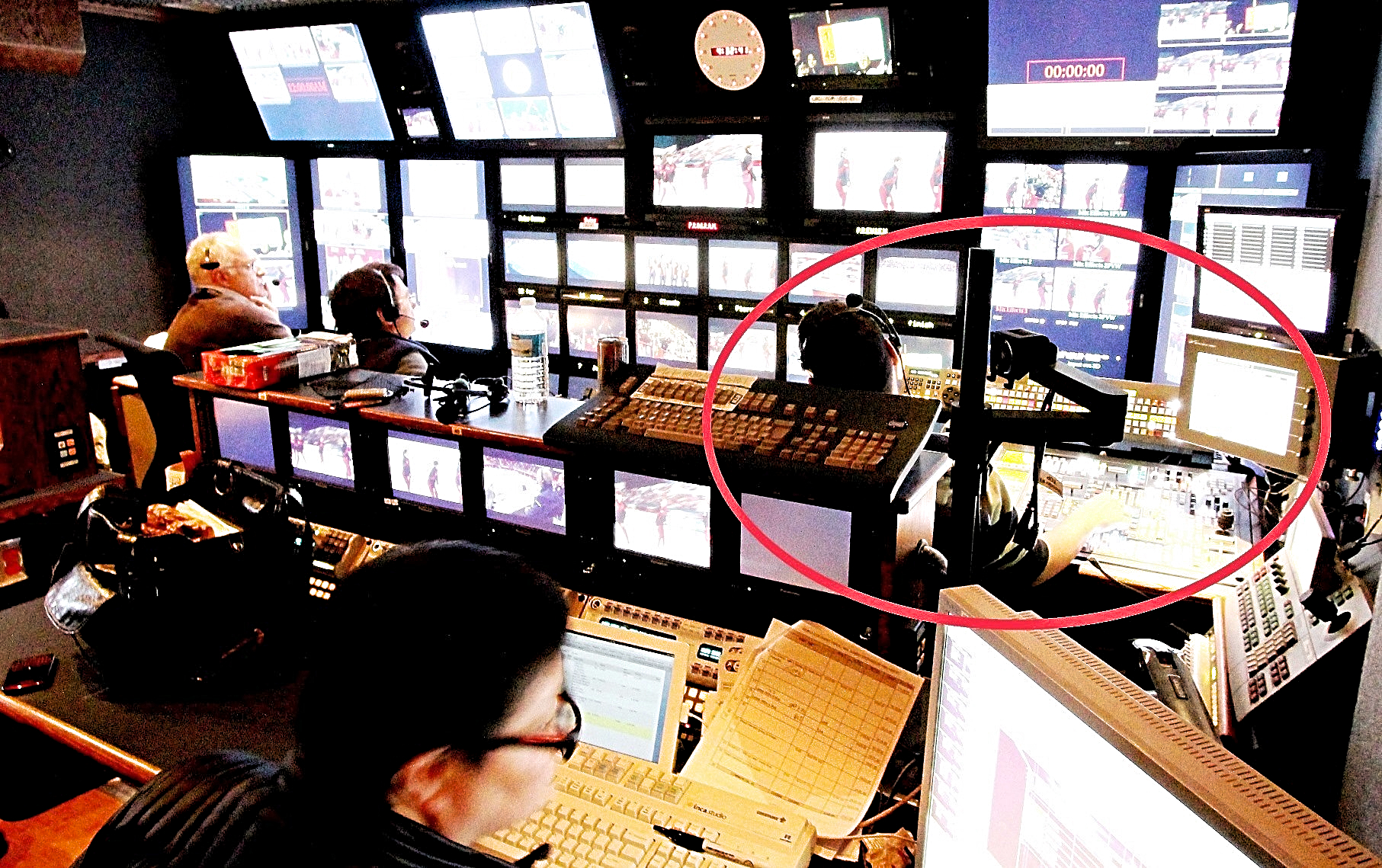
The control panel layout features rows of buttons. Each row has the same labeled push buttons. But there is a method to all the madness as they are color-coded in groups of two to four rows. The top group is typically white. The next group, with two to four, tends to be yellow. Then comes orange. The bottom group is usually red. Each group allows for a set of layers and mosaics to be created. The elements put together in one set of rows can then all be layered on top of another group and so on. So, the result can be quite complex. The control panel works like a trickle-down effects factory. A TD can set up a split image in the top group. Then, they add a background in the second group. Finally, they lay a banner graphic over everything in the third row.
The bottom line is that all the buttons let the TD make quick changes as a program or event unfolds. They also provide a quick view of how the "freight train" is coming together. The TD works under the show's director. The director calls out effects, camera cuts, and dissolves. The director works under the producer's supervision. The producer owns the show's vision and content. They help guide the director to bring that vision to life. The final result brings together all sources into layers of video, graphics, and other effects. All in real time.
By mid‐68, GV got requests for quotes on 1400 units worth over a million dollars. They also had firm orders for five switchers. Switchers were expensive devices. Depending on the options, they could cost over $100,000 in the 1960s. Over the years, switchers had shipped with price tags of over $500,000.
Grass Valley did not invent the switcher; they had formidable competition waiting. Of course, there was RCA, along with other established vendors with names like CDL, and Vital. What made GV believe they could compete? Was it just their experience in simpler areas? Many people in the industry wanted features that weren't widely available. GV believed they could provide a better product by including those features as standard. They also noticed that their existing DAs and processing amplifiers provided much of the needed internal electronic infrastructure required by a switcher.
They truly made their mark by believing they could create a better control panel. It would feature a more ergonomic, human-friendly interface. Which they did. The individual buttons on the control panel felt smoother and more positive. Grass Valley secured patents for certain features of the new switchers. Before long, TDs were using the term "Grass Valley look and feel" to describe their control panels.
Cobler said the key was superb engineering. "Reliability was the factor," recalled Cobler, who stayed with the company 25 years. "Our switchers worked right out of the box. It was a plug‐in, and you didn't even need a screwdriver." Switchers up until then were notorious for needing lots of setup before they were usable. Vital and RCA were notorious for switcher reliability. Switchers were vital, no pun intended, to the operation. While losing a camera would hurt the show, losing the switcher would shut down the show. It was not uncommon for users of RCA's commonly used TS-40 switcher to refer to the prefix as "Tough Sh!t!"
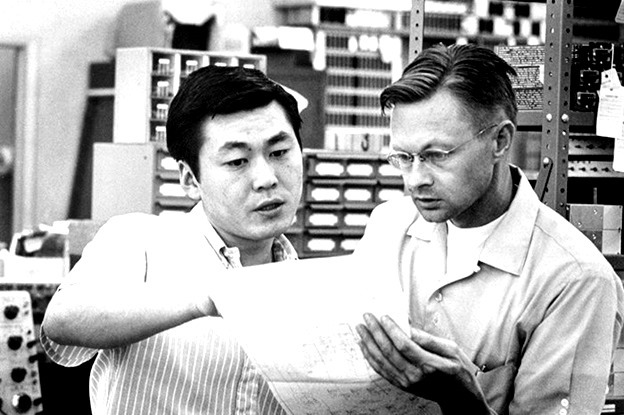
Hare put Cobler in charge of the engineering and design of the switcher product line. Jerry Sakai took on the role of production manager. He needed to fix a bottleneck with circuit boards that failed early tests. Growth was such that three more buildings were added in 1969. The buildings, spread over 120 acres among the trees, resembled a college campus more than an industrial park. By 1970, half of sales were for video switchers. For a long while after that, even today, GVG has dominated the switcher market.
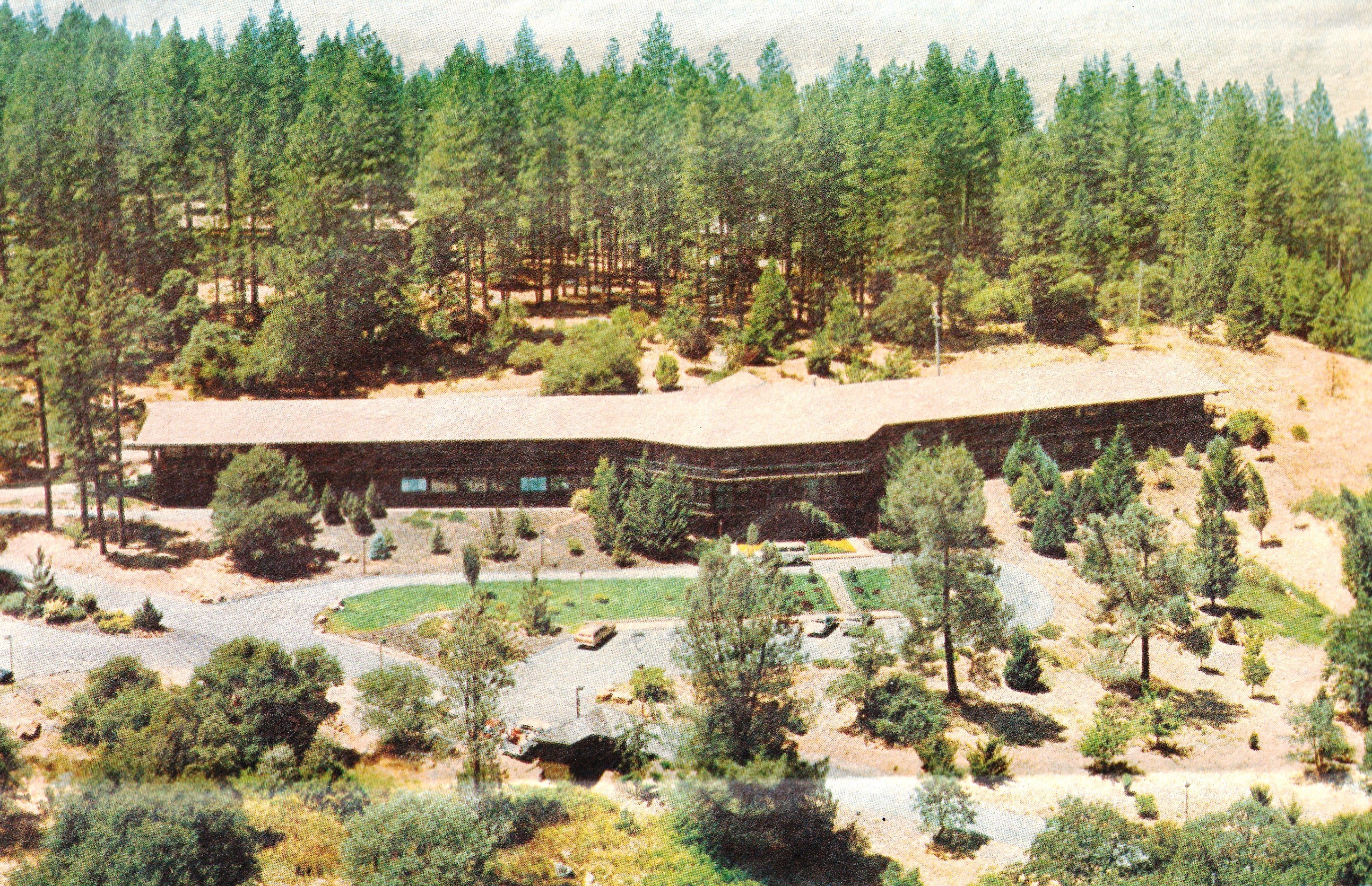
GV simply kept adding refinements and features faster than anyone else could. New special effects were added, and a new integrated circuit was used in the video switchers mixing circuitry. It eliminated the need for studio technicians to make periodic and tedious adjustments.
Growth did come with a setback in 1969. The small company's "we're in this together" culture faded a bit. This happened when IBEW organized the production and maintenance workers. Negotiations started on June 5 of that year. The union said that Hare refused to talk to them. Jim Ward was the person who was negotiating with the union on behalf of the company. The union was representing 65 of the approximately 100 people employed at that time. They couldn't agree on wages, so the workers went on strike in August. Replacement workers were hired, and production continued. After months without an agreement, the union filed a claim with the NLRB. They said the company was not bargaining in good faith. The NLRB ruled against the union, and it eventually abandoned its efforts to obtain a collective bargaining agreement with the group. Hare never quite thought the same of the rank and file from then on.
On January 19th, 1970, the company's stock was listed on the American Stock exchange with the symbol GVG, as up until then it was an over the counter stock.
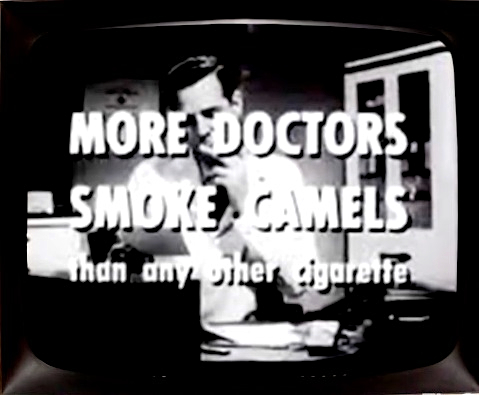
The rest of the year was tough for the company. The economy was slow, and there were worries in the TV industry. They were concerned about the January 1st, 1971, ban on cigarette ads and its impact on revenue. So, the industry held back on investing in new equipment. While the group still made a profit, it was not what the previous years had been.
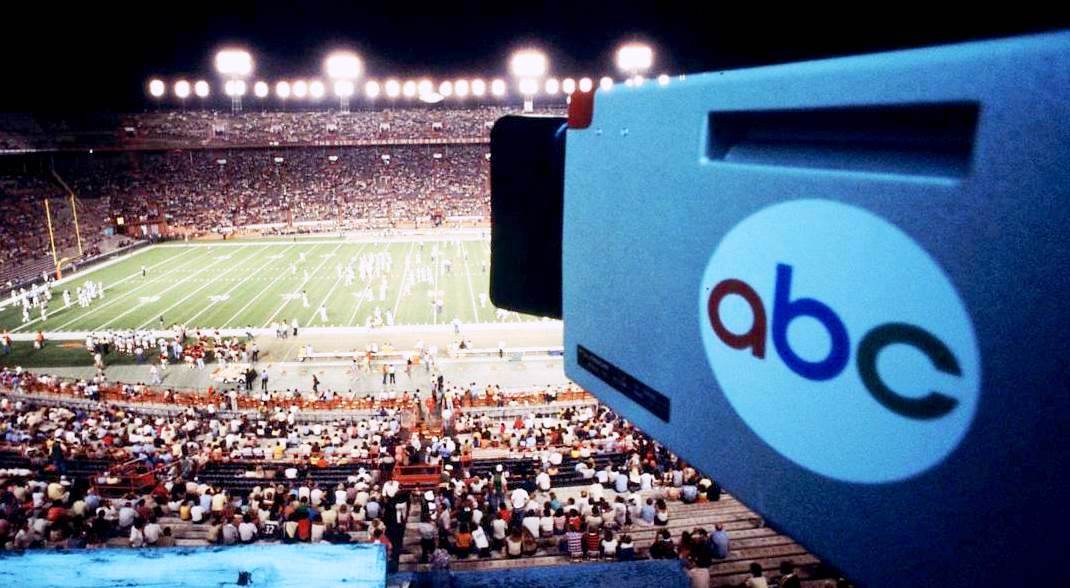
"ABC liked everything about our switchers," quoting Jerry Sakai, "but they were a little nervous about this little company we had out in the boondocks." But nonetheless, ABC continued to be a major customer of the Group, and in ways looked to the company as their engineering lab. As mentioned earlier, RCA and CBS Labs stood behind NBC and CBS, respectively. And as we have seen, ABC was as innovative as anyone. They started looking to the Group more often.
In 1970, Roone Arledge struck again with something thought foolish at first. Although CBS had done a few Monday night NFL games, as had NBC, neither network was interested in regular MNF. Rozelle went to ABC. They were hesitant, but he threatened to sign with Hughes Sports Network. ABC, worried that its weak Monday night lineup might lead many affiliates to show the game, decided to air it. As already mentioned, Arledge's genius was in turning it into a spectacle. He added drama and story, plus a unique announcing style. This made it a must‐see event.
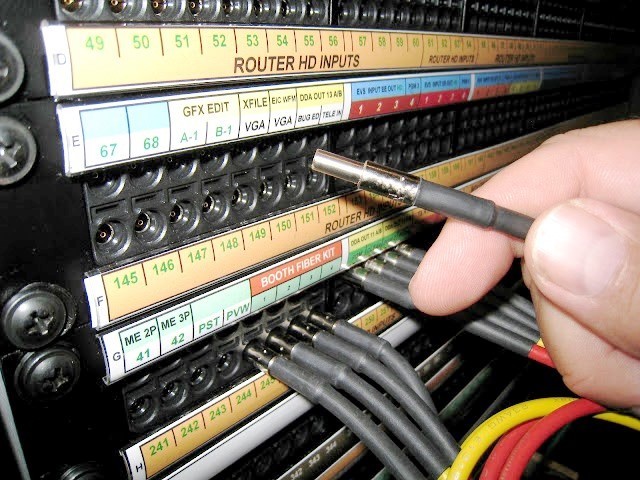
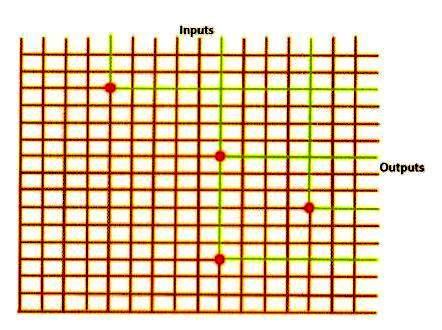
Later in the 70s, but indicative of ABC's and Grass Valley's mutual symbiosis, Julius Barnathan, VP of Engineering at ABC, another visionary, had an idea for a new product. He talked extensively with Rorden and then traveled out to meet with him and Hare. His idea was what is known as a video/audio routing switcher.
He wanted something that would allow as many as 60 output video and audio feeds to select any of 100 video and audio inputs. Up until that time, if you wanted to do that, it was done with manual patching. To do what he required took 6,000 electronic switches, or crosspoints as they are called, for video, and another 6,000 for audio. It occupied eight full‐sized equipment racks. It cost $525,000. It was the first of its kind. It did not come from CBS Labs or RCA; it came by taking an idea from ABC and making it a reality in Grass Valley.
In the 70s, GV made its debut at the International Television Symposium in Montreux, Switzerland. That is NAB for the world. In 1971, the company opened sales offices in six major cities. By 1972, sales hit $4,658,000, earning $1.066 million. A milestone was that no single customer made up more than 5% of sales. Also, this was the first year the group paid dividends to stockholders. In 1973, GV introduced its second generation of switchers, the 1600 at NAB. The electronic architecture was brand new. The switcher was far more capable than the 1400. This new offering also refined the control panel interface that had won over many more TDs. It was the control panel that made GV switchers so entrenched. Total employment at this time was 130. Outside suitors took note.
1973 marked the first ownership change of many to come for the company. This first marriage was with Tektronix. Under the merger plan, one share of Tektronix stock was issued for every three shares of Grass Valley Group. This involved approximately 500,000 Tektronix shares. Culture, direction, and inertia were about to change.