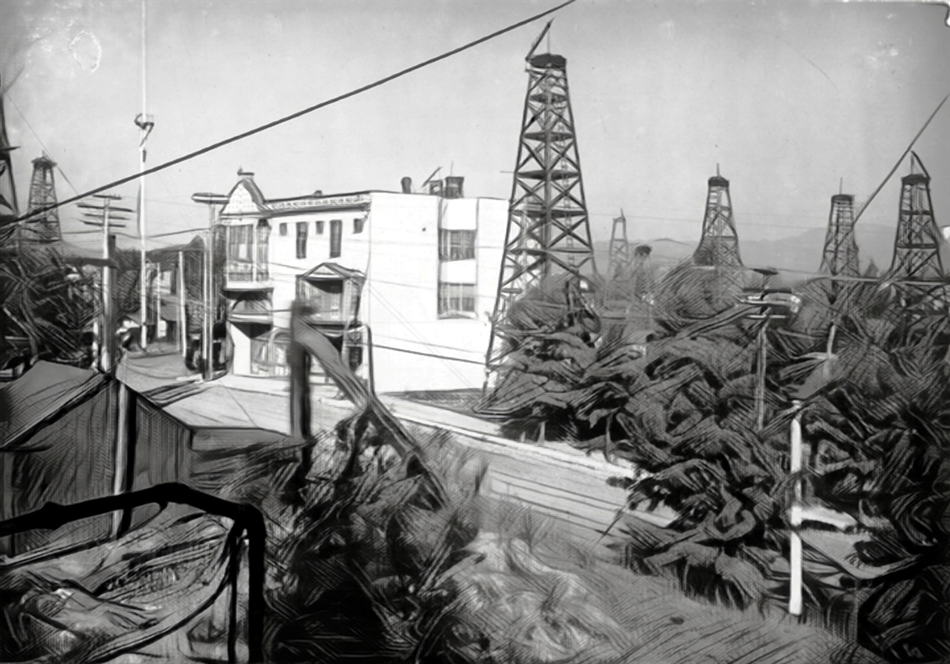
I've heard people ask: Why is Los Angeles where it is? Why is there a megatropolis in the southern part of a water‐scarce state? This area has less water than the north. Oil. The Los Angeles City Oil Field was discovered in 1893. The area grew up on the extraction of liquid gold. In the 1920s, the area produced over one‐quarter of all the world's oil supply. But not for long. By the 1930s, most of the easy‐to‐reach oil was gone. Plus, the land under and around the oil field became prime real estate for the growing city.
In the early 1900s, the movie industry discovered that the area had great weather, diverse landscapes, affordable land, and less patent lawsuits. Who's patents? In the early 1900s, Thomas Edison owned important motion picture patents through his Motion Picture Patents Company. He actively sued independent filmmakers.
Most of these early filmmakers worked in New York and New Jersey, close to Edison's base in New Jersey. Filmmakers moved west to avoid Edison's reach. There, patent enforcement was weaker, and federal courts were slower and more lenient.
Today, many forget how important oil was to the Los Angeles economy. Today, the area fights to keep its "Tinseltown" name, as it has became an entertainment mecca.
On a much smaller scale, a small town in Northern California became famous in the global television industry. At least in the technical halls of that industry. Why? Actual gold. No, not because gold has any connection to the electronics industry. Because gold made many people rich. A local entrepreneur, skilled at finding gold where others failed, he chose to invest his money nearby.
We will look at his story and what it laid the foundation for. Literally!
We will also look at a second gold mining tycoon who made much more money than our hero. Both made it in the Grass Valley area. But while one kept his investments primarily in the local area, the other transferred the majority of his wealth out of the region. Our story would be radically different if both gentlemen took the money and ran!
Grass Valley and neighboring Nevada City came to be because of gold. In 1849, when the rush began, miners mostly ignored property rights. They hurried to rivers where gold was concentrated. There, they could use simple placer mining techniques. Gold is heavier than most materials, so it settles first in slow‐moving water. Miners began by panning for gold. They scooped up alluvial deposits and added water. Then, they agitated the pan to help the gold settle at the bottom. As they did this, lighter materials were flushed away. This process was quite inefficient. It could take around 10 hours to handle just one cubic yard of material. Early on when panning was in its infancy, that was not a bad proposition as there was plenty of easy gold for the picking, as they say.
From this simple process, an industry arose. The two people we will examine had different perspectives on the towns that grew in the area. As already mentioned, one laid the foundation for what the area became after mining.
First, let's examine the gold mining tycoon who came a generation before the second.
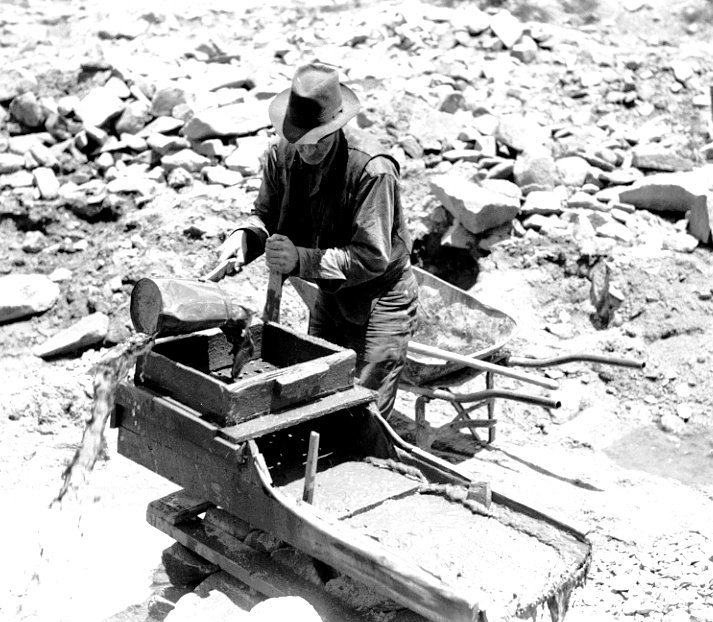
Soon Miners adopted more efficient methods. They used a rocker box (or cradle) to process more material at a time. It had a rocking box with several screens and riffles. Channels at the tray's bottom separated heavy gold from lighter material. The lighter stuff was slowly flushed away. It allowed the miner to process three or four times as much material at a time as a simple pan would.
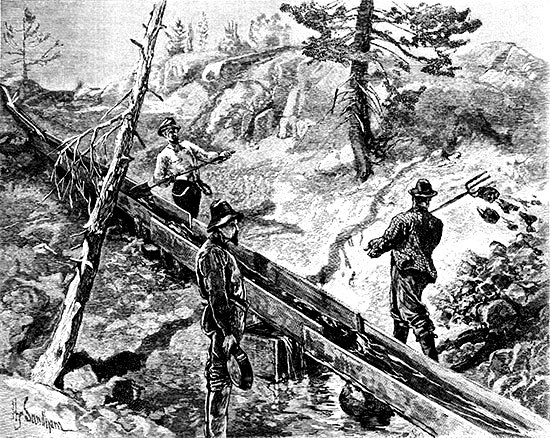
Next up on the scale is a sluice box. It lets you drop shovelfuls of material in from the top while water flows through it. This setup helps separate valuable materials. Again, sets of riffles along the bottom of the box would trap the gold. While this can process lots of material, it is claimed that it only recovered 40% of the gold shoveled into it. So, the tradeoff was more material could be sifted through at a time, at the expense of gold that went unrecovered. But the volume of soil processed won out.
By 1850, most of the easily accessible gold had been collected. Now, gold miners got more aggressive about hoarding the sites that still might harbor easy to harvest gold. There were some organized attacks on foreign miners, especially Latin Americans and Chinese. The newly founded California Legislature in 1850 passed a foreign miner's tax of $20/mo. That would be over $600/mo today.
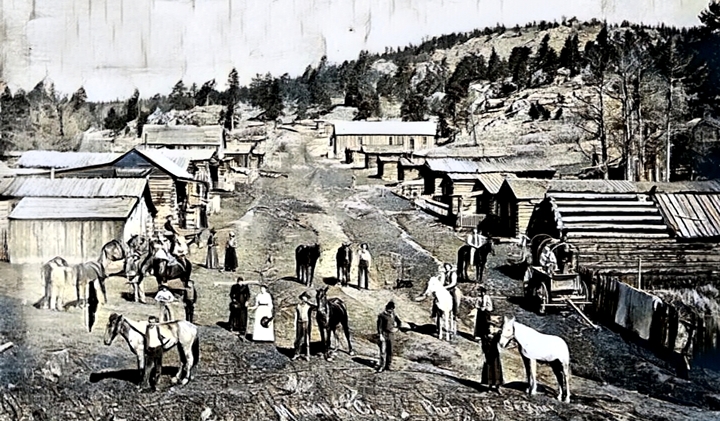
The outsiders brought diseases, and the miners began forcing Native Americans off their lands. Some responded by attacking the miners. This led to attacks against native villages. Being outgunned led to massacres of the natives. Those surviving often starved without access to their food gathering areas.
This led to a temporary military post being erected southwest of Grass Valley, near present day Marysville. For three years Camp Far West as it was known, was strategically placed to safeguard the travel routes to the area's mines. The post's commander Captain Hannibal Day, noted that the hardy and well‐armed miner was being defended by an under‐fed and scurvy‐weakened soldier from "a miserable race of savages . . . armed only with the bow and arrow." That said much about the plight of the natives and their treatment.
Over time the individual miner gave way to industrial scale mining as most of the easily accessible surface gold had been recovered. One of the three ways of accomplishing this was with hydraulic mining. By 1853, this new level of intrusion to extract gold was in use. Hydraulic mining used high‐pressure water jets. These jets targeted gravel beds along the river and also entire hillsides and bluffs. The loosened gravel would then pass over sluices. This resulted in large amounts of gravel, silt, and other materials being washed downstream. The major economic advantage of this method was overhead. Hydraulic mining used only a quarter of the manpower needed for other mining types to extract the same amount of gold.
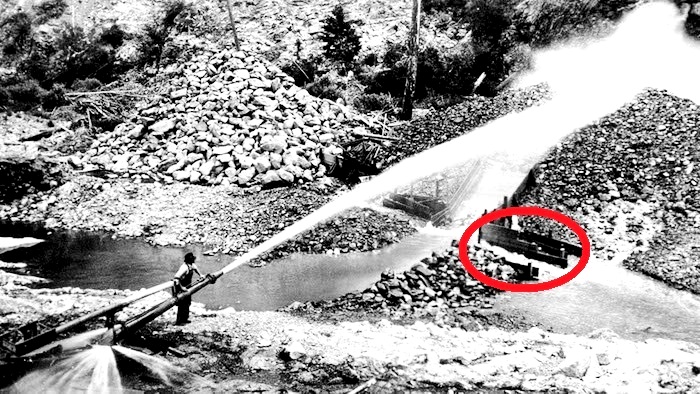
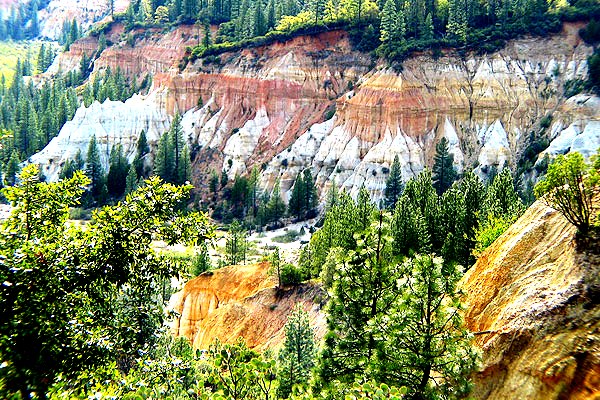
The areas where this mining occurred still show damage. The topsoil is gone, and the rock underneath can't support plants. One of the worst examples of this type of mining is just north of Grass Valley. It's across the South Yuba River canyon, on a ridge between the Middle and South Forks of the Yuba River. This area became known as the Malakoff Diggins.
In 1866, the North Bloomfield Mining and Gravel Company was formed to mine this area. By 1874, they had dug a 7,800 ft drainage tunnel through a ridge. This helped process 50,000 tons of gravel each day. Seven giant "monitors," or water cannons, worked around the clock to do this. To allow the round the clock operations, an early use of high intensity electric light was installed. The waste tailings, or slickens, were dumped into the Yuba River. This action destroyed farmland all the way down to Sacramento.
>Downstream, much of the tailings choked rivers and stream beds. Some areas downstream saw those beds raise approximately 100 feet. The I Street Bridge in Sacramento had to be raised 20 feet. Eventually, this situation led to one of the first environmental court decisions. The Sawyer Decision stopped this type of mining in 1884. They named it after the judge who made the ruling.
One result of this mining was river dredging. This method cleared debris from waterways, reaching all the way to San Francisco Bay. This dredging was also applied to the Yuba River near Marysville. By 1904, most dredging moved away from the river. This area became known as the Yuba or Hammonton Dredge Field. It was named after the man who began there with two dredges.
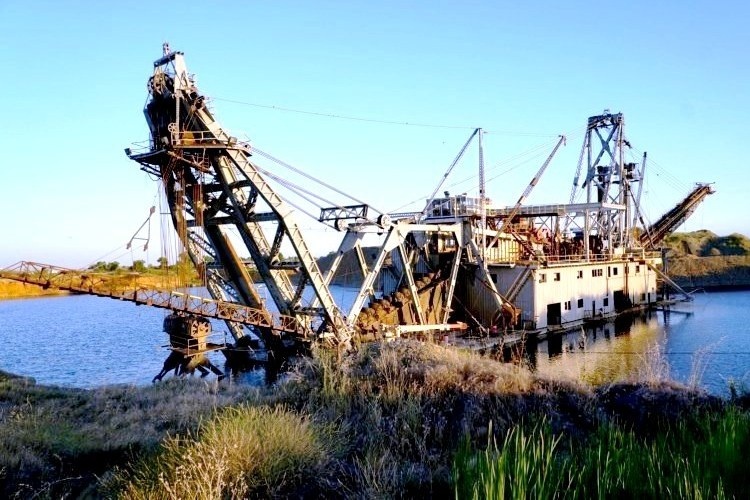
The dredges look like big flat‐bottom riverboats. They have a bucket line conveyor at the front. This conveyor scoops up material and moves it into the boat. Inside, the material is usually dumped into a circular rotating screen that slopes downward. As the material moved through the screened tunnel, it hits a small mesh screen. This screen lets fine material, like gold, filter out. As the material moved through the tunnel, it hit a larger mesh screen. This screen allowed big rocks to fall out. The fine material dropped into a sluice box. It worked like smaller ones found by streams. The discarded material, called tailings, was pushed out the back by a spreader, also known as a stacker. It was left behind the boat as tailing piles.
The boat would live in its own man‐made pond, digging its way forward and filling in the leftovers behind it. The pond only surrounds the boat and moves forward as the boat digs its way forward. A lot of gold was left behind, and in some cases, they plowed the same ground again. But by the late 1960s, the extraction of gold became uneconomical and the search for gold stopped. Recent satellite photos show a few vessels in these artificial ponds. They are reportedly digging out aggregate to make concrete. This area from the air is said to resemble a vast network of intestines. The field is about four miles long. It stretches just over a mile south of the river and is 15 miles downstream from Grass Valley.
This was not the only area nearby that underwent the massive dredging. About 50 miles south of Grass Valley, on the edge of the eastern Sacramento Valley was the Folsom Gold Field. This was along the American River, most of it south of it. It stretched 10 miles downstream to Fair Oaks, a suburb of Sacramento. It also went south from the river by six miles. It had dredging operations into the early 1960s. Aerojet rocket engine company chose this area because the tailing piles helped hold back rocket blasts during tests.
Many rivers from the central Sierras had dredging efforts where they met the valley. This aimed to capture gold washed away by nature or released during placer mining but not recovered. While these efforts were not as massive as the Yuba and Folsom fields, they still played a role in gold extraction. It is estimated that most of the gold dug up was lost downstream.
Mining had to go underground. This is the third and most lasting method to extract large amounts of gold. Miners started engaging in "coyoteing." Digging a shaft 20 to 40 feet deep into deposits near a stream and then tunneling out from the shaft. Gold mining continued to get more sophisticated and destructive. Miners at times would divert a creek away from its current streambed and into a sluice beside it. They would then dig out the exposed streambed. But some of those shafts and tunnels radiating out from them got much deeper and longer. Deep shaft mining rapidly became the way to recover gold in the area.
There were three big deep‐shaft mines that survived a fair way into the 20th century, and we will look at them now. One owner, who had the two largest mines, looked outward from Grass Valley. The other focused his gaze locally. As we will see one inadvertently changed the trajectory of the area from a technological standpoint.
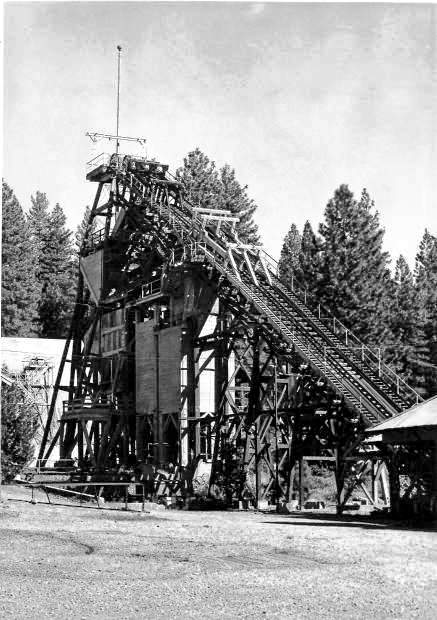
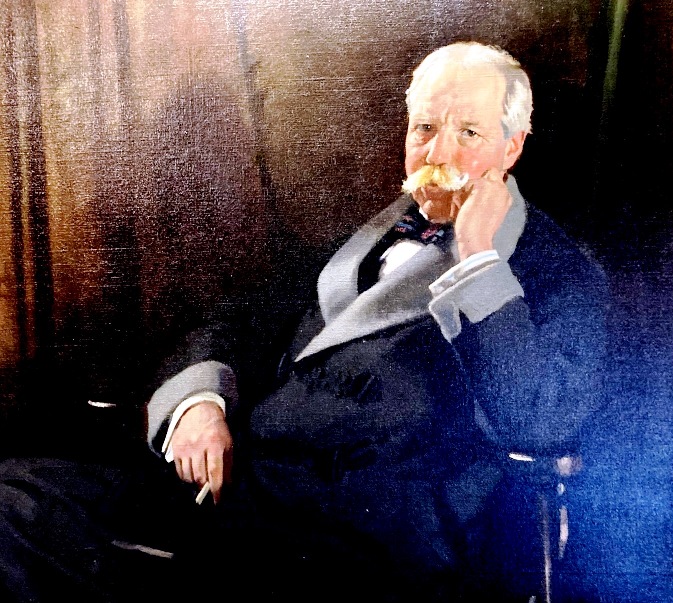
The largest two mines in the area, came to be owned by William Bowers Bourn II.
What helped kick‐start the large mines in the area was that capital and new mining technology flowed back to the area after the Comstock Lode silver mining area in Nevada declined in the mid‐1870s. A company of Mormon emigrants made this silver strike, about 80 air miles east of Grass Valley, and for a while, it enticed many would‐be gold prospectors to become silver prospectors.
The other catalyst for these mines was the Cornish who came to the area. The area still shows Cornish influence today. It hosts an annual Cornish Christmas Festival in Grass Valley. For several years in the 1850s, deep shaft mining stalled at a shallow depth. The problem occurs when you dig deep and penetrate below the water table; water will seek to fill the voids left by the excavation. Enter the Cornish, or Cousin Jack and Jenny as they were called. Cornish immigrants brought their skills in hard rock mining. They had experience and technology from the tin and copper mines in Cornwall. The tin mines in England had collapsed due to cheaper production in other parts of the world. These miners knew how to keep deep shafts dry. They created the necessary pump technology. Each steampowered Cornish pump could remove 18,000 gallons of water every hour. An area mine installed the first Cornish pump in 1855.
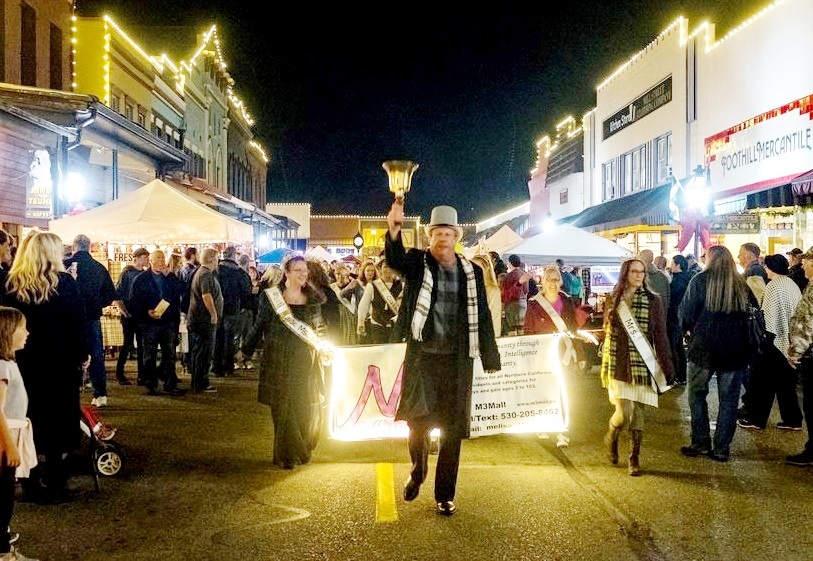
By 1861 most of the hard rock mining was carried out by the Cornish, and they began to form a distinct community in Grass Valley.
The Empire Mine is the oldest, largest, and deepest mine in California. It has 367 miles of tunnels. Between 1850 and its closure in 1956, the Empire Mine produced 5.8 million ounces of gold. Geologists believe that the underlying rock in the area contains between three and seven ounces of gold per ton. In 1854, the Empire Mining Company incorporated the mine site. Apart from World War II, the mine continued in operation until 1957. The mine seemed close to the end of its productive life several times in the 1870s and 1890s. New technology and persistence would overcome defeat, allowing the mine to keep going.
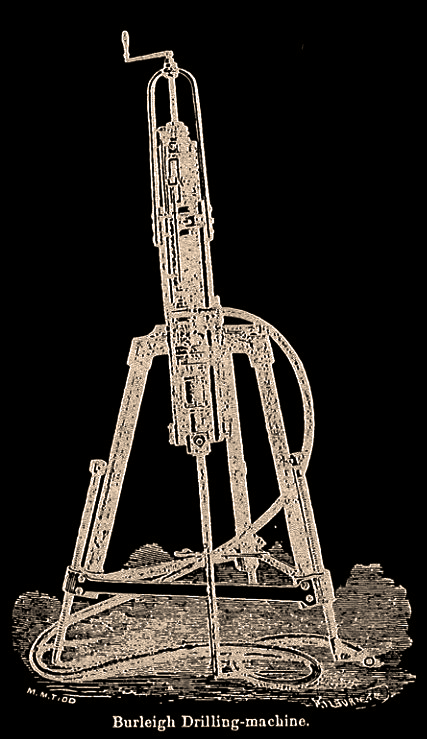
Gold mining has seen big technological changes over time. In 1867, Alfred Nobel invented dynamite. It replaced the more dangerous black powder. Then, in 1869, the Burleigh mechanical drill came along. These inventions sparked a revolution in the mining industry. At first, there literally were sparks involved. The drills, known as widowmakers, were not widely used until the 1890s. This was because they created dangerous rock dust, which could lead to explosions. Miners' unions fought hard against the widowmakers. Finally, the devices were made safer.
The mine reached a depth of 1600 feet in 1886, and they employed 115 men underground, with eight working at the stamp mills. The mine relied on Pelton water wheels. More on these in a bit. These wheels efficiently harnessed the water's energy to run the stamp mill. The efficiency of the Pelton wheel meant that it would work in creeks where the flow of water would not be enough to power wheels of traditional design. Pelton's wheel used cup‐shaped blades instead of flat ones. These blades featured funnels that channeled water, which boosted the pressure on the modified blades.
In 1888, a couple of men died in a blast that destroyed much of the surface infrastructure of the mine. Tensions between labor and management ran high.
In the 1890s, technology made it possible to profitably mine more deposits. This included many large but low‐grade accumulations. Improvements in air drills, explosives, and pumps, along with electric power, greatly lowered mining costs. In 1890, Cornish immigration peaked. That year, the mine added new compressed air drills. These drills made quick work of drilling and avoided the dangerous dust from older models. While these advances allowed for cheaper, safer mining, they required fewer miners.
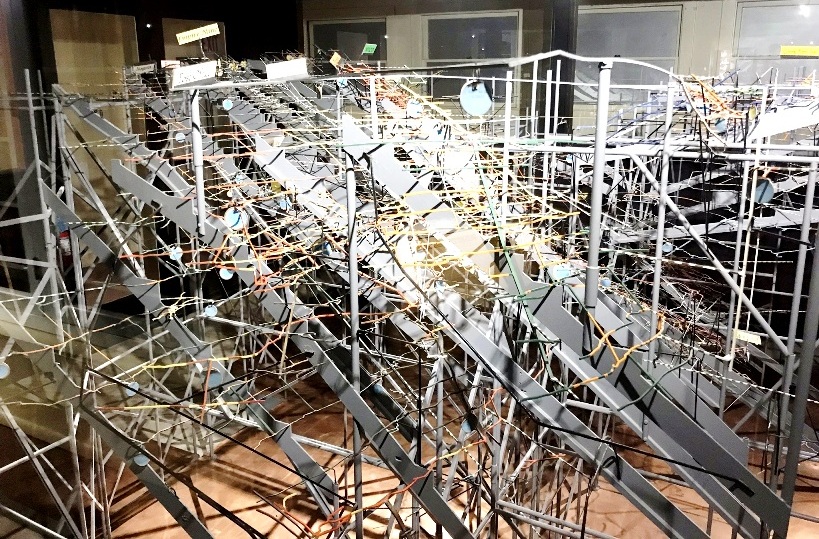
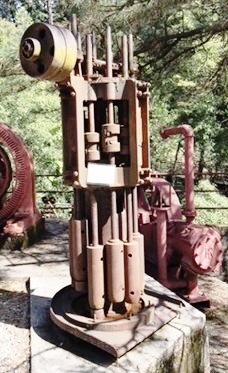
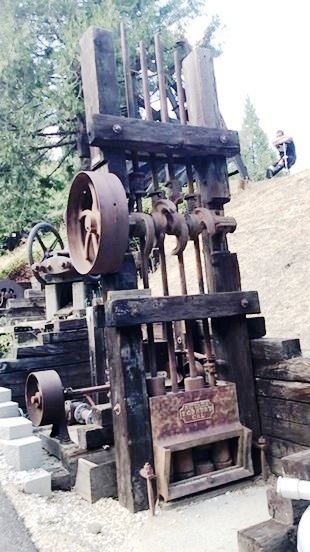
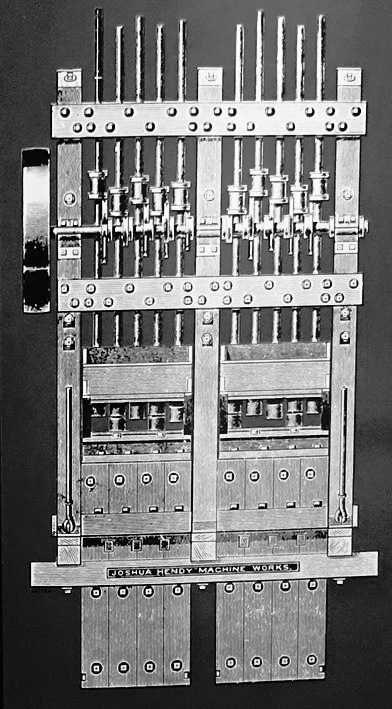
In addition, the introduction of better rock crushers, allowed increases in the size of the stamp mills, and new concentrating devices, lowering milling costs. Stamp mills reached peak size in efficiency, that is the amount of material processed and the percent of gold recovered, during the 1880s and 1890s and were typically powered by electricity instead of water after 1890.
Observers noted that the mines increased in wealth as they attained greater depth. The deepest mines were the richest ones. Many argued that gold mining in general came of age or reached maturity around 1870. Gold mining in the Grass Valley area peaked during a boom from 1898 to 1916.
Right before this local peak, the Empire Mine, in the early 1890s, encountered a barren zone. The owners did not want to invest in the mine during this period. By 1895, the facilities had greatly deteriorated. The mine employed only a few men, while around 100 worked on shares of the gold extracted. The company operated at a loss from 1893 to 1898. At that time, they penetrated though the barren zone and relocated a vein. By January 1899, miners found a rich vein. It paid for recent mine upgrades and even provided dividends.
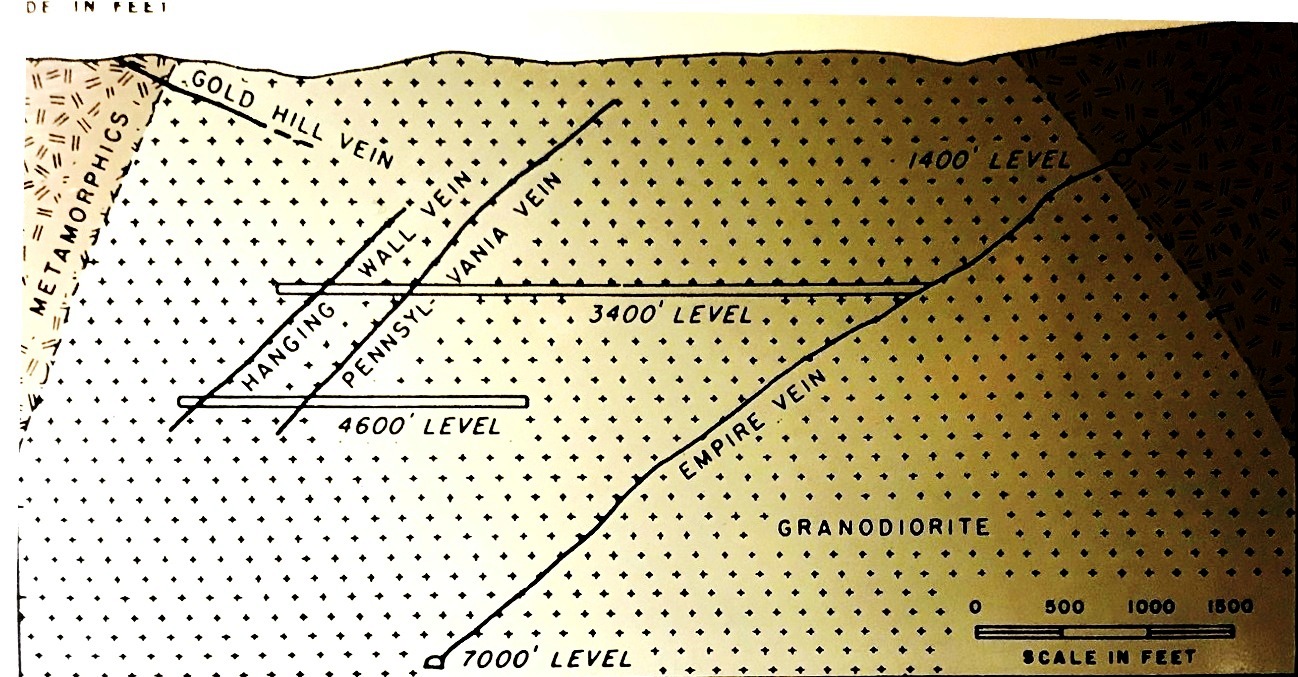
The Empire Mine took over nearby mines and connected them. This joined many mines into bigger complexes. In their zeal, the other big nearby mine to the west, NorthStar, in 1914 claimed that Empire had dug into their claim. The complaint was settled out of court. Around this time, the Empire mine owners started keeping everything secret. They often refused to give data to the state's mineralogist. The mine decided to store wash underground. The mine was almost 4,600 feet deep, and visitors wern't allowed to go below 3,000 feet. So, it made some wonder about how many hidden tunnels were down there. Eventually, the mine would reach a depth of 11,000 ft.
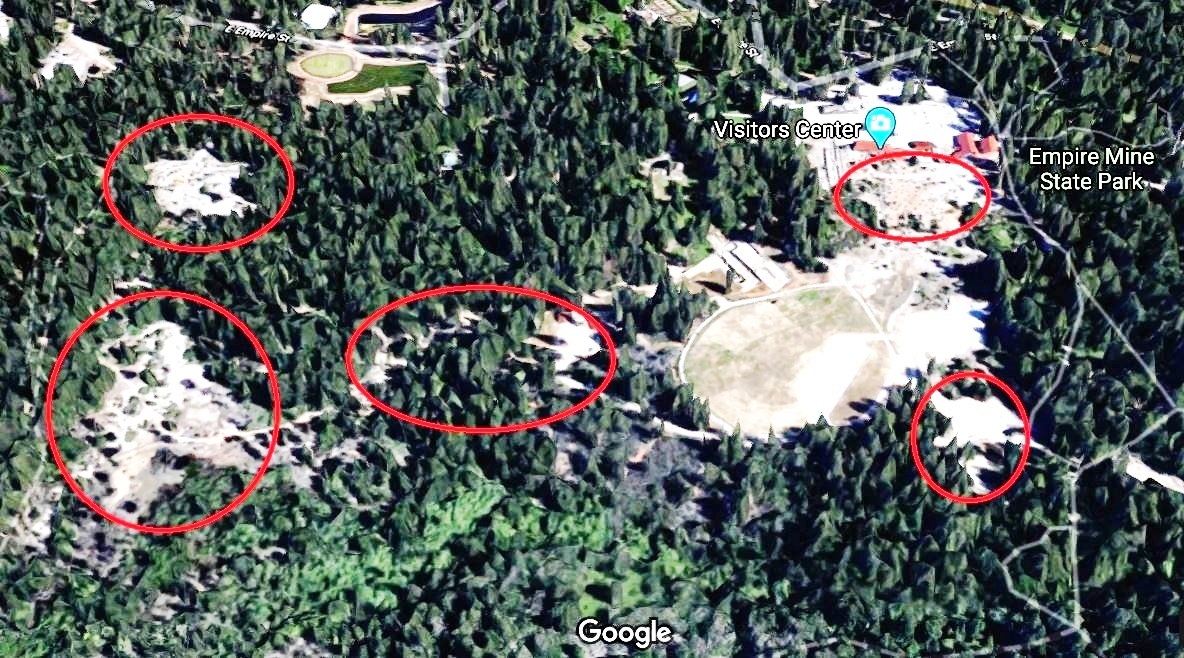
Until 1917, the Empire Mine was cavalier about disposing of its tailings. These were the materials screened for gold. Most of them were dumped without care into nearby Wolf Creek. The California Debris Commission then required the mine to impound its mill tailings. The company built several ponds to dump the tailings into. They also created some piles of material that were as big as small hills. Today, these remnants are considered environmental hazards that have slowly been undergoing remediation.
After World War I, economic inflation heightened tensions between workers and the mines. This led to strikes at the Empire and the North Star in 1919. In 1918, a miner was paid about $3.25 a day; after the strike, they made $6 a day. Tensions continued in the early 1920s. Another source of conflict was that the mines were still consolidating. The Empire bought a nearby mine. It closed the newly acquired mill, and moved everything to the Empire's mill. This change eliminated jobs at the redundant mill.
During this time, the mine bought property northwest of its location. They then gave it to the city to honor those who didn't return from the war. This area became Memorial Park.
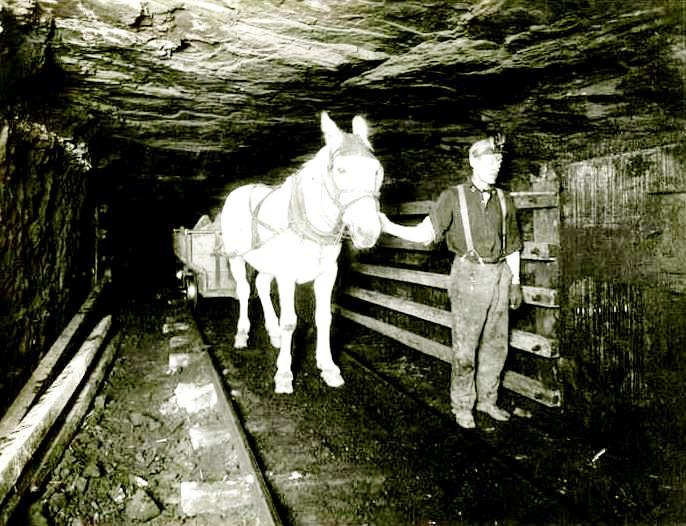
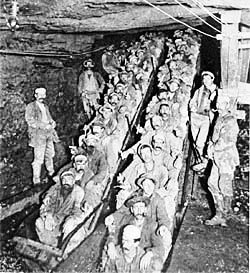
Up until that time, mules lived in the mine's labyrinth and did most of the underground hauling. There were over 40 mules employed that pulled ore cars to a chute for hoisting out. Many of the mules spent 30 years in the mines, never seeing daylight. If they got sick, veterinarians attended to them in the mine. The only time the mules made it to the surface was during strikes. When that happened, the handlers blindfolded the mules and allowed them time to adjust to the light.
In 1923, there were 400 miners working for the Empire Mine. Some individuals sought to boost their income. They smuggled small amounts of gold out of work, tucking it into their clothes. In the 30s, that led to a rigid inspection system after a few workers managed to sneak out a few hundred thousand dollars' worth of gold. After their shift, workers had to leave their work clothes in one room. Then, they walked naked to another room to get them back.
In 1929, the Empire and North Star mines merged operations. Combined, these mines made the complex the number one gold producer in the state in 1930. On top of that, by the end of 1930, a new vein at the Empire was discovered.
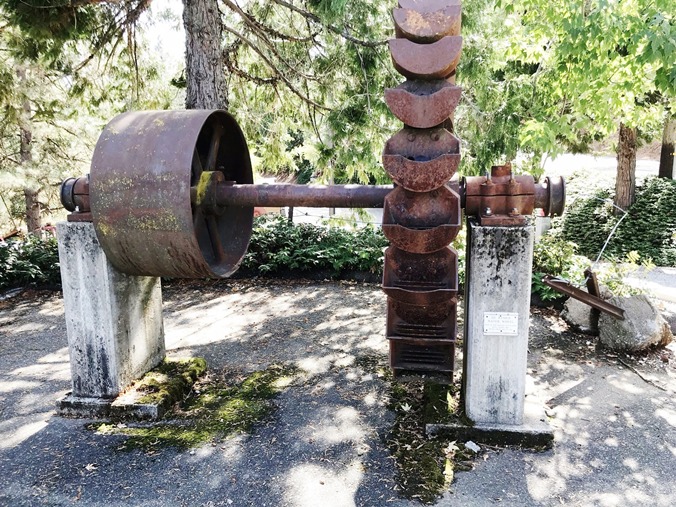
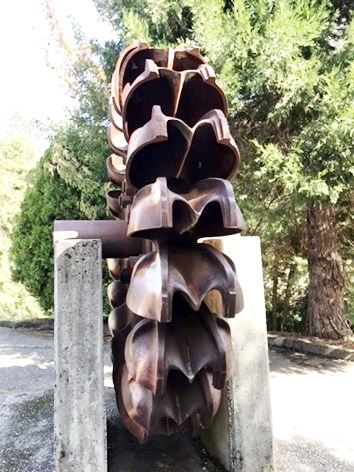
This invention was a large leap forward in industrial mining. Hard rock mining needs power for machines like rock crushers, stamp mills, hoists, and compressors. Before electricity, the only sources of such power were water or steam.
Back then, many mines used steam engines. These engines needed a lot of wood for fuel. Some water wheels worked well in larger rivers. But they didn't work in the smaller streams near the mines. Pelton designed a water wheel for the small flow in these streams. But to create high‐pressure water that makes the wheel efficient, the Pelton wheel relies on water that has been stored at a higher elevation, often in a reservoir. The height difference between the water's source (the reservoir) and the location of the Pelton wheel turbine gives the water potential energy.
The Pelton wheel was made to reduce resistance from incoming water that comes from splash back. This wheel uses the force of moving water to generate energy. It works differently from the traditional overshot water wheel, which relies on water's weight. Earlier impulse turbines were around, but they weren't as efficient as Pelton's design. Pelton wheels differ from overshot wheels. Pelton wheels harness the kinetic energy of moving water. The water jet strikes each bucket at full speed and turns almost 180 degrees. This setup maximizes energy transfer. Water from earlier wheel types often left with speed. It carried away much of the energy that the water had. The wheel's paddle shape was designed so that when the rim spun at half the speed of the water jet, the water would exit slowly. This design captured almost all the water's energy, making the turbine very efficient.
Lester Allan Pelton, an American inventor, created the Pelton wheel water turbine in the 1870s. He came west from Ohio for the gold rush. Pelton worked by selling fish he caught in the Sacramento River. In 1860, he moved about 50 miles northeast of Sacramento. There, in 1878, he built the first Pelton turbine in Camptonville. He soon moved his tests, then his family, to nearby Nevada City, where he perfected the wheel at a foundry.
As electric power replaced water, Pelton wheels were later used to generate electricity. These wheels were used worldwide, and some are still in operation today.
William Bowers Bourn acquired control of the Empire Mine in 1869. He died 1874 after an accidental self‐inflicted gunshot wound. His estate ran the mine while his son, William Bowers Bourn II, went off to Cambridge.
The son returned to California in 1878. He helped his mother with the mine and other businesses his father had left behind. He made large improvements to the mine's operations. Bourn purchased the North Star Mine in 1884, turning it into a major producer.
He started the Grass Valley Bank in the late 1800s. The goal was to help the the financial needs of the Empire Mine and the nearby mining economy. He also became a director in a San Francisco gas company. He helped the company merge with an electric firm. This led to the creation of Pacific Gas & Electric (PG&E), a key power utility in California.
In 1887, he sold all his mining interests. The new owner renamed the company North Star Mines Company in 1889. They also bought several nearby mines. At one time, the Empire and North Star complex was the second largest producer of gold in the state.
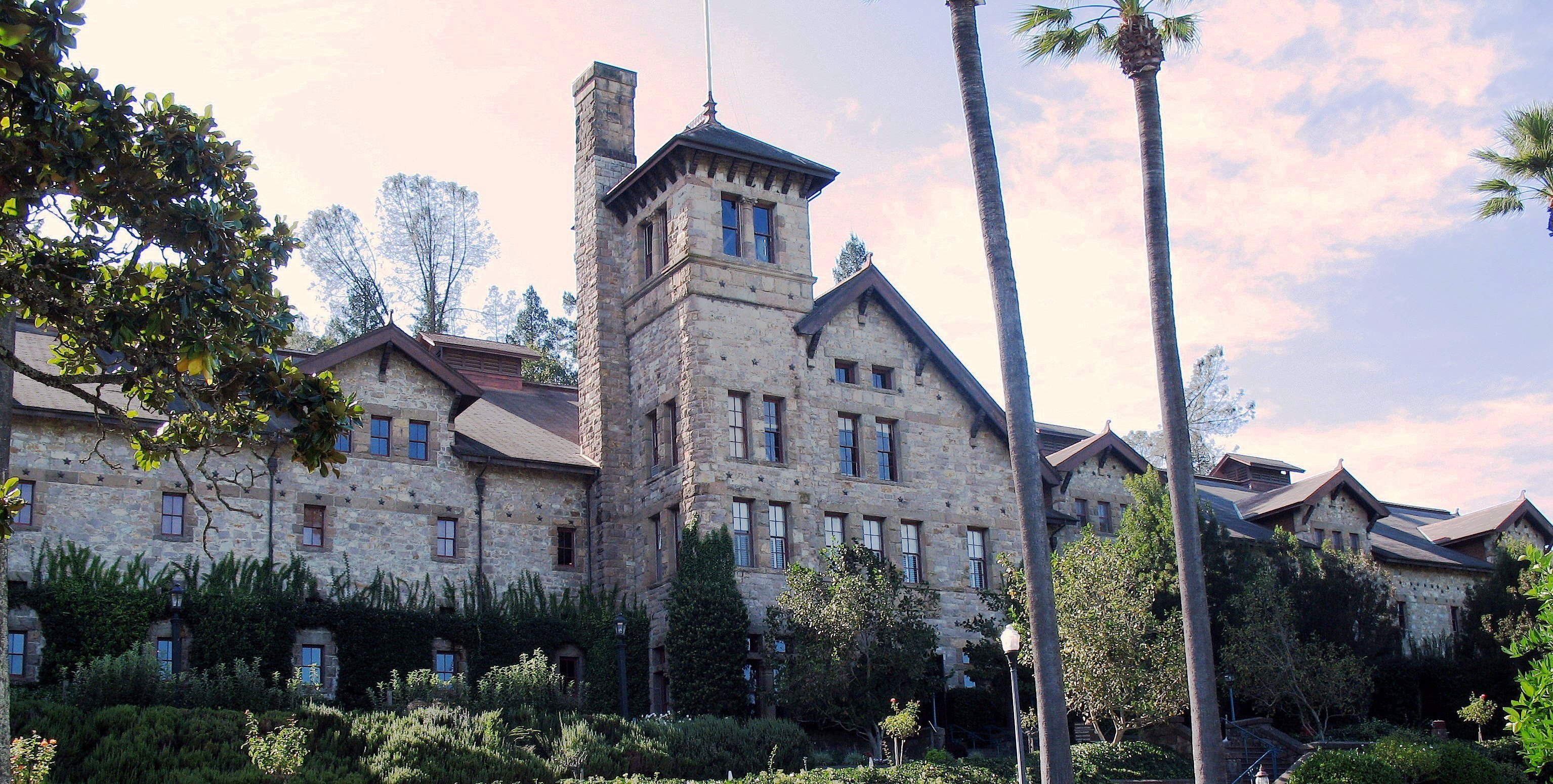
Bourn next looked to change the Napa County wine business. He and a partner gained the support of local vintners to build a cooperative winery. Most local vintners couldn't store and age wine. So, they sold it to dealers who had the space, at extremely low prices. As little as 15 cents per gallon. He used his mining experience to build the Greystone Cellars facility. It has 13 tunnels that go into the hills behind the cellar. The building and tunnels could hold three million gallons of wine. Many people described it as the largest wine cellar in California, perhaps the world. In 1894, during an enduring grape phylloxera outbreak, he sold the building at a low price.
Let's mention mercury and gold mining a bit. Mercury is combined with the ore since it bonds with gold. This forms a soft, silver‐gray amalgam. This process allows miners to extract fine gold particles that were otherwise too small to separate by panning or sluicing.
A mercury mine at the southern end of Almaden Valley supplied a lot of mercury to the Grass Valley mines. Today, that valley is considered part of San Jose's southern outskirts. It is 125 air miles southwest of Grass Valley.
The New Almaden mercury mine and the North Star mine share another link besides mercury. Arthur Foote was a mining engineer. He started at the New Almaden mine in 1876. He ended his career as the superintendent of the North Star mine in 1913. He began his career at North Star in 1895. There, he helped install a large Pelton water wheel. He decided that powering the mine with electricity would neither be reliable nor safe. He used the Pelton wheel to power air compressors. These compressors then drove the drills and other mining equipment. He had the wheel made 60% larger than what Pelton recommended. The wheel was in service for over 30 years. His wife, Mary Hallock Foote, was a famous author and illustrator. She wrote about life in the West for her main audience: people in the East. Arthur brought her out from the East when he married her while working at New Almaden. He came from Connecticut, while she came from New York State.
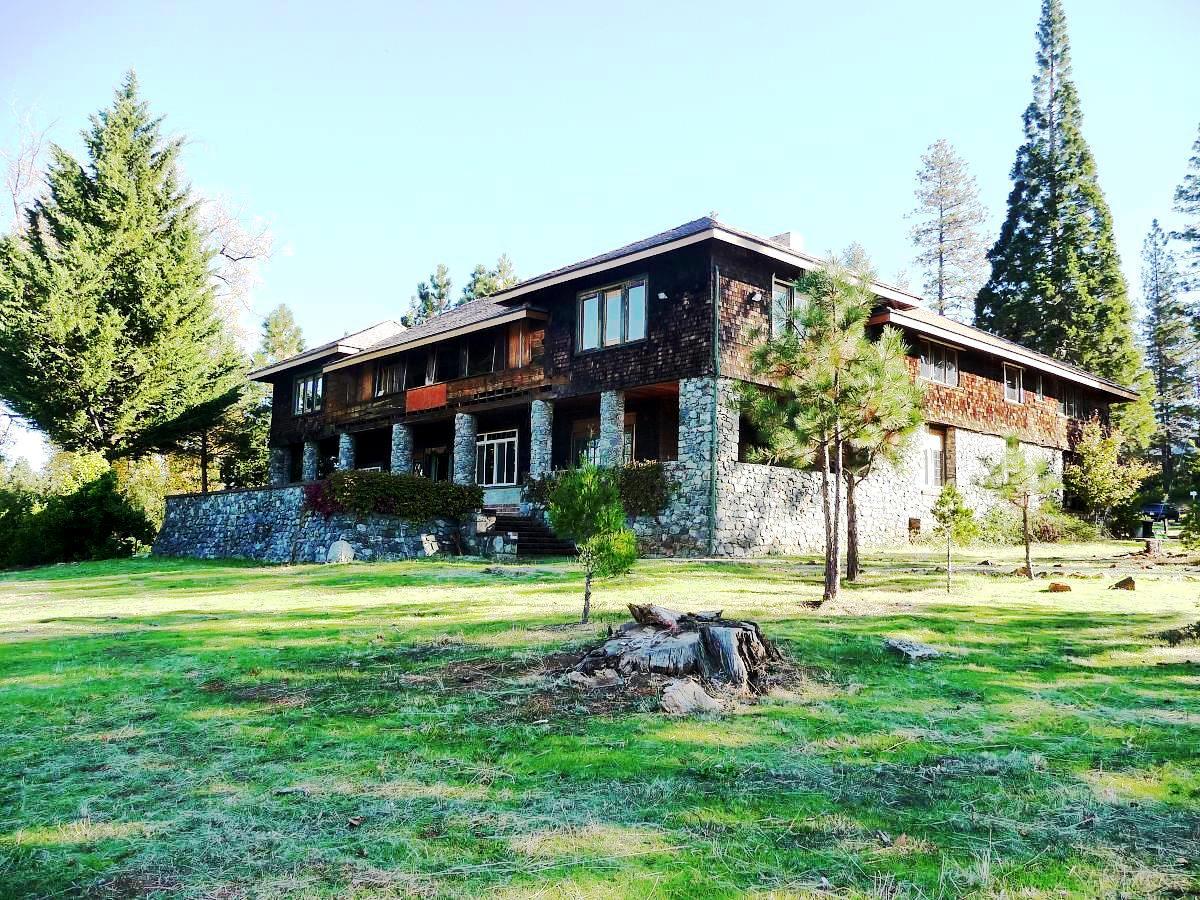
Two famous mansions in Grass Valley are Bourn Cottage and North Star House. Bourn Cottage does not fit the definition of a cottage, while North Star House carries the name Foote Mansion. Foote commissioned the project in 1905. Architect Julia Morgan designed it. This was her first major residential building. She designed hundreds of buildings in California. This includes her work on Hearst Castle. That project lasted from 1919 to 1947, with a break for the war. She was called "America's first truly independent female architect." In the '70s and '80s, the residence fell into neglect, but after a refurbishment, it is now used as an event center.
Bourn returned to the Empire Mine, regaining control in 1896. The wealth accumulated from the richest gold mine in California put William and Agnes Bourn in the class of Americans depicted in a F. Scott Fitzgerald's novel. Extensive travel allowed them to refine their tastes in cultural centers of Europe. They rested and played only in the most pristine alpine centers on the continent, and in North America.
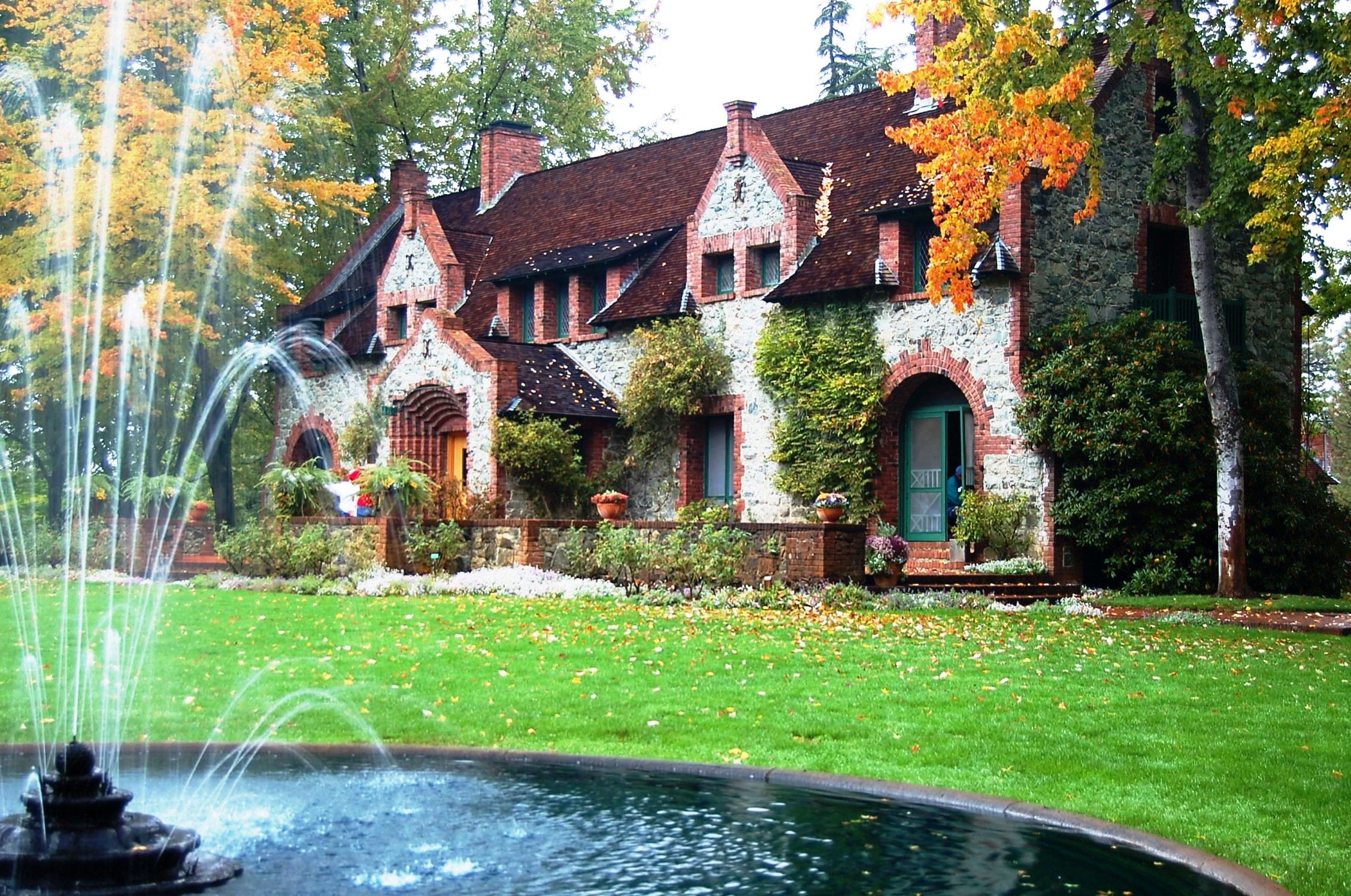
They acquired outposts around the San Francisco Bay Area, and across the Atlantic:
I) The "cottage," built at the Empire mine. It was intended to be used for short stays during the summer due to the noise from the nearby stamp mills. Willis Polk, a famous architect from San Francisco, designed the cottage and its 13 acres of gardens. The cottage itself was 4,500 square feet. Small by Bourn standards.
II) An estate in what is now the Killarney National Park in Ireland.
III) A mansion in Pacific Heights, a neighborhood in north‐central San Francisco
IV) An estate on what later became the 17‐mile drive in Pebble Beach
Where he put the vast majority of his wealth ‐ Hint: It wasn't in Grass Valley.
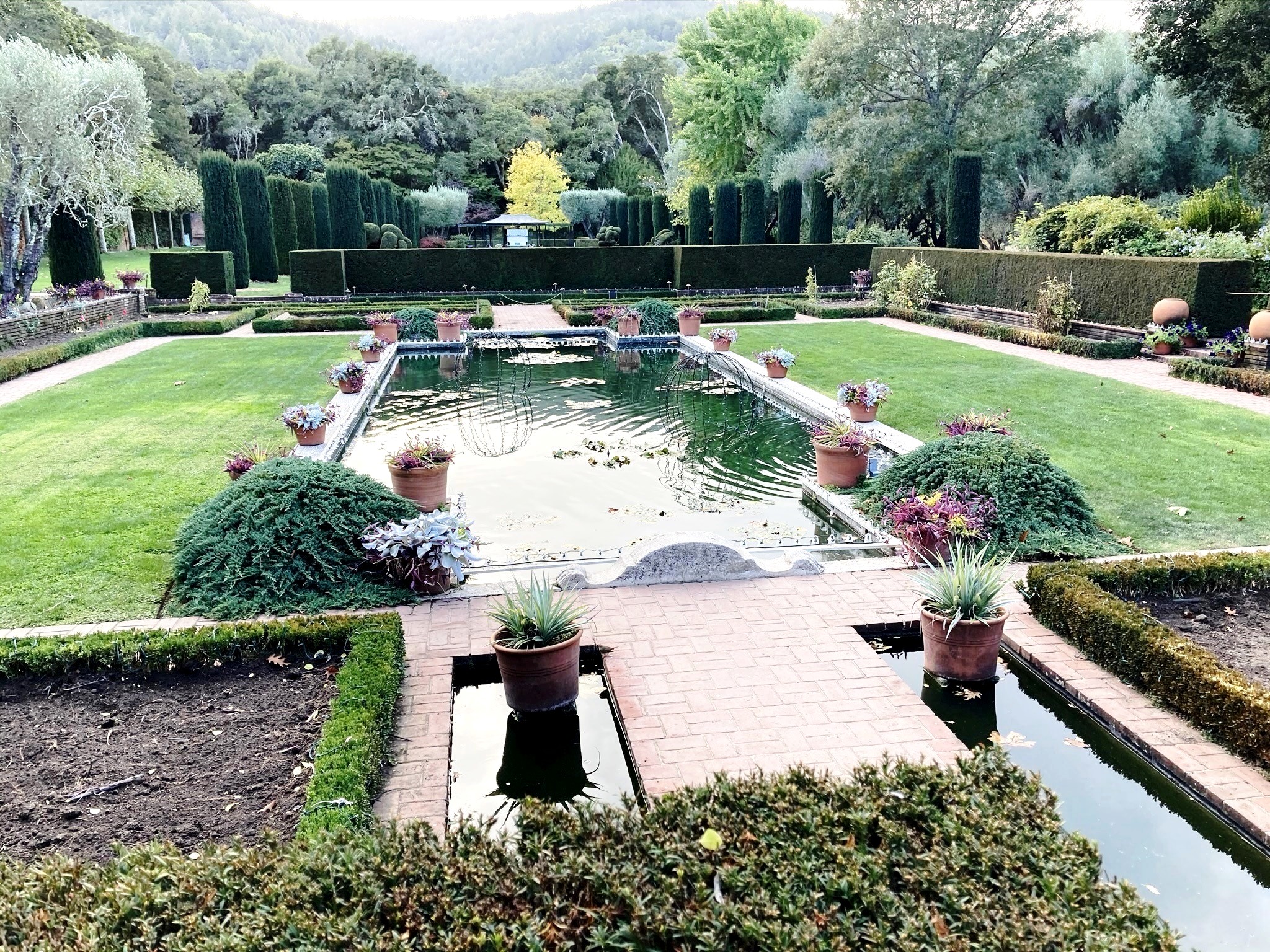
V) A "country" house, Filoli, on 670 acres, of which 16 are formal gardens, in Woodside, south of San Francisco
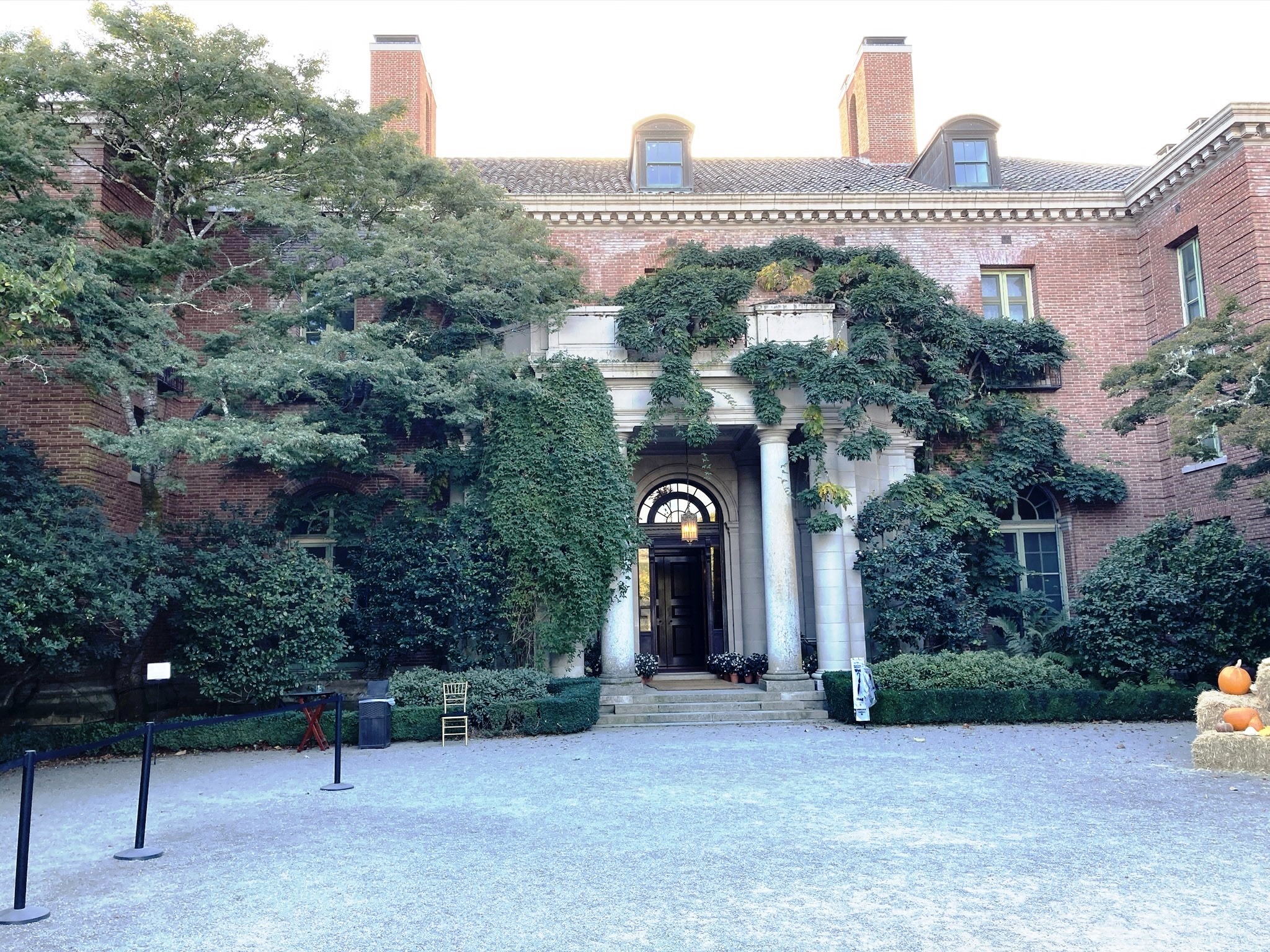
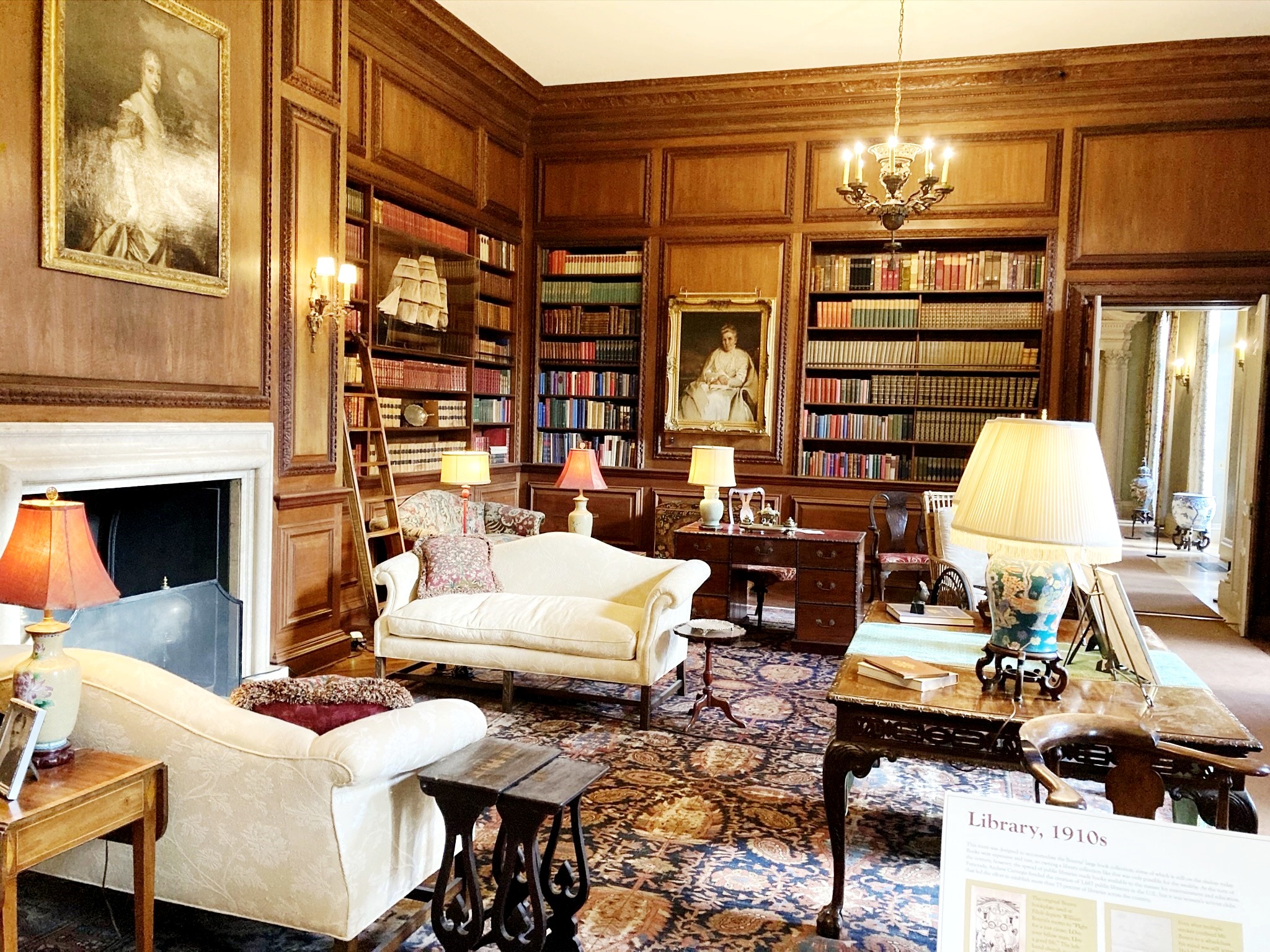
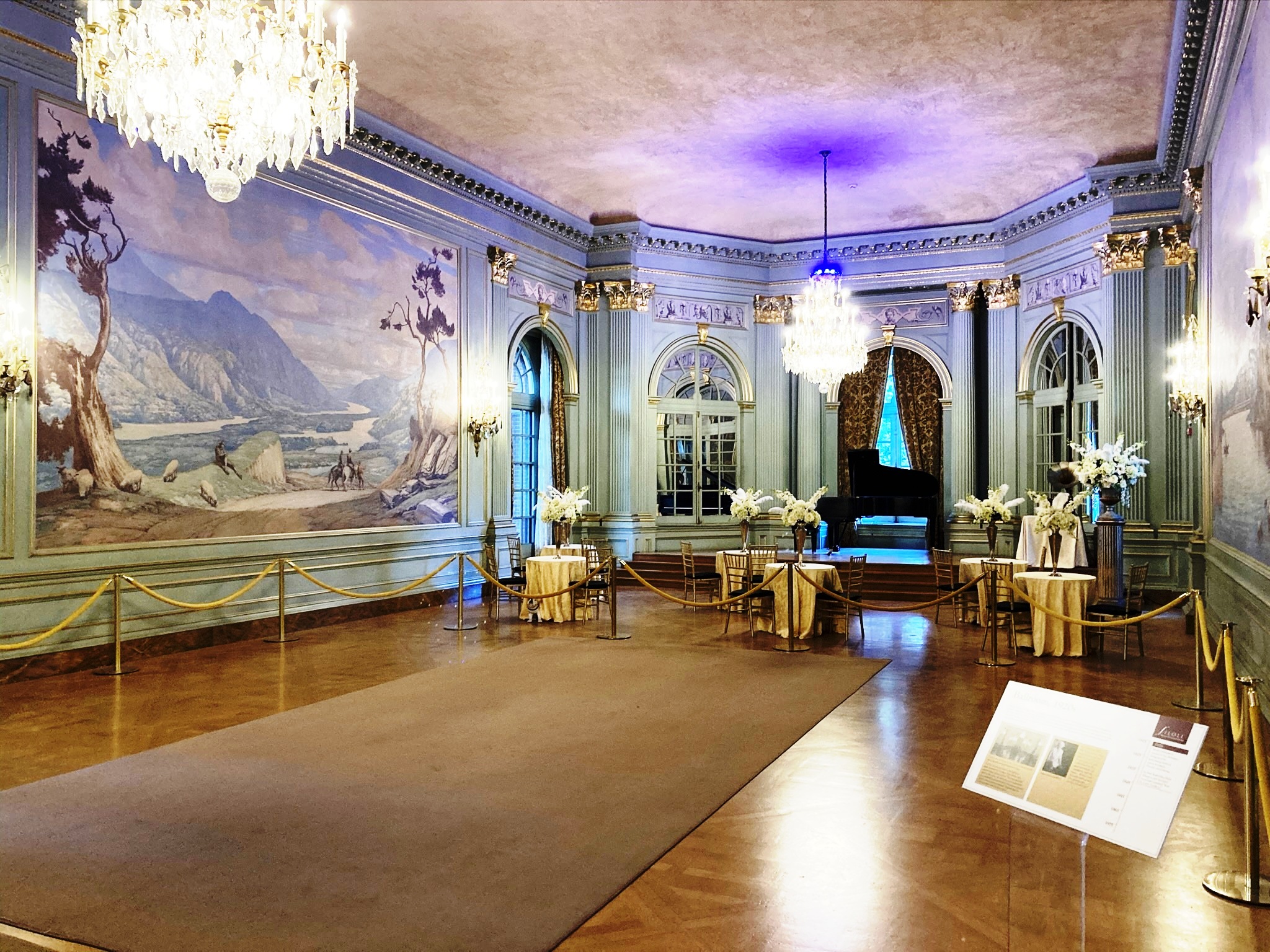
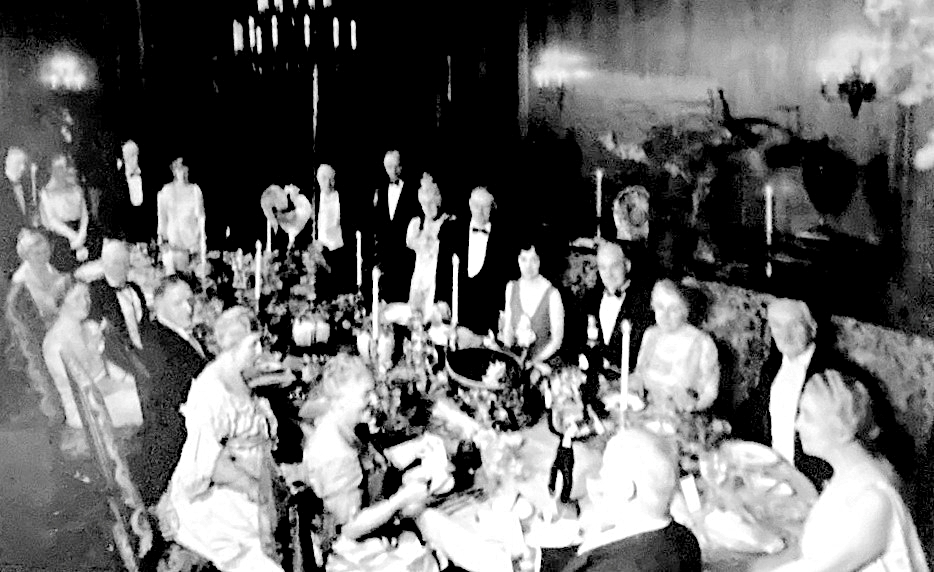
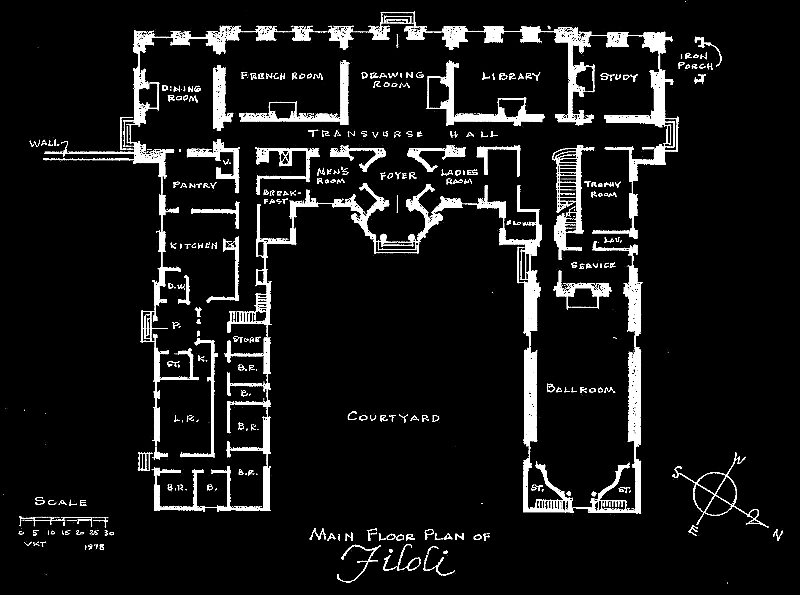
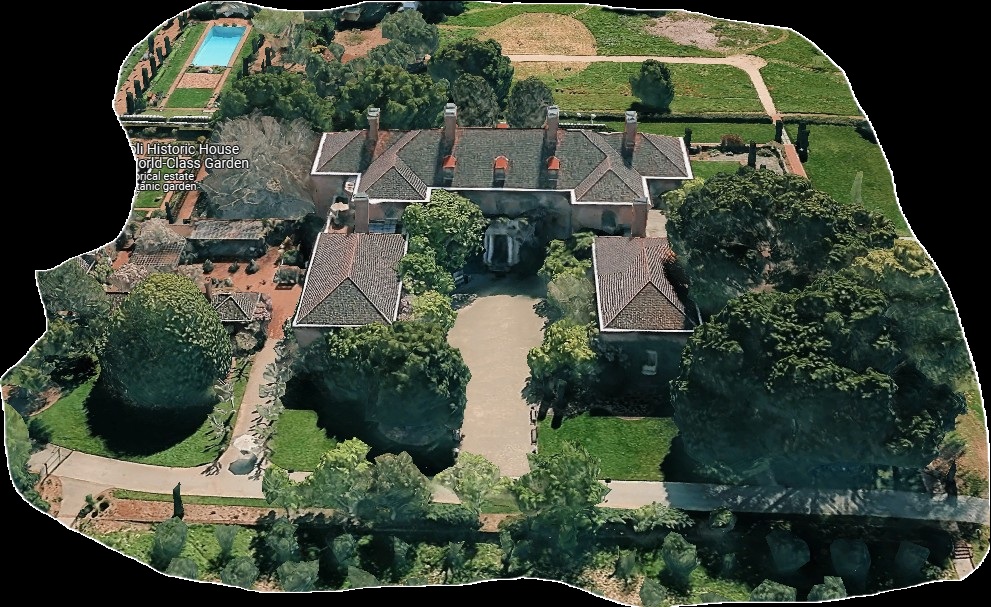
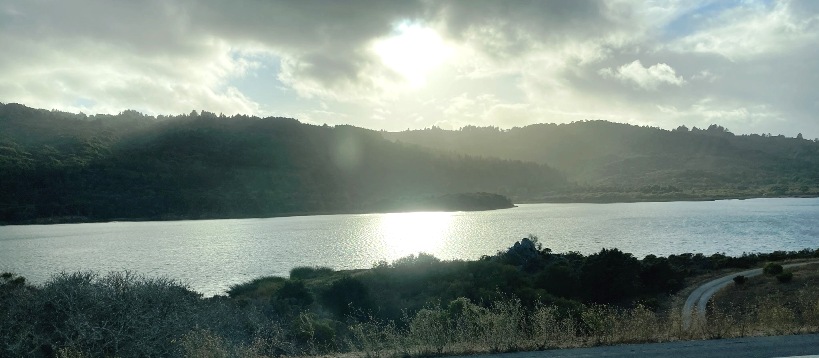
He owned an estate in Ireland, which he gifted to his daughter and her husband. In 1932, the family donated it to the Irish government in memory of her passing. His other grand estate was Filoli, built in 1915. It is at the south end of a reservoir, Crystal Springs, which is up against the Santa Cruz Mountains. The reservoir and estate sit in a rift valley caused by the San Andreas fault. Bourn got rich from a fault that formed the Sierra's mother lode. Ironically, he built on the mother lode of faults.
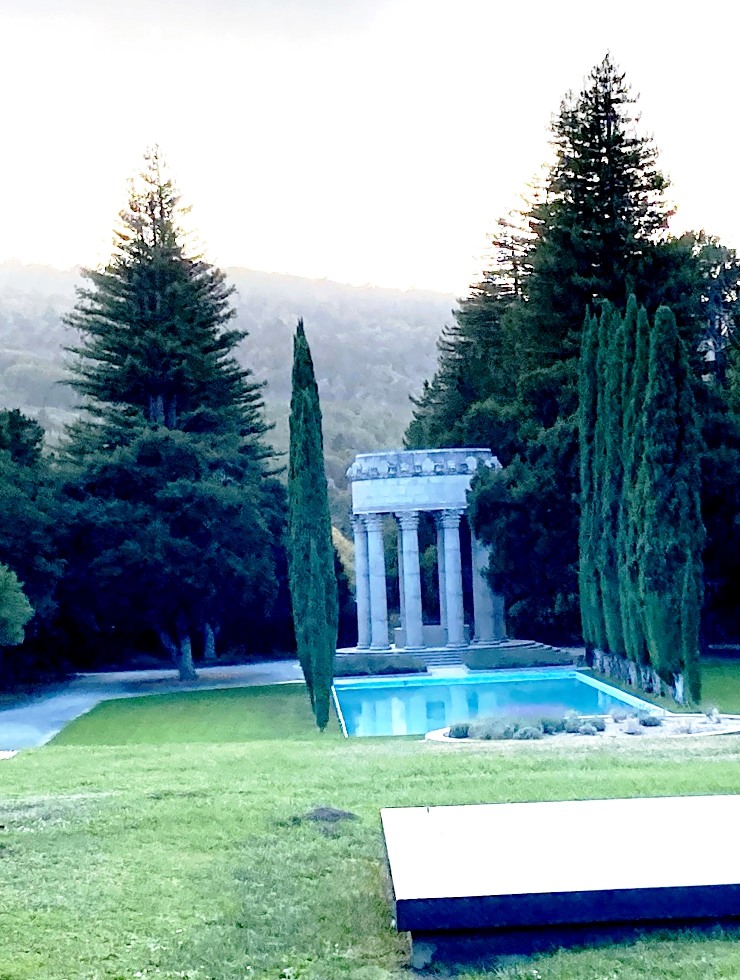
Bourn was a key stockholder in the Spring Valley Water Company, which owned the reservoir. The company owned a monopoly on San Francisco's water supply. The company owned most of Alameda County's watershed. It also owned parts of Santa Clara and San Mateo counties, which surround the bay. San Francisco tried to buy the company for almost 60 years and finally succeeded in 1930. After the 1906 earthquake and fires, San Francisco wanted a safe, long‐term water supply. Many felt that Bourn's water company and Bourn himself overcharged for their service. The sale happened partly because San Francisco got water rights to the Tuolumne River in northern Yosemite. The Tuolumne River and Hetch Hetchy Valley were seen as ideal due to their elevation and purity.
But it took presidential and Congress's support to secure those rights. Using federal land, like Hetch Hetchy in Yosemite National Park, needs Congressional approval. The Raker Act, signed by President Woodrow Wilson in 1913, allowed San Francisco to dam the Tuolumne River in Hetch Hetchy Valley. Many people say Hetch Hetchy Valley was as beautiful as Yosemite Valley.
They started building the dam in 1914 and finished it in 1923.
This battle marked the beginning of the American conservation movement. John Muir famously stood against it.
Water reached San Francisco in 1934. This happened after the city bought Bourn's water company. The project was controversial then and continues to this day.
An interesting aside. The earthquake made Mrs. Bourn uneasy about living in their house in San Francisco proper. So, it is ironic that they built Filoli on the fault that caused all the damage.
When the 1906 earthquake struck, the Bourns were in Monte Carlo, France. William Bourn cabled money he had won at a casino to family members in San Francisco. He and his wife took the next train to Paris and then the next ship to New York. They hastened back as quickly as possible, but the journey still took three weeks.
"One does not realize the awful calamity from the Bay," Agnes wrote. When they disembarked from the ferry from Oakland at the city's ferry terminal, which stood reinforced by scaffolding, the magnitude of the destruction was evident looking up Market Street. The Bourns' home in Pacific Heights had survived, but Agnes Bourn would never be comfortable there again.
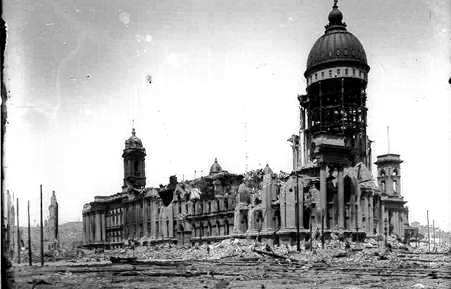
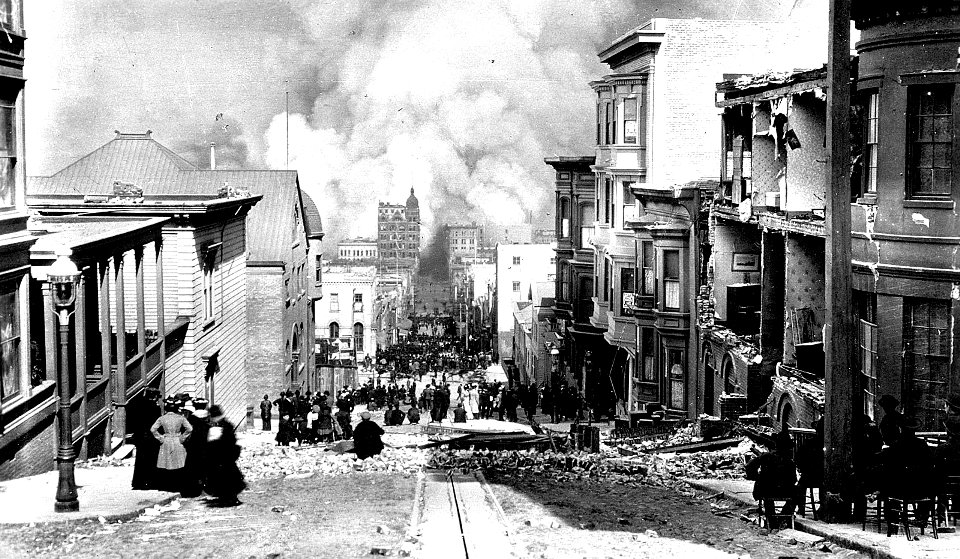
The Bourns spent much of 1906 in Grass Valley. San Francisco was a disaster zone, filled with noise from clearing debris and rebuilding. Without the need to toil every day at a regular job, he worked on his tennis and billiard games. He had a clubhouse built near the "cottage" to facilitate those activities. When he did work, he thought about San Francisco and how to rebuild it more in the style of The Burnham Plan, named after the main author of a plan to reshape Chicago's center, with wide streets, parks, civic plazas, integrated transportation, and waterfront use. He was determined to defeat what he considered the petty interests who wanted nothing more than to return to business as quickly as possible. "He dreamed only grand dreams," wrote Ferol Egan, Bourn's biographer, "for to him small dreams were the nightmares of small minds and the currency of corruption."
The earthquake made the city consider breaking Bourn's water monopoly. He viewed this as a business chance and a way to help build a new, imperial city. Even though a newspaper accused him of profiteering off the disaster.
His views of society were controversial and would never prevail. He believed in a meritocracy, which should be led by men like himself. Not necessarily wealthy men, but men of character who thought of the common good. He believed it was hardship that shaped people. "It is not the joys of life that up build character," he wrote. "Sorrow, or the appreciation of responsibility, chastens characters and lifts human nature to higher levels of thought and emotion."
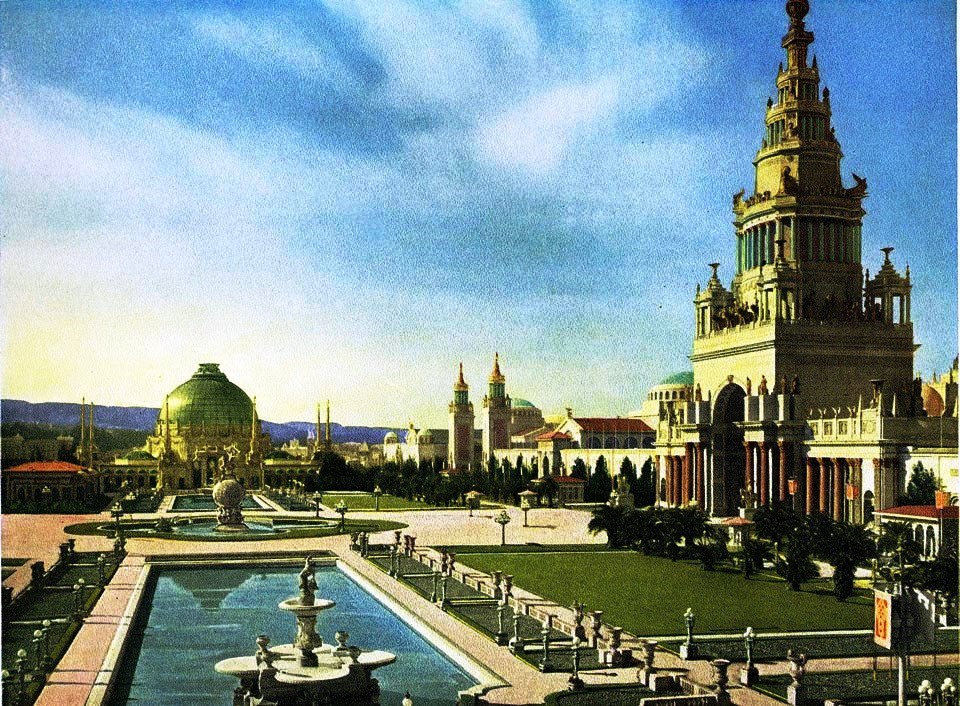
He helped plan the San Francisco Panama‐Pacific International Exhibition. This event celebrated its rise from the ashes, like a phoenix. He was an early contributor. He got donations from the richest people in San Francisco. The exhibition opened in 1915. He also helped to rebuild an Episcopal church in the city. Bourn relied on the Empire mine. It kept making good profits during the rebuilding decade.
He also moved in the most rarefied of circles and was elected president of the Pacific Union Club. The club is on Nob Hill. It and the Fairmont Hotel were the only buildings left on the hill after the earthquake. The hotel was almost finished when the quake hit, but fire severely damaged its interior. Key club members over the years include the Bechtels, Grady, Hearsts, Hewlett, Kaiser, McNamara, Packard, Schwab, and Weinberger, among others.
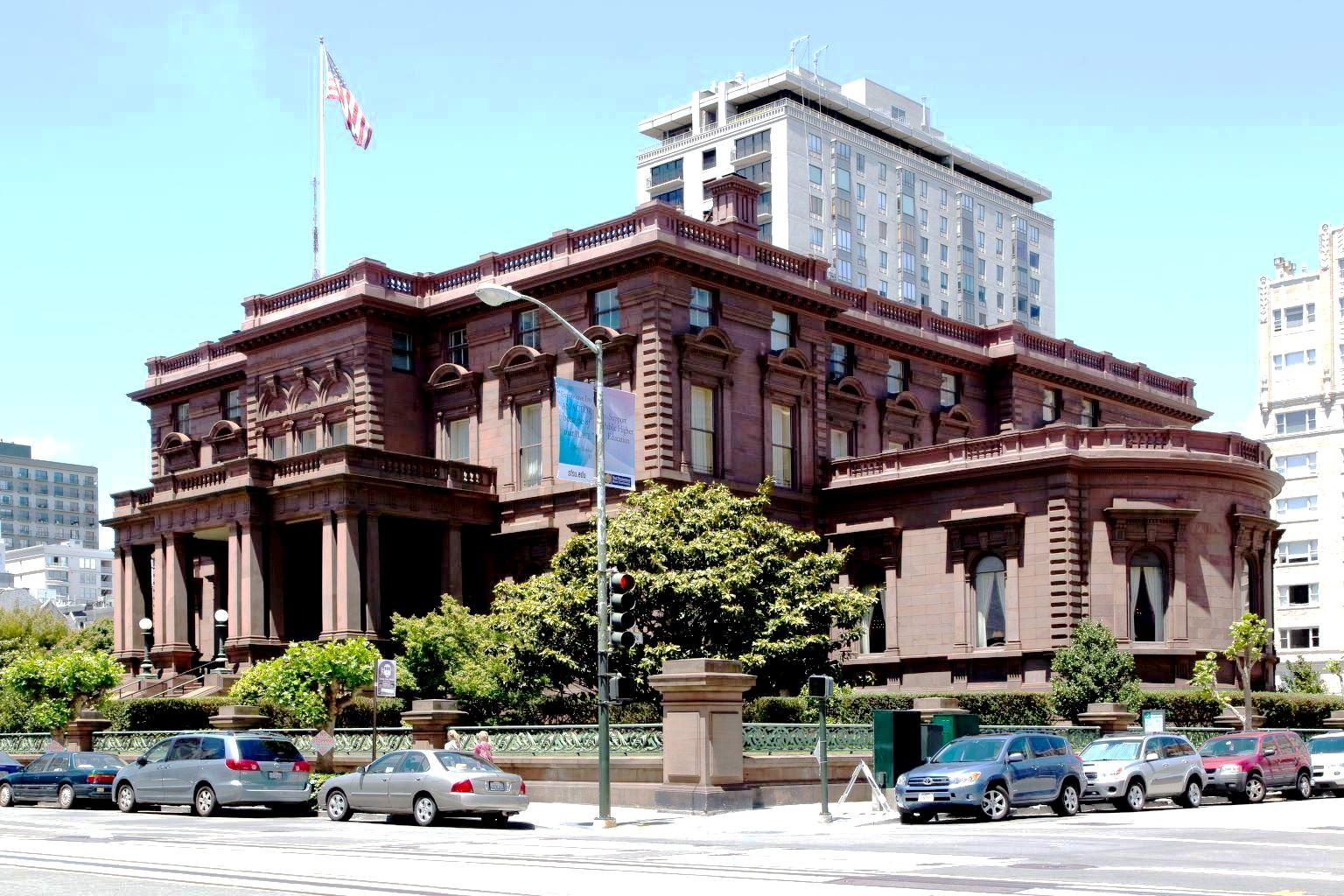
Back when Bourn was president, the names were different. Still, the same trend existed: only the elite ever got inside. Unless you were the hired help, you wouldn't see it. The Pacific‐Union Club's bylaws state: "No information about any Club activity or function can be shared with the media by anyone." Although newspapers were not called media back then, the attitude of exclusivity was the same. If anyone was a gold baron in the area, it was Bourn, part of the ruling class and considered a captain of industry. He was not tied to the place where he made his money.
Most of what he pulled from the ground in Grass Valley left to benefit other economies. Human migration patterns are continually evolving. As we will see at one point, people who had "made it" financially looked to the bay area to settle in and live. Back in Bourn's era, the focus was on the dazzling lights of bigger cities. Especially San Francisco, and Bourn was a Bay Area native. He did business in Grass Valley. He considered home somewhere else. We will see this trend in future articles. He owned many residential properties; the serious ones were not in the area. He had estates in the Bay Area. He had a "cottage" in Grass Valley.
Bourn had a stroke in 1922 and finally sold the mine in 1929. About that time, he also lost his 46‐year‐old daughter, which led to the estate donation in Ireland. He died in 1936 at the age of 79.
Next, we will examine someone whose local financial impact was quite different from Bourn's. This person helped pave the way for "video" to eventually reach the area.
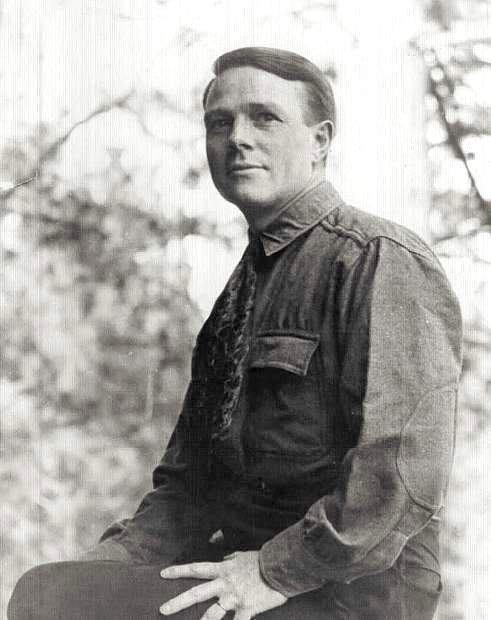
There was another large mine complex that developed in the area. Its head shaft sat about a mile northeast of the main Empire complex. It came to be known as the Idaho Maryland Mine. Today there is a road that runs alongside the site, aptly named the Idaho Maryland Road. The complex runs under a hill to the southeast, where it so happens that the Grass Valley Company, the video company, had its last offices in the area.
While that is not the connection between mining and video, it is a step closer. To the southeast, you can see a large ventilation shaft and an open area. This spot used to be a mill site for one of the mines that became part of the Idaho Maryland Mine complex. The Idaho claim was recorded in 1863 along Wolf Creek. Yes, the same Wolf Creek that the North Star was located on, but upstream about a mile. By 1865, Idaho miners dug a 150‐foot shaft trying to reach the vein. But then, money ran out, and work stopped a year later. The claim was sold to the Idaho Quartz Mining Company in 1867, and at 300 feet, the vein was found. By 1870, the miners were pulling ore out at 600 feet underground.
In 1872, the Idaho Mine surpassed the Eureka Mine to become California's leading gold producer. It kept this title until 1892. The Idaho Quartz Company recovered 574,434 oz of gold from 567,029 tons of ore extracted during this time. All activity ceased in 1893 as the Idaho Mine reached the Maryland claim to the east.
The Maryland claim was staked in 1865. However, serious work didn't start until 1880. That's when the Maryland Gold Quartz Mining Company was formed. The company purchased the Idaho mine in 1894. They renamed the combined operations to Idaho‐Maryland Mine. A new vein was soon found. It was named after the mine's main owner and superintendent, Victor Dorsey. A year later his son was killed in a fall down a shaft connecting two levels in the mine. He was 1,600 feet down in the mine at the time. In 1901, the mine closed due to insufficient capital. Gold extraction was only about one‐third of what the Idaho Mine produced alone in earlier years.
A year later, the Idaho Maryland Development Company bought the operation. They refurbished it by pumping out accumulated water, re‐timbering the shaft, and making surface repairs. Then, they resumed mining. The beginning of World War I brought an end to the operation once again. The recovered gold per year was only one‐tenth of what the Idaho mine was doing during its heyday.
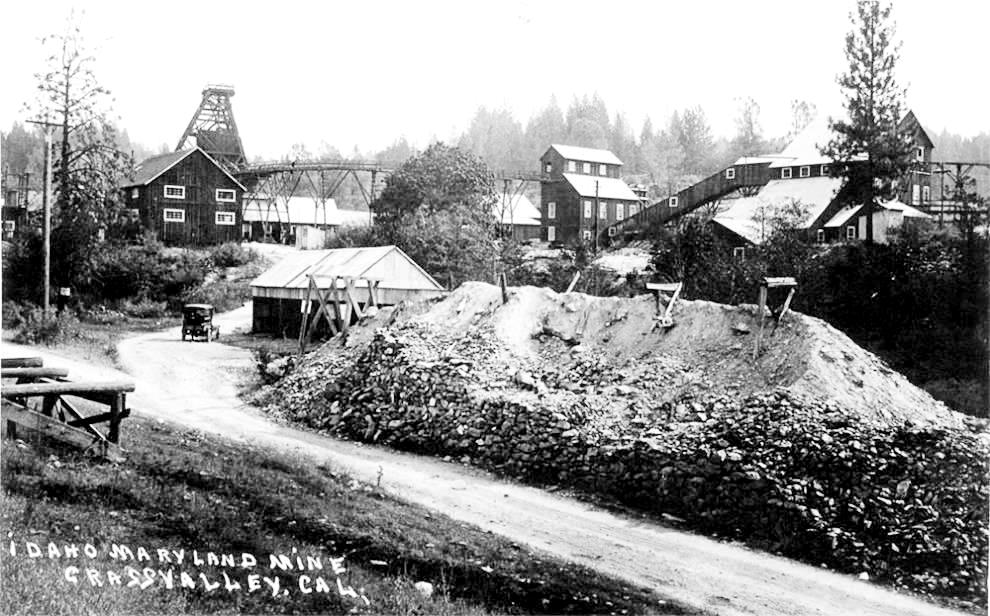
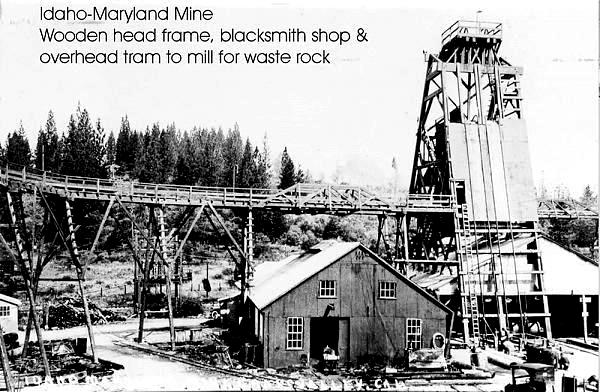
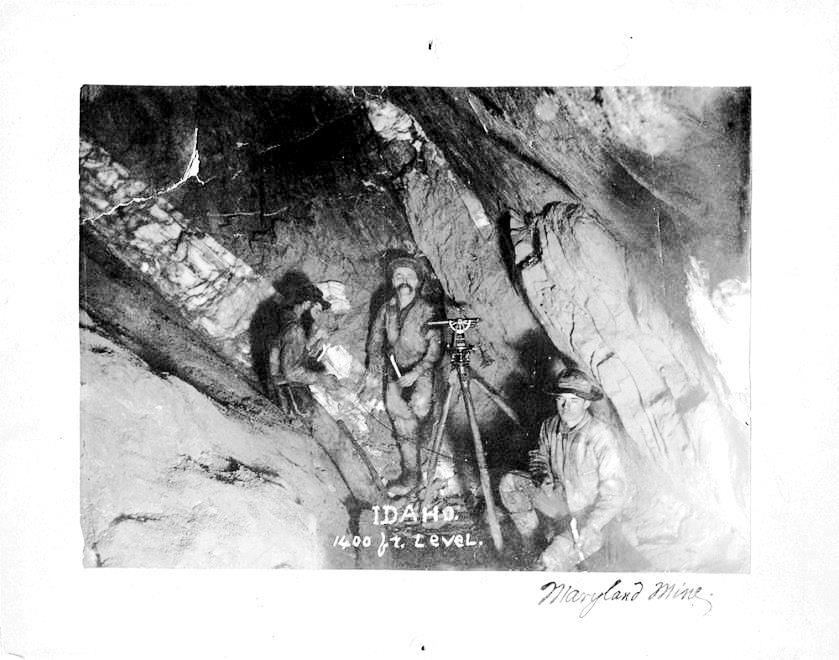
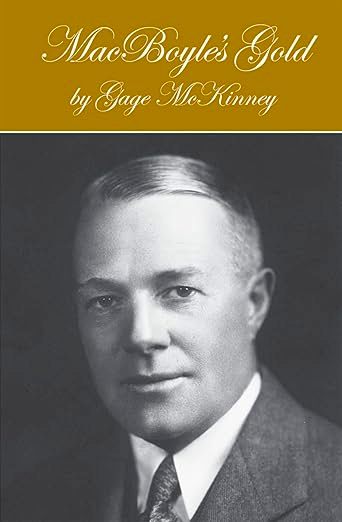
Errol MacBoyle, a mining engineer, became interested in the area. With financial help, he bought two nearby mining claims. After World War I, the Idaho‐Maryland mine was bought from Dorsey and Company. The Metals Exploration Company paid nearly $3 million in today's money. It formed a separate company to operate the mines, Idaho‐Maryland Mines Company. MacBoyle was a consulting engineer for the operation. The collection of mines now included the Union Hill Mine, the only one actively mined then, and the Eureka Mine. In the early 20s, the operation tested drill sites in the mine complex. This included the old Eureka Mine, located just west of the Idaho Mine. In 1925 the mine quits operation once again.
MacBoyle and his backers took control of the Idaho‐Maryland company and restarted operations. MacBoyle did this using a tribute system with the miners involved. Miners provided labor and equipment but did not receive wages under the tribute system. When they discovered gold, the miners and the mine split the profits on a 50‐50 ratio.
Now there was a set of five mines combined together on the east side of Grass Valley. The Idaho and Maryland started at about the same time and were adjacent to one another. The Idaho ceased operations when it reached the underground claim boundary of the Maryland mine. Maryland bought the Idaho mine in 1894. In 1926, MacBoyle and his Idaho‐Maryland company secretly bought most shares of the Brunswick mine to the south.
Errol MacBoyle was born in 1880 in Oakland, California, and he went to the University of California, where he majored in mining engineering. He started his career in 1902 by working a summer as a mucker at a couple small mines in the area. "Muckers" were the ones who shoveled broken rock into tramming cars. MacBoyle was a quick learner and acquired the position of surveyor for the North Star Mine. He then traveled and worked elsewhere before settling back in Nevada County.
From 1911 to 1915, MacBoyle worked as an examining and reporting engineer at the California State Mining Bureau. He wrote "The Mines and Mineral Resources Report of Nevada, Sierra, and Plumas Counties."
One of MacBoyle's big contributions to the area was he thought he could find gold in this assembled mine complex where others could not, and as it turned out, he was right. His diligence and faith in the mines paid off almost immediately with the discovery of a rich vein. 1926 was a big year for MacBoyle. The Brunswick mine to the south would become central to the overall operation in the years ahead.
In 1926, he also married Gwendolyn Clifford in San Francisco. She was the daughter of a plumber. Before her marriage, she worked as a secretary at a law office on Montgomery Street in San Francisco. They entertained in a lavish San Francisco residence he bought for her. They called her the Golden Lady. Her house had gold lavatory fixtures and doorknobs. She lived mostly in San Francisco. She wasn't very interested in the frontier of Grass Valley. Errol, on the other hand, stayed mainly in Grass Valley to run the business. In contrast to Bourn, MacBoyle showed greater concern for the community where he built his wealth. He said that he made his money in Nevada County, and he would spend it there.
In 1927, under his direction, another even larger vein was found; in 1930, yet another vein was found. The following year, the company paid off its debt. Operations grew, and the 20‐stamp mill became a bottleneck. This called for expanding ore milling. In the mid‐30s, gold prices rose to $35 per ounce. This prompted miners to revisit veins once seen as marginal.
In 1938, recovered gold from the mine was 117,000 oz, a record for the mine. Two years later, it reached 129,000 for the year. That year, the USGS wanted access to the mine, among others, to study the geology of the mother lode in the area. MacBoyle would not allow it, possibly to not give away any of his successful secrets. The mine complex had tunneled down to almost 3,500 feet.
With MacBoyle's guidance, the Idaho‐Maryland Mines made $40 million in total over the years. His prominence in the mining community grew, and he became chairman of the California State Mining Board in the early '40s.
Everything stopped with the War Production Board Limitation Order L‐208. This order came out on October 8, 1942. It closed gold mines across the entire country, not just in the area. The rationale was to curtail gold mine operations for wartime resource prioritization. The government needed strategic metals, like copper and lead. This made gold mining less important for the war effort.
Errol MacBoyle went to Washington, D.C. to oppose federal gold mining rules when the war began. MacBoyle, as manager of the Idaho‐Maryland Mine, led in California's mining circles. He lobbied hard against closing gold mines. He believed they were crucial for local economies and should get special exceptions.
Alas, he failed in those efforts. Also, he had to face the fact that the lack of available manpower was hindering operations anyway.
The company did keep a minimum number of employees to keep the pumps running. By the end of '43 though, the mines were showing signs of neglect. After the war, operations struggled along. They even switched to extracting tungsten. However, everything ended in 1957 when the operation was shut down. Without MacBoyle's sharp instinct for finding gold, his mine wouldn't be profitable. Other economic and personal factors also played a role, which we will discuss soon. In 1963, the land and mineral rights were sold for just $52,500.
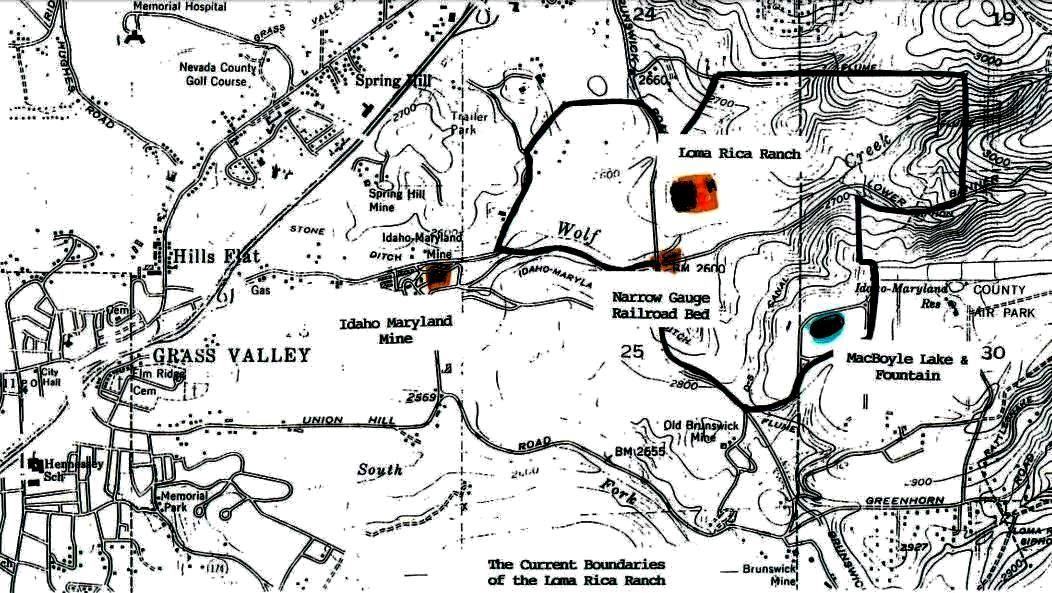
MacBoyle had a passion for horses. In 1934, he purchased land from his mining company, located northeast of his mines. There, he aimed to breed and train Percheron draft horses and Thoroughbreds. He also had 220 acres of orchards. The Loma Rica Ranch, as it was called, was once the largest thoroughbred horse ranch in the state. MacBoyle built a $50,000 redwood barn in the early '30s for this endeavor.
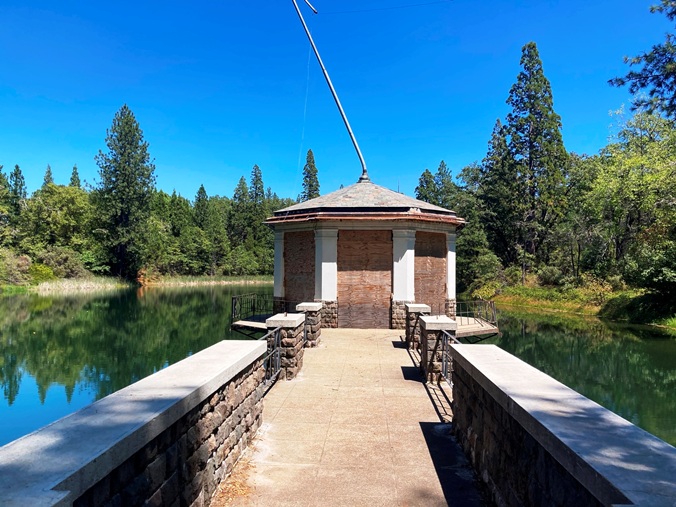
He commissioned a fountain based on one from the 1939 Golden State International Exposition. It was built on his property, close to the current airport. It still flows in a reservoir that was created to supply water to the ranch and the mines. The fountain used the same electrical wiring, panels, and lights as the original Fountain of Western Waters from the exposition. The fountain sits at one end of the reservoir. At the other end, there's a gazebo. It holds the control room and the electrical wiring for both the fountain and the lake. He loved the site and had trees planted around the lake with the intention of building a house there.
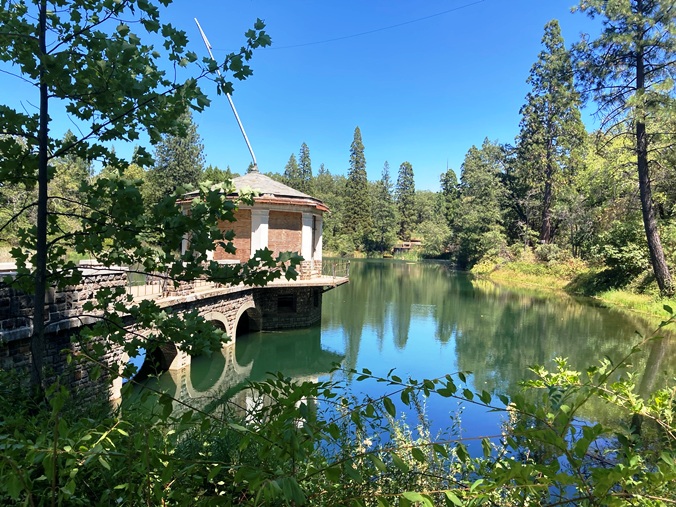
He hired people who needed jobs for his ranch during the Depression, even if he didn't need the work done. Workers reported being paid to move items or to fix fences that didn't need any work. After completing their tasks, they were often told to do them again with minor changes. He employed more carpenters, stable and ranch hands than the ranch needed. During the Depression, he generally hired anyone who was willing to work.
Besides creating jobs for the local unemployed, he supported the construction of a new St. Patrick's Catholic Church in town, across the street from the original. With the full support of the Department of Fish and Game Commission he made the mine and the ranch refuge for pheasants, quail, and partridges which he released into the hills. Errol MacBoyle was an avid sportsman and a strong conservationist.
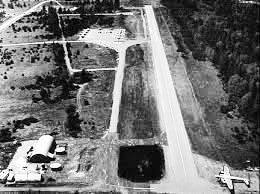
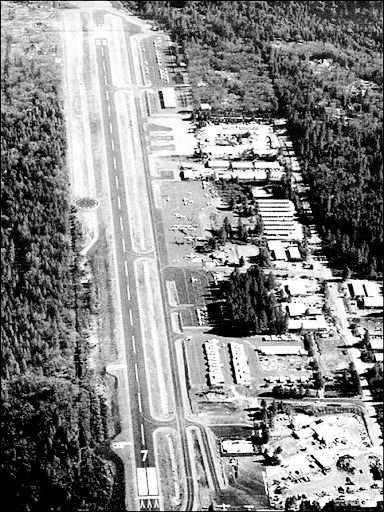
MacBoyle built the Loma Rica airport in 1933. It was at the southern end of his ranch. The airport was used to fly gold to Mills Field. This field later became San Francisco International Airport. From there, gold was transported by ground to the San Francisco mint. Today the airport is known as the Nevada County Air Park.
Until then, gold was trucked to San Francisco. Another option was the Nevada County Narrow Gauge Railroad (NCNG RR), which ran from 1876 to 1943. When steel became more valuable than the railroad, the tracks were removed. Steel was crucial for the war, and better roads made the rail route unnecessary. So, the rail was sold off. The 23‐mile line linked to the main Southern Pacific line in Colfax. It ran up through Grass Valley to Nevada City. The path included two bridges, two tunnels, and five trestles. At one time, the bridge over the Bear River was the highest in California, at 100 feet in height. The small railroad even hauled the circus up to the two towns occasionally. In 1893, a circus train was going around a horseshoe curve. The animals in one car leaned against the side. This caused the car to tip over, derailing most of the train. Sadly, two crew members lost their lives. It hauled out $200 million in gold over its lifetime.
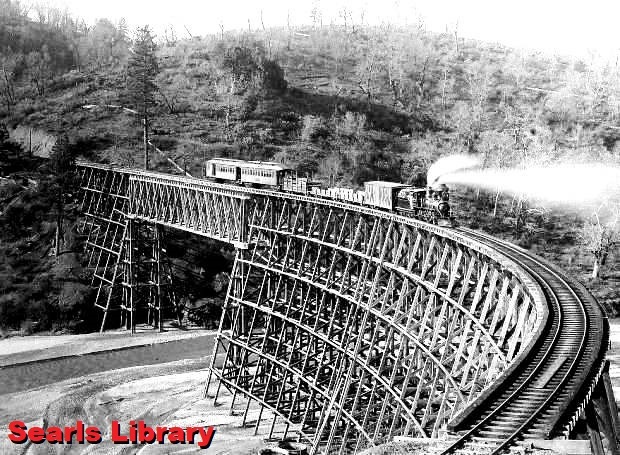
The only artifact that might survive this railroad might also be on its way out in the next couple years. John Kidder was the chief engineer and builder of the railroad. Kidder, originally from New York, worked in various places. He spent time in Nevada and Northern California. He served in the California State Legislature for two years, beginning in 1865. He also worked in Oregon and Washington. He was the chief engineer for the Oregon and California railroad. After that, he led the first narrow gauge project in California: the Monterey and Salinas Valley Railroad. In 1875, he settled in Grass Valley when he oversaw the building of the railroad to town.
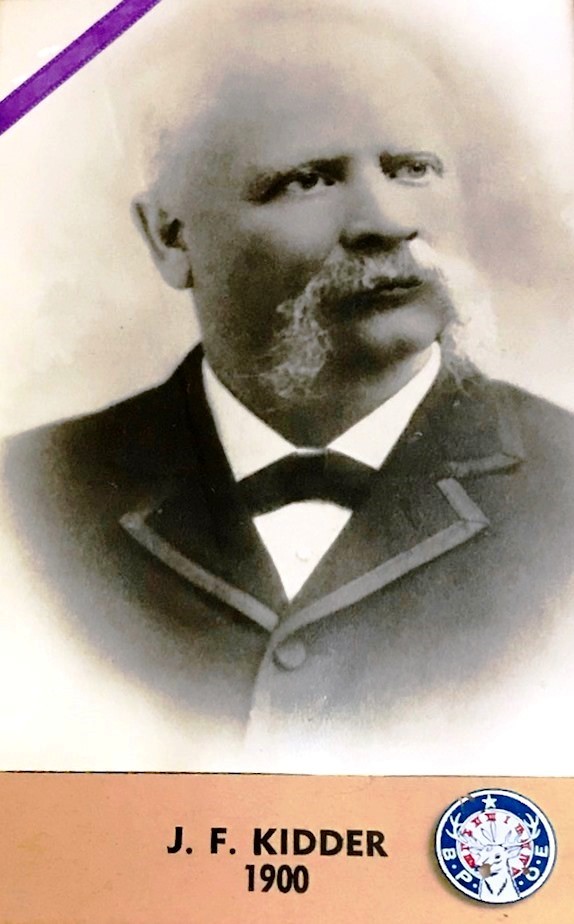
Kidder was the first, or charter president of the Grass Valley Elks Lodge in 1900. Somehow, he managed to install a bunch of boxcar leaf springs into an auditorium in the lodge. They were incorporated to give its floor bounce. The floor is currently one of the few "bouncy dance floors' left in the country. The building is historic. It was built when Elk Lodges served as community hubs, not just meeting spots. Today, it has apartments and a coffin closet in the main meeting chamber for memorial services. There's also a couple of bowling alleys. The building sits in a prominent location on Main Street, which enhances its value. Today the building is rented out as an event center. The long‐term future of the building is uncertain.
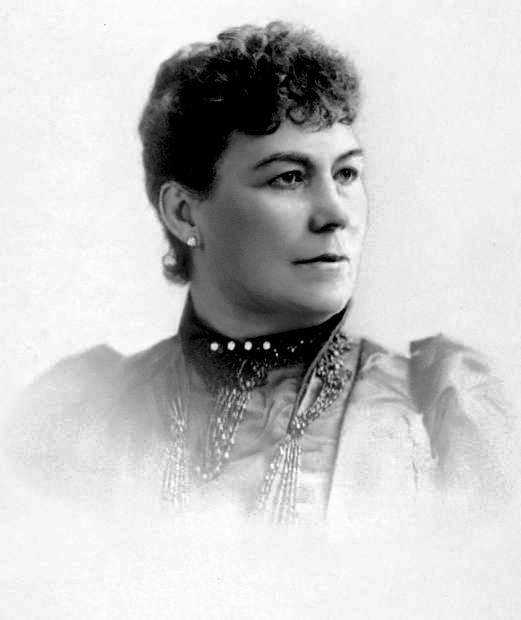
Here's a footnote to the story: After Kidder helped launch the lodge, he died from diabetes complications. Before his passing, he signed over three‐quarters of the railroad's stock to his wife, Sarah Kidder. By 1884, he had become the railroad's president and a multimillionaire. She was voted in as the president of the railroad, the first female of a railroad ever. Her 12 years as president were called the "Golden Years." During this time, the railroad earned its highest profits. She sold out in 1913 and retired to San Francisco. Their mansion, which sat next to the Grass Valley train station, hosted governors, senators, and one frequent visitor, Mark Twain. Before her husband's death, she was the town's top socialite, likely the richest woman. After he passed away, she uncovered her talent for business. After she left town, the house fell into disrepair. In 1940, a tank car full of asphalt caught fire at the depot, and extensively damaged the train and the nearby mansion. The railroad had stopped carrying passengers the year before. Today, only parts of the building's foundation and a retaining wall on Bennett Street remain. They named that street after the last superintendent of the nearby Empire Mine.
Gold mining affected the building of the railroad main line through Colfax in the 1860s. The Southern Pacific mainline started as the Central Pacific Railroad. Construction of the transcontinental rail line across the Sierra Nevada began in 1866. However, the pay for railroad jobs wasn't high enough to attract workers from the mines. The problem the railroad had was the opposite. Many railroad workers fled north to Grass Valley as the railroad worked its way through Colfax. Chinese laborers largely took up the slack to get the railroad over the rest of the Sierra. The railroad was finished in 1869. This changed the Sierra Nevada's culture and economy. It shifted from a lonely frontier with independent miners to farming communities. Families began to diversify their economy and had access to outside markets.
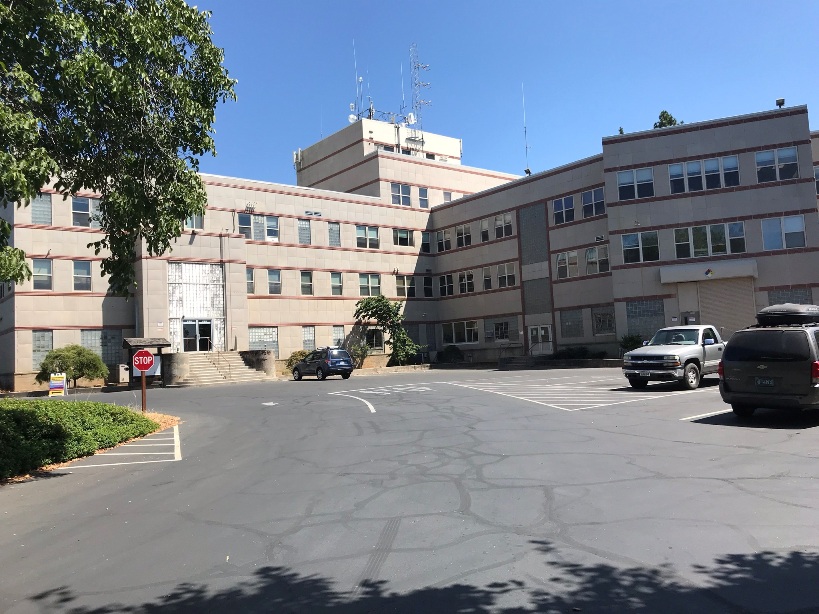
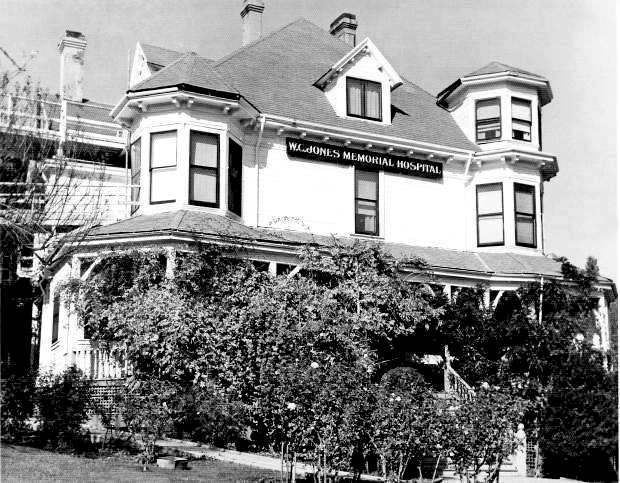
MacBoyle's biggest lasting impact in the area was a hospital that was never finished. Errol MacBoyle and his friend, Doctor Carl Power Jones, had an idea. They wanted to build a new hospital for Grass Valley. They formed the Grass Valley Memorial Hospital Corp. The area was in dire need of a more modern hospital. At that time, there was the Jones Hospital. It was really just a big house, which is now a bed and breakfast. There was also the Nevada County General Hospital, built in 1860. It grew slowly over the years. A problem was that it was at the extreme east end of Nevada City with most of the population all west of it. The two men wanted to build a modern one more in the center of the two towns, not far from where the current hospital for the area is located.
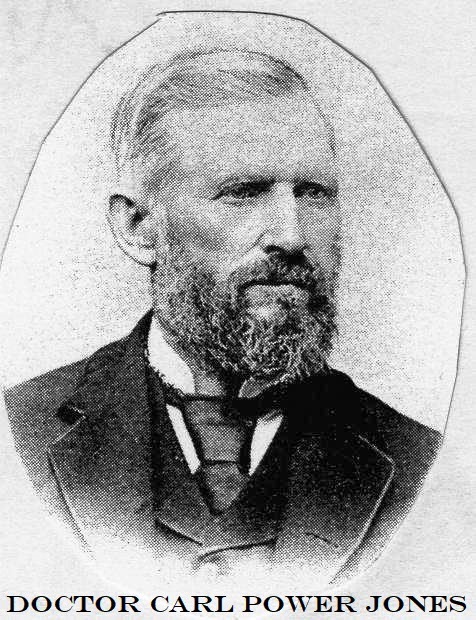
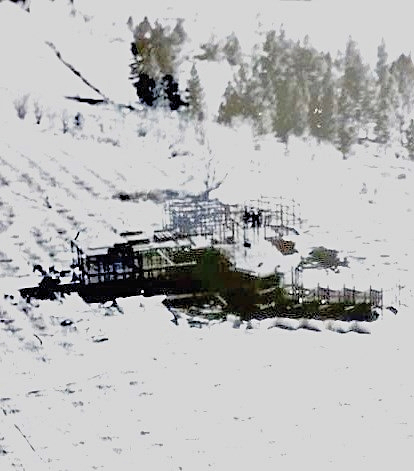
In 1936, MacBoyle either gave or likely loaned 500 shares of stock from his mine to the Hospital Association. The hospital's construction would be funded by the dividends that the stock generated.
Local lore says Errol MacBoyle and Doctor Jones played cards and planned the new Grass Valley Hospital in the gazebo across from his fountain. Neither Doctor Jones nor Errol MacBoyle would live to see their dream completed.
World War II not only stopped the mines, but it also stopped the construction of the hospital. How? Besides growing shortages of building materials, the show‐stopper was that the mine ceased operation. The collateral damage was not only that the value of the stock decreased; a non‐operating mine will throw off no profits, as now there were only loses.
While the outer shell was completed, the interior was not completed for another 15 years. The current hospital, not too far from the MacBoyle's would be one, opened in December 1958.
Things got darker. On October 23, 1943, Errol MacBoyle had a stroke. This left him unable to care for himself and needing constant medical support. Now, his wife spent some time in the area to help look after him.
From local accounts at the time, it appeared that MacBoyle's medical situation concerned the Hospital Association as to whether they would ever see a return on their partially built facility. MacBoyle spent a lot of time at his lake gazebo in his final years.
Errol MacBoyle died on November 4, 1949, at his home in Loma Rica. He was buried in Grass Valley at New Elm Ridge Cemetery. The MacBoyles were childless. After Errol MacBoyle's death, his wife, Gwendolyn, remarried but was interred next to Errol when she died in 1962. MacBoyle's last known next of kin, a cousin, died in Laguna Beach, California, in the 80s.
The Hospital Association finally got that return on its investment. In 1953 Charles Litton acquired the unfinished building. It got $200,000 from the sale. The association agreed to donate the same amount to build a new hospital from scratch. But this was only if the community could raise a matching sum. The local community raised over $300,000. The Idaho‐Maryland mine also donated 10 acres for the new hospital site. This led to the creation of Sierra Nevada Memorial Hospital.
Why was the old building not completed? It was deemed too out of compliance with the rules and standards it was designed to meet 20 years earlier.
Which the exception of a short dead‐end street a little south of where his ranch was, little in the area bears his name today. The 452‐acre ranch sold for $7 million in 2002. Currently the part of the ranch west of Brunswick Road, are undergoing development, although the stables on the other side of the road appear safe.
Even though, his legacy lives on, not through his name, but through an airport, and more importantly as we will see, through his failed hospital.
In researching this, I wondered why Bourn seems to be so much better known than MacBoyle. Both were good business leaders. Both gave back to their chosen communities. Thankfully, MacBoyle chose the Grass Valley area.
Could it be timing? Bourn was on the scene from the late 19th to early 20th century. MacBoyle was active from the 1920s to the 1940s, encasing the Great Depression & WWII.
Bourn industrialized the Empire Mine, and MacBoyle revived and expanded mining operations during times of economic hardship.
Bourn built his castle at Filoli. He was a patron of the arts and ran in elite circles. He was more refined. MacBoyle had a populist image, seen as a "man of the people" among miners.
Bourn's community impact was indirect. His mining helped build local infrastructure and banking. While MacBoyles was direct with jobs, wages, supporting the locals during the Depression.
Looking at the set of attributes of both, my vote for keys to the city would be MacBoyle, hands down.
So why is Bourn's mine a state park, and there is no park, statue, or just a sign that says "MacBoyle was here!" In 2017, the Nevada County Historical Landmarks Commission did discuss placing a plaque at the airport to recognize Errol MacBoyle.
Now the Empire Mine State Park's creation might have been just good luck on the part of Bourn's legacy. The mine is associated with California's Gold Rush era, a period that many romanticized. The Empire Mine property still has intact headframes, mine buildings, offices, and gardens. These make it physically presentable as a public historic site.
The Idaho‐Maryland mine had barely any top structures remaining. It definitely didn't look like a park. The only remaining structure I know of is the imposing ventilation tower by Bennett and Brunswick roads.
Further, the Empire Mine owners cooperated with the state when the state wanted to start preserving historical mining sites in the 70s. At that time there wasn't much left to preserve at the Idaho‐Maryland, and nobody to cooperate with.
Idaho‐Maryland Mine peaked later, during the 1920s‐1940s, and especially during the Great Depression. It wasn't associated with the romantic Gold Rush image, but rather with industrial‐scale, gritty mining. MacBoyle's contributions, though huge, were pragmatic rather than picturesque or elite.
Finally, the Idaho‐Maryland Mine became part of various private ownerships, including recent efforts to reopen the mine, which have drawn public opposition. I think its status as a site of environmental debate and potential reindustrialization makes it harder to position as a neutral historic landmark.
This has politicized the mine's legacy rather than uniting the community around its preservation.
But there is an airport and a building that has had a major impact on the area's direction. Pretty good monuments I think. Not a bad legacy!
Next, let's see what that wannabe hospital has wrought.